quitarte
“quitarte” means “to take off (clothing)” in Spanish. It has 2 different meanings depending on context:

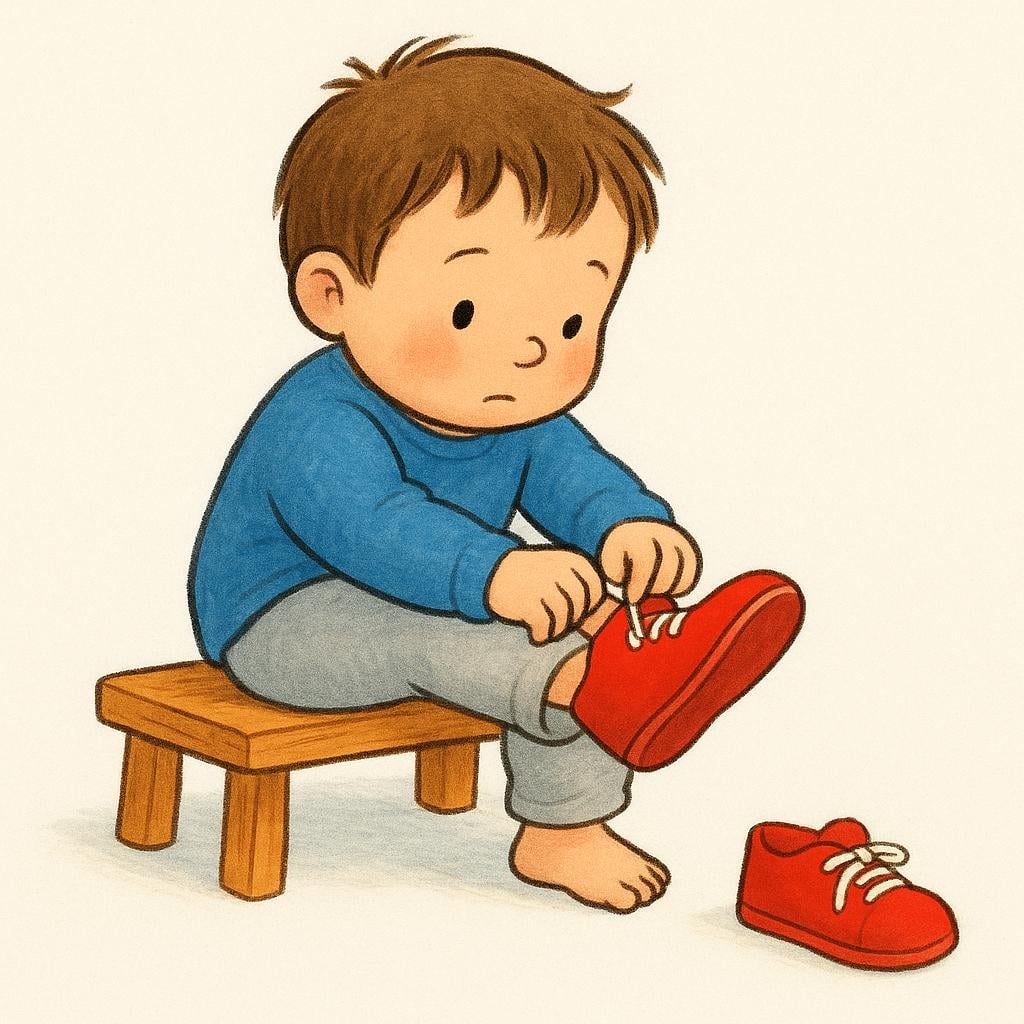
to take off (clothing)Also: to remove yourself
📝 In Action
Necesitas quitarte el casco antes de subir al coche.
A1You need to take off your helmet before getting into the car.
¿Vas a quitarte los guantes? Hace calor aquí.
A1Are you going to take your gloves off? It's hot in here.
Word Connections
to move out of the wayAlso: to get rid of (a habit)
📝 In Action
Tienes que quitarte para que pueda pasar el coche.
A2You have to move out of the way so the car can pass.
Deberías quitarte esa mala costumbre de fumar.
B1You should get rid of that bad habit of smoking.
Word Connections
Indicative
Present
Preterite
Imperfect
Subjunctive
Present Subjunctive
Imperfect Subjunctive
✏️ Quick Practice
Quick Quiz: quitarte
Question 1 of 1
Which sentence correctly uses 'quitarte' to mean 'to move out of the way'?
📚 More Resources
👥 Word Family
🎵 Rhymes
📚 Etymology
The verb 'quitar' comes from the Latin *quietare*, meaning 'to calm' or 'to put to rest.' Over time, its meaning shifted from 'to lay something down' to 'to take something away' or 'to remove it.' The 'te' is the simple addition of the informal pronoun 'you.'
First recorded: 13th century (as 'quitar')
Cognates (Related words)
💡 Master Spanish
Take your Spanish to the next level. Read 200+ illustrated and narrated Spanish stories tailored to your level with the Inklingo app!
Frequently Asked Questions
Is 'quitarte' the same as 'te vas a quitar'?
Yes, they mean the same thing! 'Quitarte' (infinitive + pronoun) is used when following a conjugated verb (like 'vas a' or 'tienes que'). 'Te vas a quitar' separates the pronoun and places it before the conjugated verb. Both are perfectly correct.
What is the difference between 'quitar' and 'quitarse'?
'Quitar' means to remove something from someone else ('Quito la mesa' - I clear the table). 'Quitarse' means to remove something from yourself, making it reflexive ('Me quito la chaqueta' - I take off my jacket).