reconciliación
“reconciliación” means “reconciliation” in Spanish. It has 2 different meanings depending on context:

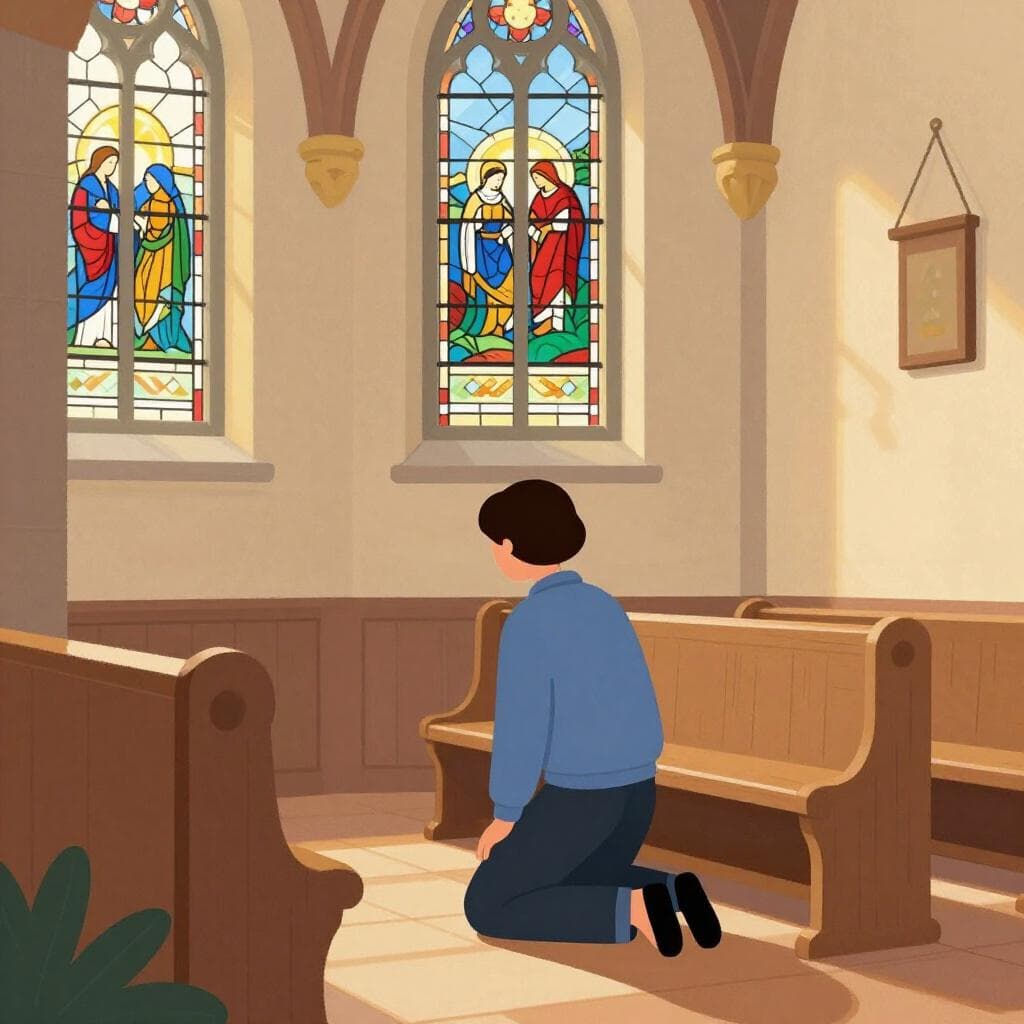
reconciliationAlso: peace-making, rapprochement

📝 In Action
Después de la pelea, buscaron la reconciliación.
A2After the fight, they sought reconciliation.
El país necesita un proceso de reconciliación nacional.
B2The country needs a process of national reconciliation.
La reconciliación con su pasado fue un paso difícil para ella.
C1Reconciling with her past was a difficult step for her.
Word Connections
confessionAlso: penance
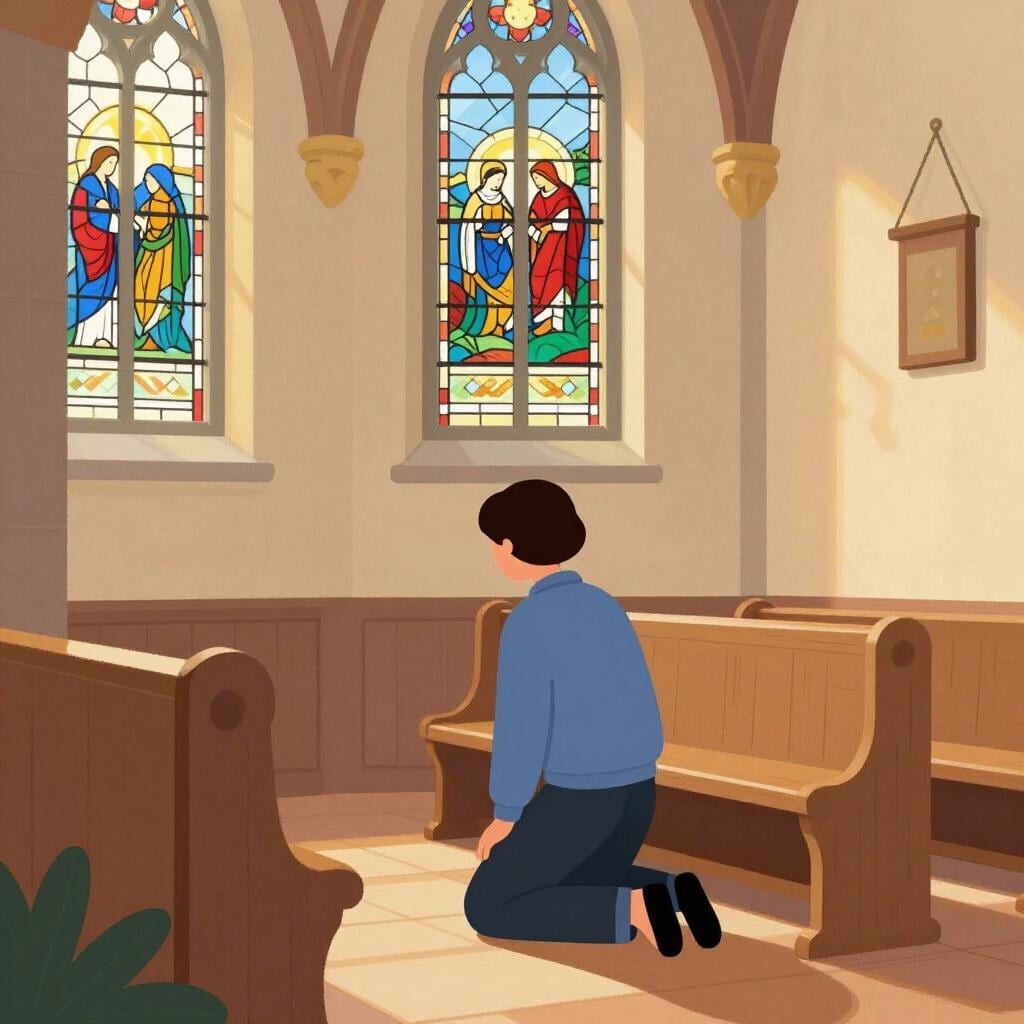
📝 In Action
El niño se prepara para el sacramento de la reconciliación.
B2The boy is preparing for the sacrament of reconciliation (confession).
Word Connections
Translate to Spanish
Words that translate to "reconciliación" in Spanish:
✏️ Quick Practice
Quick Quiz: reconciliación
Question 1 of 3
Which of the following is the correct spelling?
📚 More Resources
👥 Word Family
🎵 Rhymes
📚 Etymology
From the Latin 'reconciliatio', which means 'to bring back together' or 'to regain'. It combines 're-' (again) and 'conciliare' (to assemble or unite).
First recorded: 13th century
Cognates (Related words)
💡 Master Spanish
Take your Spanish to the next level. Read 200+ illustrated and narrated Spanish stories tailored to your level with the Inklingo app!
Frequently Asked Questions
Is 'reconciliación' used for small arguments too?
Yes, it can be used for everything from a small fight between friends to a peace treaty between warring nations.
How do I say 'to reconcile'?
The verb is 'reconciliar'. To say 'to get back together' or 'to make up' for people, we often use the reflexive form: 'reconciliarse'.
Does it always have an accent mark?
Yes, in its singular form 'reconciliación', it always has an accent. However, if you make it plural ('reconciliaciones'), the accent is removed.