reduce
“reduce” means “reduces” in Spanish. It has 2 different meanings depending on context:
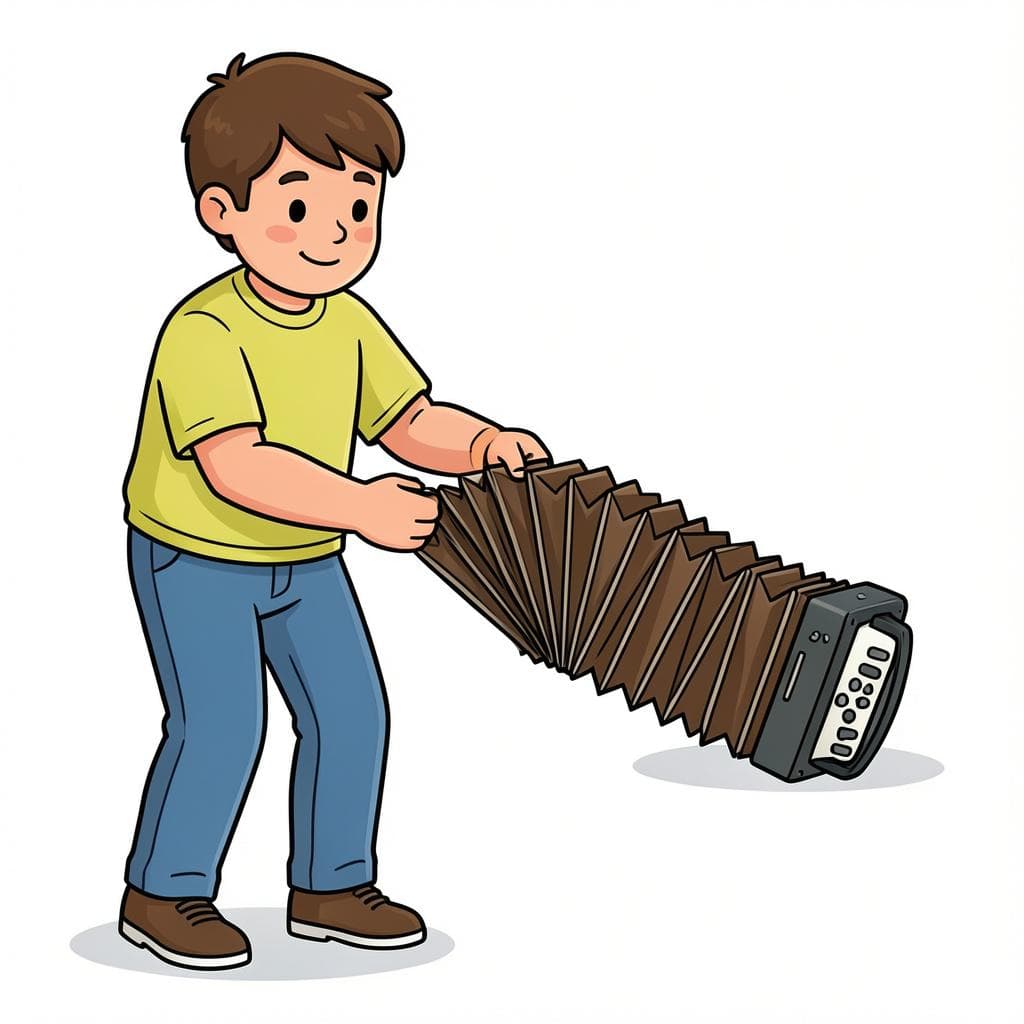

reduces, reduce!
Also: cut down, lower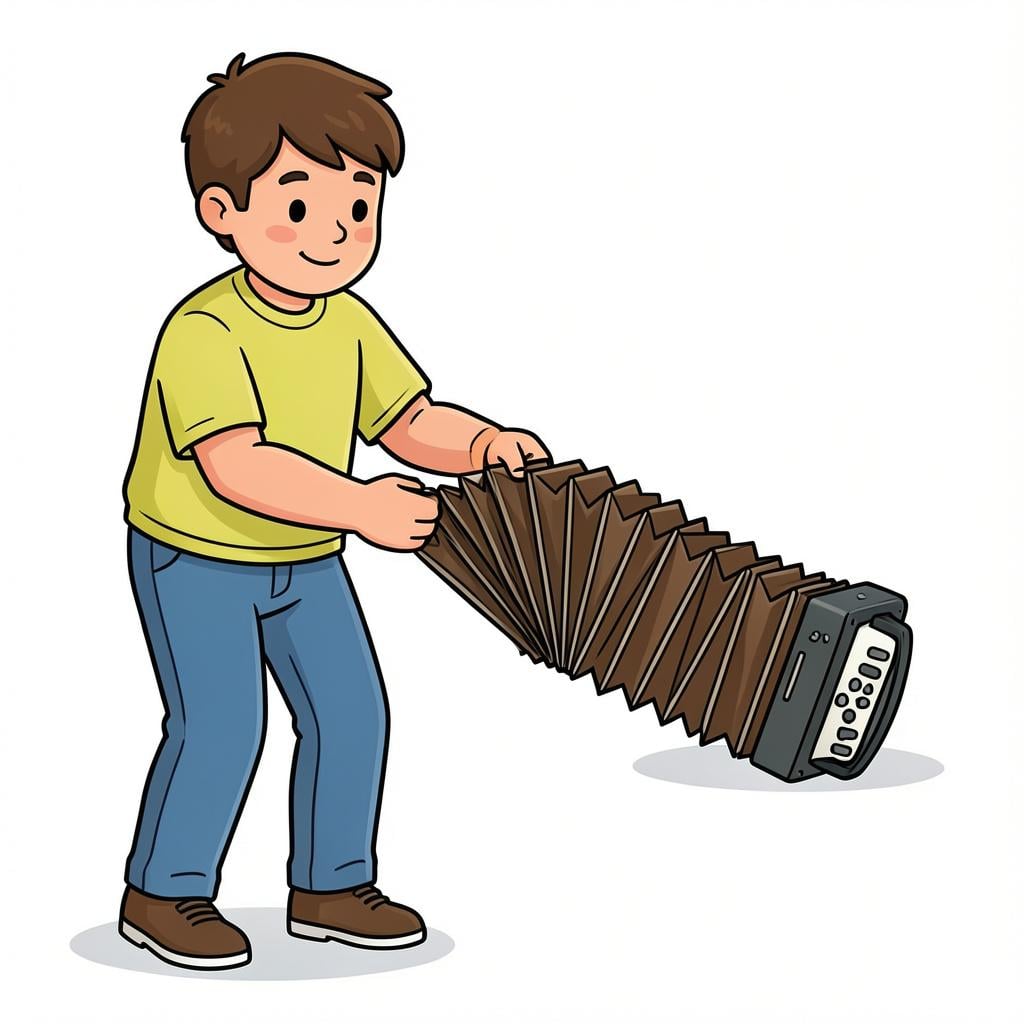
📝 In Action
El ejercicio reduce el riesgo de enfermedades.
A2Exercise reduces the risk of diseases.
¡Reduce la velocidad, vas muy rápido!
A1Slow down, you're going too fast!
Esta máquina reduce el tamaño del papel.
A2This machine reduces the size of the paper.
reduce / boil down

📝 In Action
La salsa se reduce a fuego lento.
B1The sauce reduces over low heat.
Subjunctive
Imperfect Subjunctive
Present Subjunctive
Indicative
Preterite
Imperfect
Present
✏️ Quick Practice
Quick Quiz: reduce
Question 1 of 2
How would you tell a friend to 'Reduce the speed' in Spanish?
📚 More Resources
👥 Word Family▼
📚 Etymology▼
From the Latin 'reducere', which literally means 'to lead back'. Over time, it came to mean bringing something down to a smaller size or simpler state.
First recorded: 13th century
Cognates (Related words)
💡 Master Spanish
Take your Spanish to the next level. Read 200+ illustrated and narrated Spanish stories tailored to your level with the Inklingo app!
Frequently Asked Questions
Is 'reduce' a command or a statement?
It's both! Context is key. If you see it in a sentence like 'Él reduce...', it's a statement (He reduces). If someone shouts '¡Reduce!', it's a command (Reduce!).
Why does the past tense change so much?
Spanish verbs that end in '-ducir' have a special history. In the past, they always swap the 'c' for a 'j', so 'reduce' becomes 'redujo'.