región
“región” means “region” in Spanish (geographical or political area).
region, area
Also: territory, zone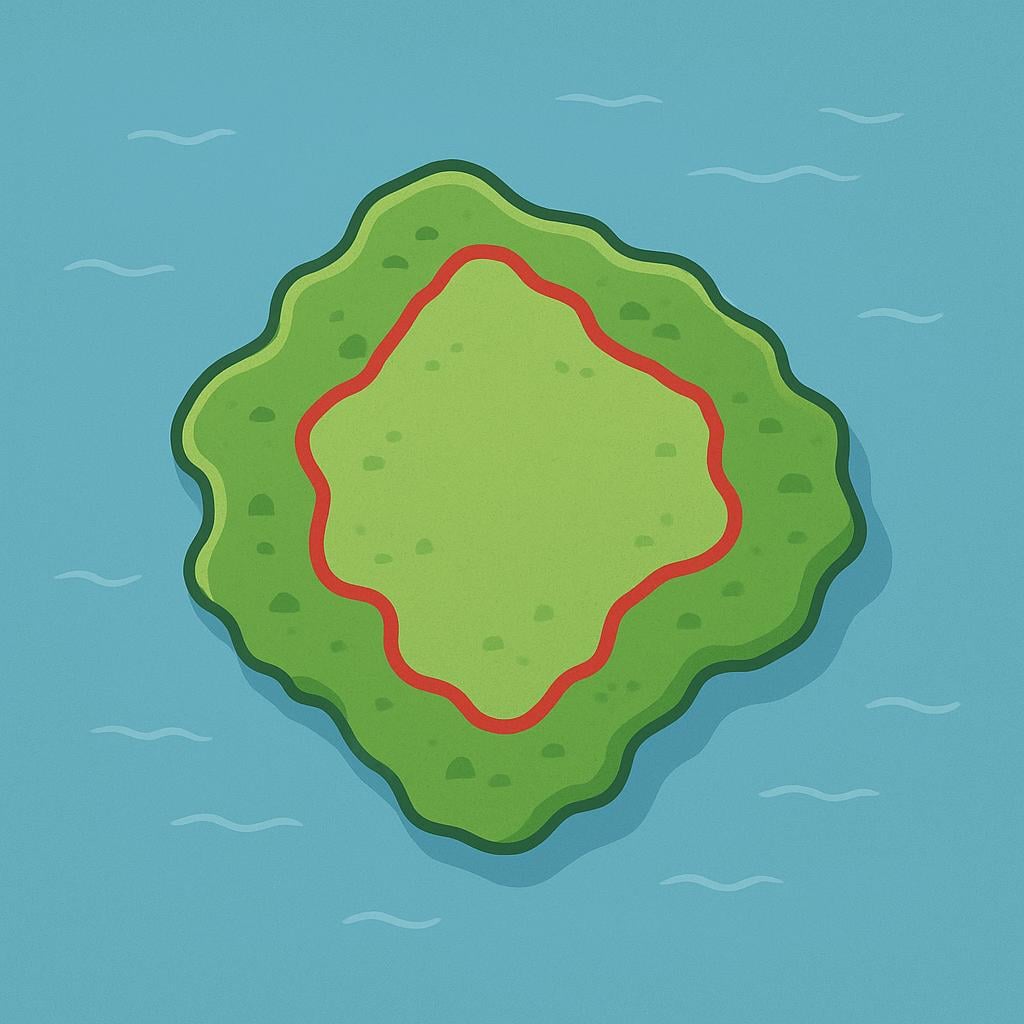
📝 In Action
Esta es la región más seca del país, casi nunca llueve.
A1This is the driest region of the country; it almost never rains.
El gobierno anunció nuevas políticas para la región sur.
A2The government announced new policies for the southern region.
Sentí una molestia en la región lumbar después de levantar la caja.
B1I felt a discomfort in the lumbar area after lifting the box.
Vocabulary Collections
✏️ Quick Practice
Quick Quiz: región
Question 1 of 1
Which sentence correctly uses the word 'región'?
📚 More Resources
👥 Word Family▼
🎵 Rhymes▼
📚 Etymology▼
The word comes directly from the Latin word *regio*, which meant 'direction, line, or boundary,' and eventually came to mean 'territory' or 'district.'
First recorded: 13th century
Cognates (Related words)
💡 Master Spanish
Take your Spanish to the next level. Read 200+ illustrated and narrated Spanish stories tailored to your level with the Inklingo app!
Frequently Asked Questions
Is 'región' only used for large geographic areas?
No. While it most commonly refers to large political or geographical territories (like 'the Andean region'), it can also describe smaller, specific areas of the body or a smaller zone in a city, similar to how English uses 'area' (e.g., 'the chest region').
How is 'región' different from 'país' (country)?
'País' refers to an independent, sovereign nation. 'Región' refers to a section of land defined by shared characteristics (climate, culture, administration), which may be a part of one country or spread across several.