residencial
“residencial” means “residential” in Spanish. It has 2 different meanings depending on context:

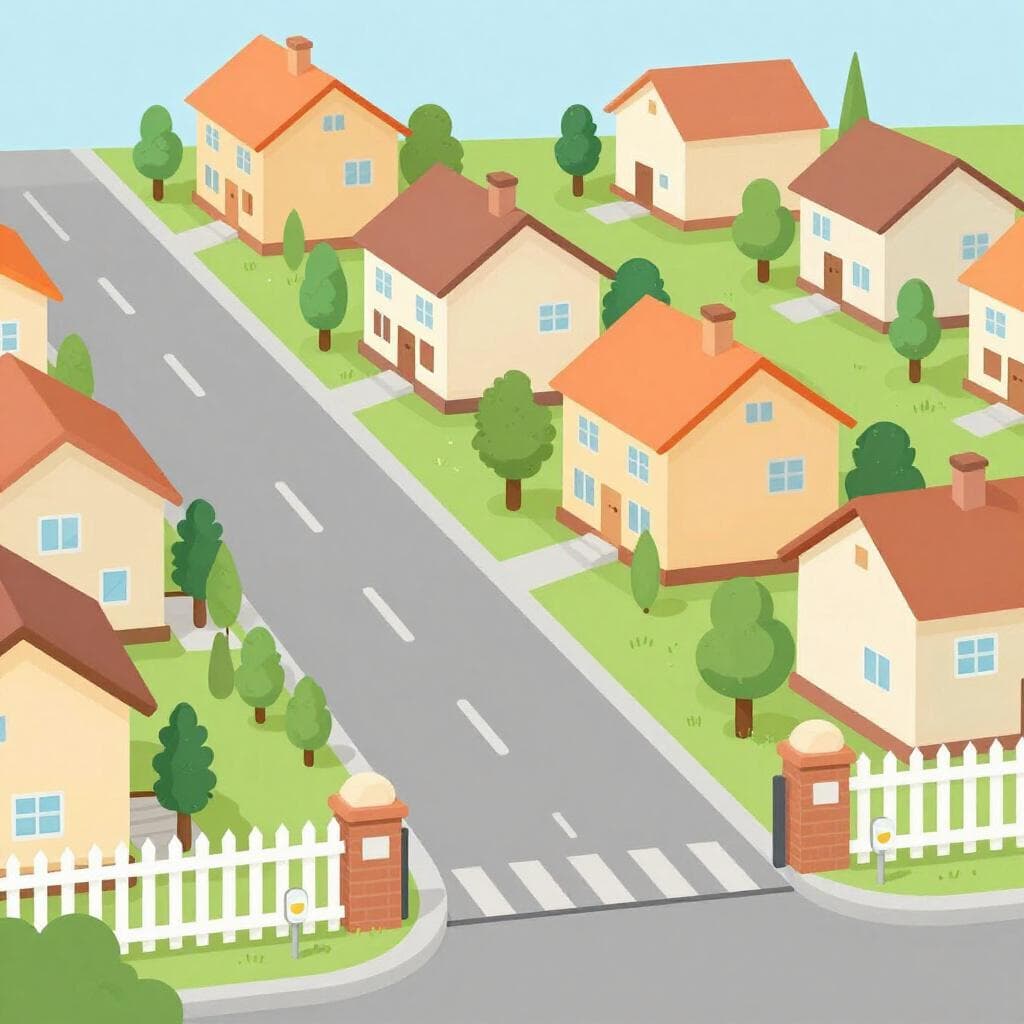
residential
Also: housing-related
📝 In Action
Vivo en una zona residencial muy tranquila.
A1I live in a very quiet residential area.
Este edificio tiene un uso puramente residencial.
B1This building is for residential use only.
El barrio residencial está lejos del centro industrial.
A2The residential neighborhood is far from the industrial center.
housing development
Also: residential complex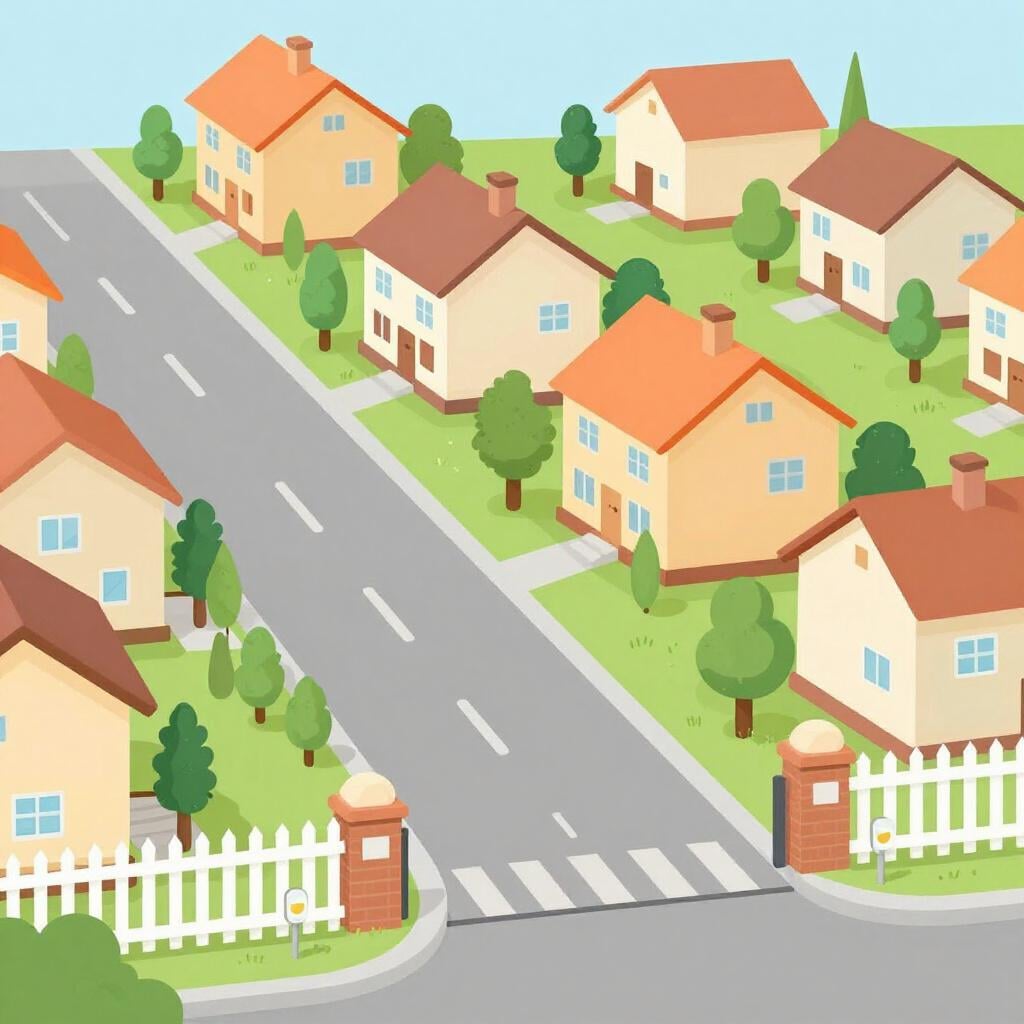
📝 In Action
La residencial tiene seguridad las veinticuatro horas.
B1The housing development has 24-hour security.
Mi primo se mudó a una residencial nueva en las afueras.
B1My cousin moved to a new housing complex on the outskirts.
¿Cómo se llama la residencial donde vives?
A2What is the name of the housing development where you live?
Translate to Spanish
Words that translate to "residencial" in Spanish:
housing development→housing-related→residential→residential complex→✏️ Quick Practice
Quick Quiz: residencial
Question 1 of 3
Which of these is the correct way to say 'a residential street'?
📚 More Resources
👥 Word Family▼
🎵 Rhymes▼
📚 Etymology▼
From the Latin 'residere', which means 'to sit down' or 'to remain behind'. This eventually turned into 'residing' in a place.
First recorded: 17th century
Cognates (Related words)
💡 Master Spanish
Take your Spanish to the next level. Read 200+ illustrated and narrated Spanish stories tailored to your level with the Inklingo app!
Frequently Asked Questions
Does 'residencial' change if the noun is plural?
Yes! While it doesn't change for gender, it does change for number. One house is 'residencial', but two houses are 'residenciales'.
What is the difference between 'residencial' and 'vivienda'?
'Residencial' is an adjective describing an area, while 'vivienda' is a noun that literally means 'a dwelling' or 'a piece of housing'.
Can I use 'residencial' for a person who lives somewhere?
No. For a person, you use the word 'residente'.