retrato
“retrato” means “portrait” in Spanish. It has 2 different meanings depending on context:


portraitAlso: likeness, picture
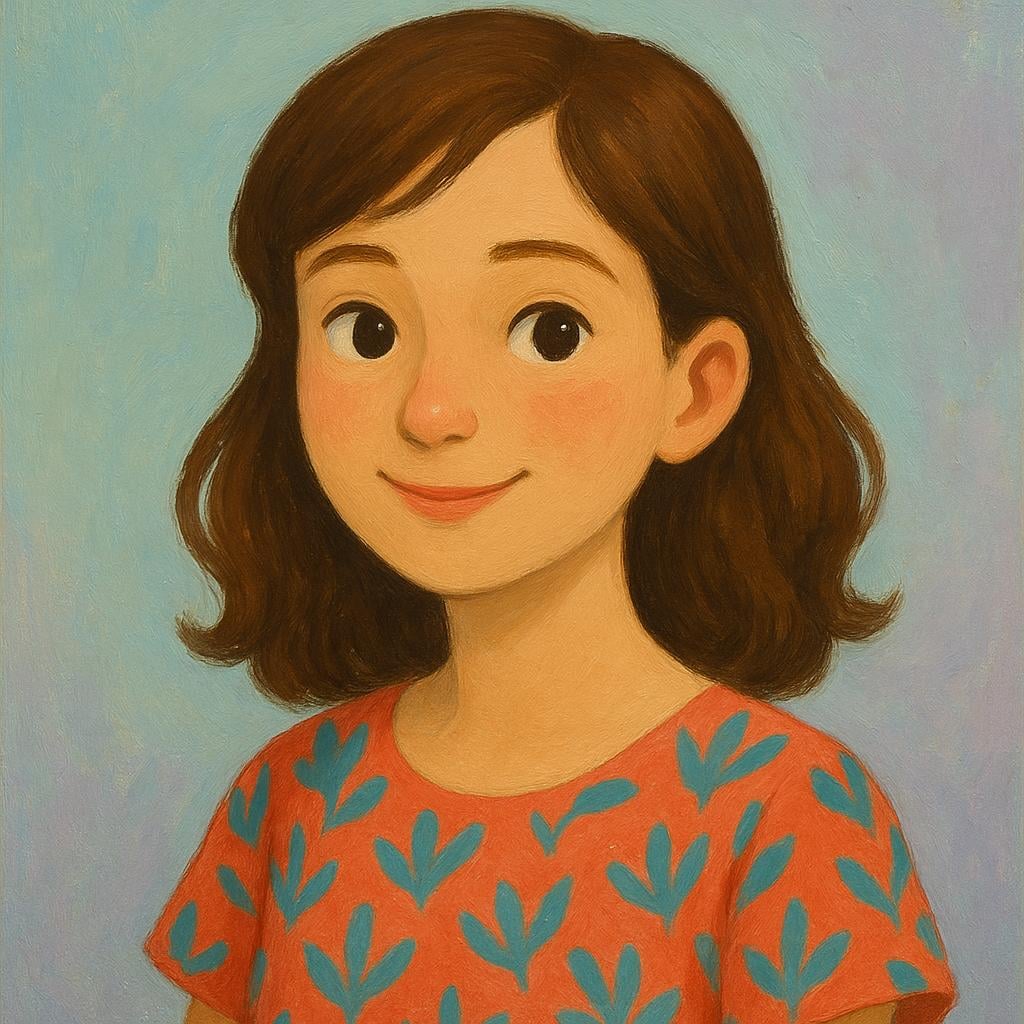
📝 In Action
Mi abuela tiene un retrato antiguo de su padre en la sala.
A2My grandmother has an old portrait of her father in the living room.
El fotógrafo hizo un retrato en blanco y negro muy dramático.
B1The photographer took a very dramatic black and white portrait.
Word Connections
portrayalAlso: profile, snapshot

📝 In Action
La película es un retrato honesto de la juventud de los años noventa.
B2The film is an honest portrayal of youth in the nineties.
El biógrafo ofreció un retrato psicológico muy profundo del artista.
C1The biographer offered a very deep psychological profile of the artist.
Word Connections
Translate to Spanish
✏️ Quick Practice
Quick Quiz: retrato
Question 1 of 1
Which sentence uses 'retrato' in its figurative, descriptive sense?
📚 More Resources
👥 Word Family
📚 Etymology
The word comes from the verb 'retratar,' which traces back to the Latin *retractare*, meaning 'to redraw' or 'to retrace.' This captures the idea of carefully drawing out the features of a person to capture their likeness.
First recorded: 15th century
Cognates (Related words)
💡 Master Spanish
Take your Spanish to the next level. Read 200+ illustrated and narrated Spanish stories tailored to your level with the Inklingo app!
Frequently Asked Questions
What is the difference between 'retrato' and 'cuadro'?
'Retrato' specifically means a picture (painting or photo) of a person. 'Cuadro' is a much more general term for 'painting' or 'picture' and can refer to landscapes, abstract art, or anything else framed on a wall.