How to Say "picture" in Spanish
The most common Spanish word for “picture” is “foto” — use 'foto' for a photograph or snapshot taken with a camera, especially in informal contexts.

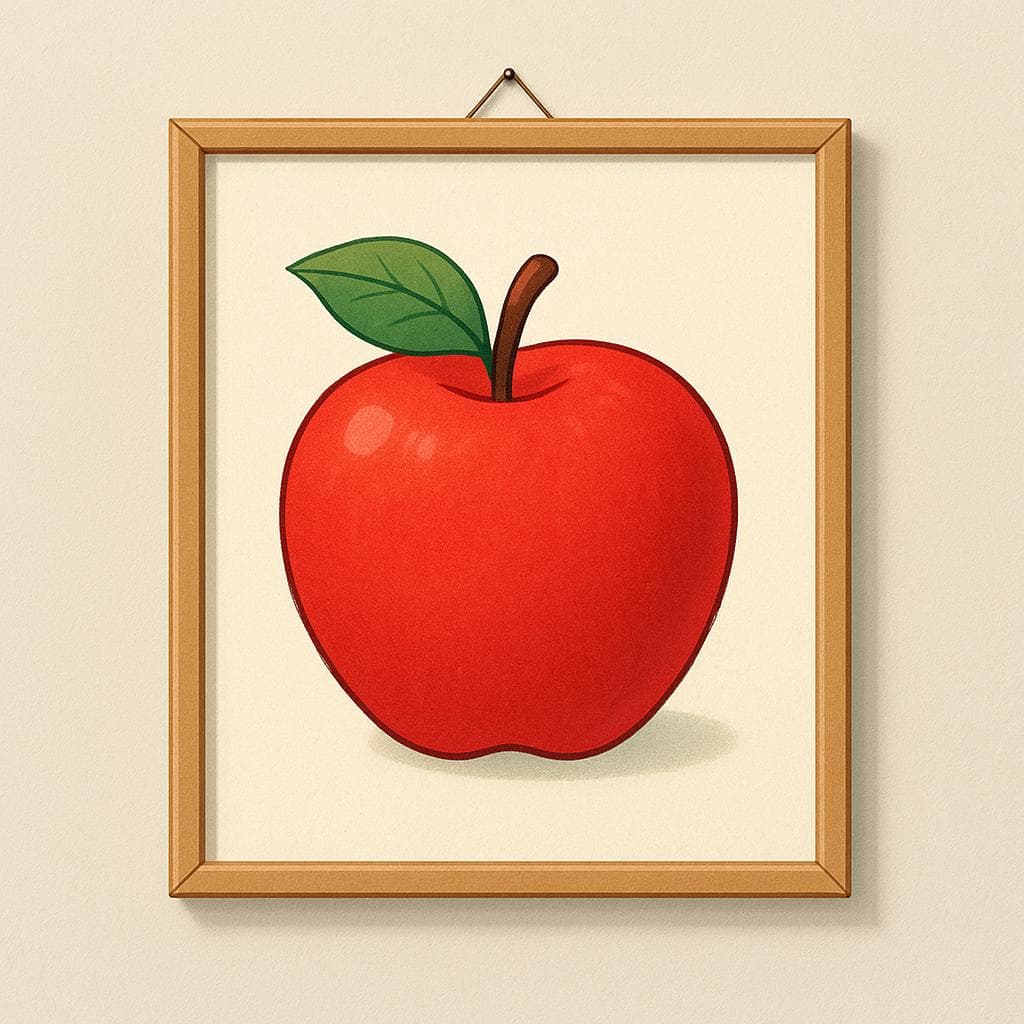

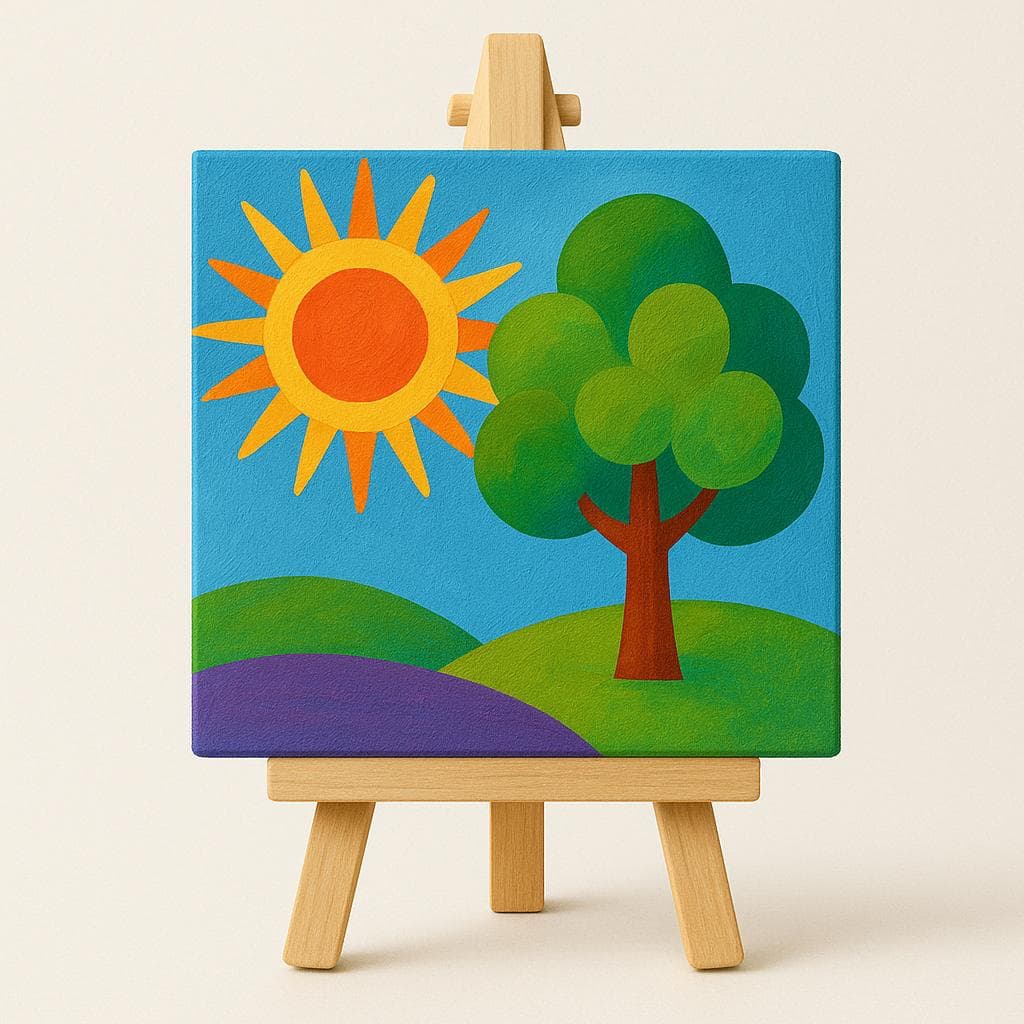
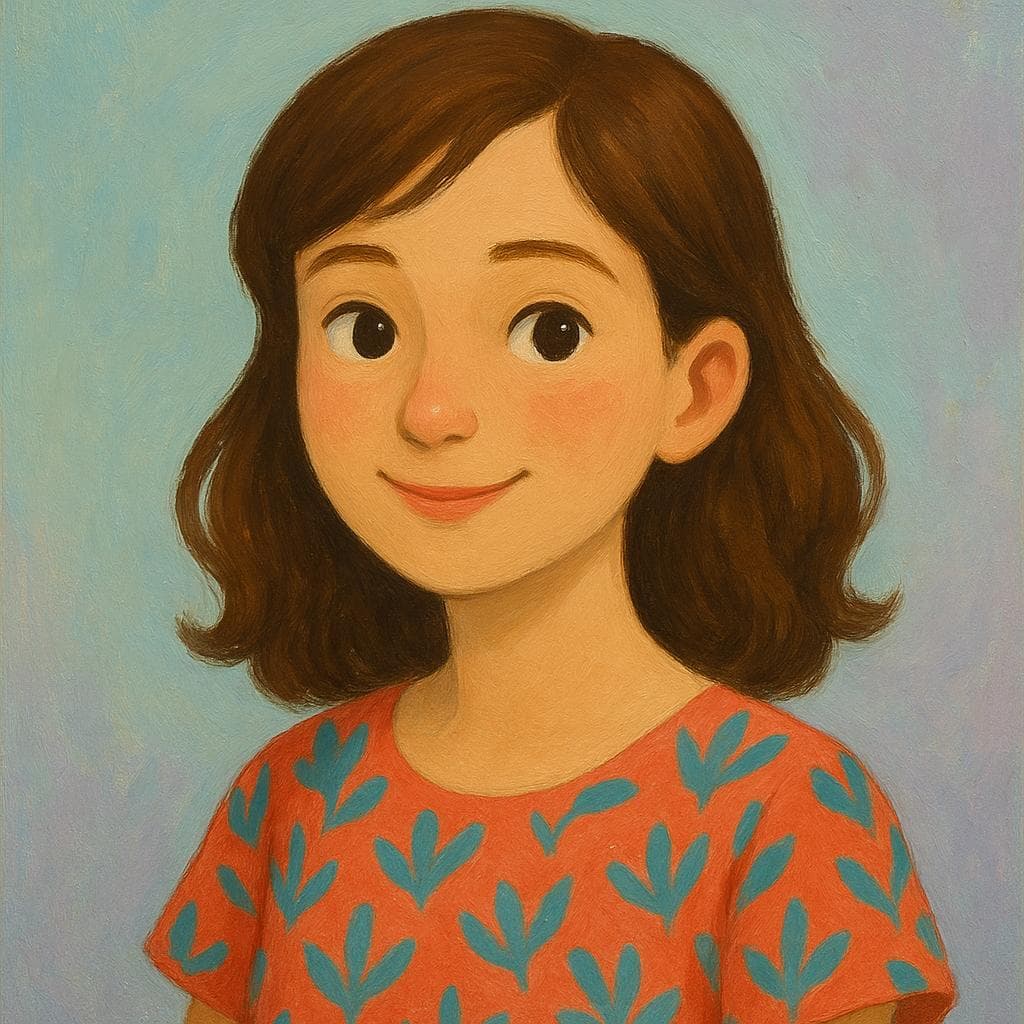
foto
foh-tohˈfo.to

Examples
Tengo una foto de mis vacaciones en la playa.
I have a picture of my vacation on the beach.
¡Sonríe para la foto!
Smile for the picture!
¿Me puedes sacar una foto con la estatua?
Can you take a photo of me with the statue?
He subido una nueva foto de perfil a mis redes sociales.
I've uploaded a new profile picture to my social media.
A Tricky Gender
Even though 'foto' ends in an '-o', it's a feminine word. This means you always say 'la foto' (the photo) and 'una foto' (a photo).
Using the Wrong Gender
Mistake: “Me gusta mucho el foto que tomaste.”
Correction: Me gusta mucho **la** foto que tomaste. Remember, 'foto' is short for 'fotografía', which is feminine, so 'foto' keeps that gender.
imagen
ee-MAH-heniˈma.xen
Examples
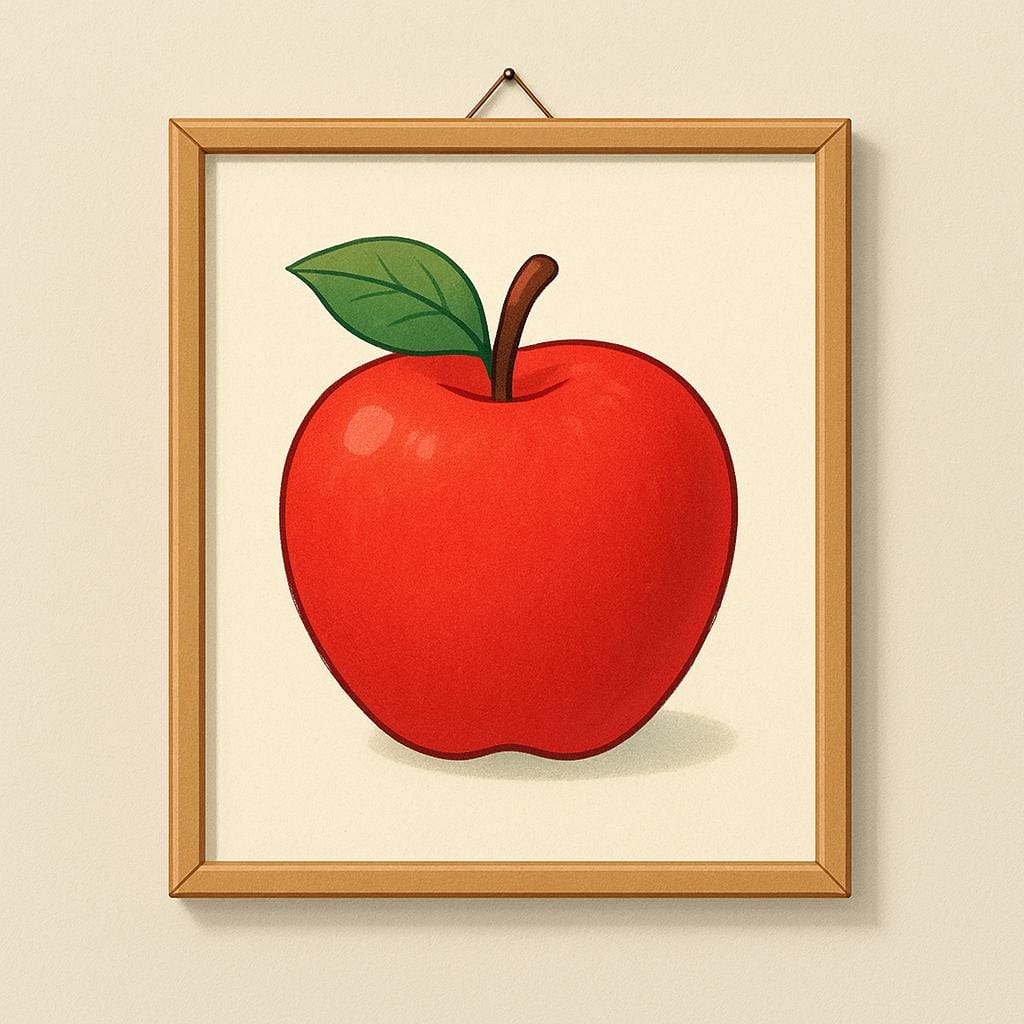
Me gusta esta imagen de un paisaje natural.
I like this picture of a natural landscape.
Me encanta la imagen que tomaste de la puesta de sol.
I love the picture you took of the sunset.
La televisión tiene una imagen muy clara y nítida.
The television has a very clear and sharp picture.
En la iglesia había una imagen antigua de la virgen.
In the church there was an old statue of the virgin.
Feminine Noun Trick
Even though 'imagen' ends in '-en' and doesn't end in '-a', it is a feminine noun. Remember to use 'la' or 'una': la imagen.
Confusing Gender
Mistake: “El imagen es bonita.”
Correction: La imagen es bonita. (It's a tricky one, but nouns ending in -gen like *imagen* are usually feminine.)
fotografía
Examples
La fotografía ganó un premio.
The photograph won an award.
cuadro
KWAA-drohˈkwaðɾo

Examples
El museo exhibe un cuadro famoso.
The museum exhibits a famous painting.
Compramos un cuadro muy bonito para la sala.
We bought a very beautiful painting for the living room.
El museo tiene un cuadro famoso de Goya.
The museum has a famous painting by Goya.
Gender Check
Remember that 'cuadro' is always masculine, even though it ends in '-o'. You must use 'el cuadro' or 'un cuadro'.
pintura
peen-TOO-rahpinˈtuɾa
Examples
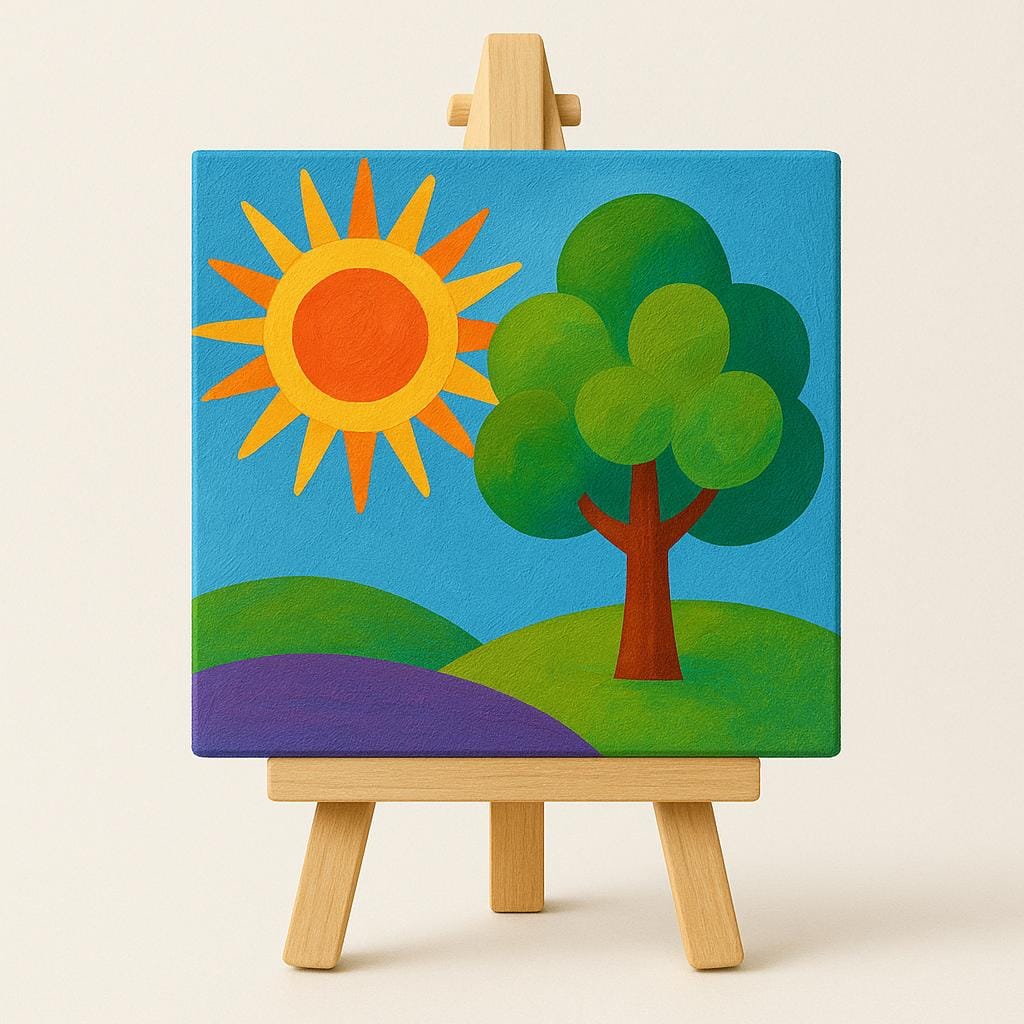
Esa pintura al óleo es muy realista.
That oil painting is very realistic.
Fuimos al museo a ver la nueva colección de pinturas.
We went to the museum to see the new collection of paintings.
Esta pintura abstracta es mi favorita.
This abstract painting is my favorite.
Artwork vs. Frame
While 'pintura' refers to the artwork itself, 'cuadro' often implies the artwork plus the frame, or a general framed picture.
film
feelmfil(m)

Examples
¿Vamos al cine a ver un film nuevo?
Are we going to the cinema to see a new movie?
¿Qué film vamos a ver esta noche?
What movie are we going to watch tonight?
El director presentó su nuevo film en el festival.
The director presented his new film at the festival.
Es un film de terror muy bien hecho.
It's a very well-made horror movie.
Always Masculine
Remember that 'film' is always a masculine noun, so you use 'el film' or 'un film,' even though 'película' (the common synonym) is feminine.
Mixing Gender
Mistake: “La film fue buena.”
Correction: El film fue bueno. (The word is masculine, so the article 'el' and the adjective 'bueno' must match.)
retrato
reh-TRAH-tohreˈtɾato
Examples
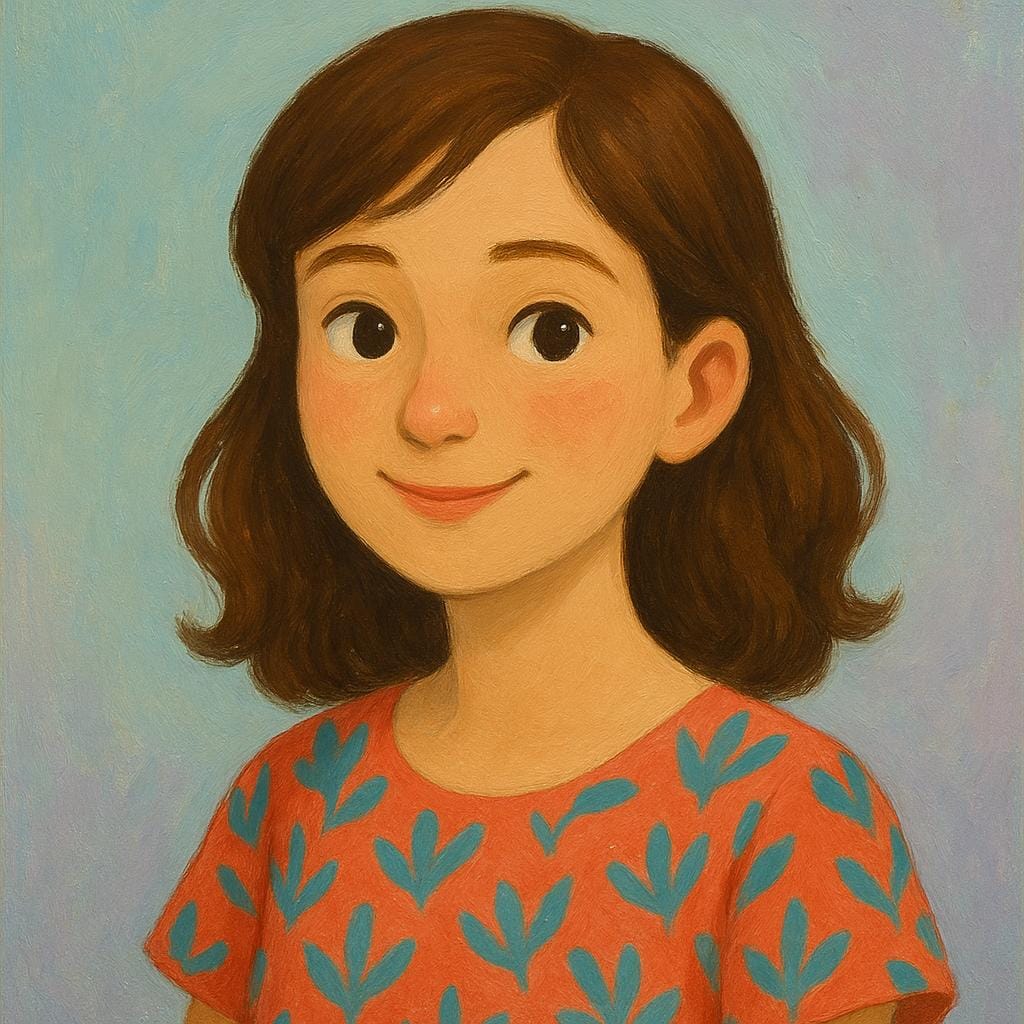
El artista pintó un retrato de la reina.
The artist painted a portrait of the queen.
Mi abuela tiene un retrato antiguo de su padre en la sala.
My grandmother has an old portrait of her father in the living room.
El fotógrafo hizo un retrato en blanco y negro muy dramático.
The photographer took a very dramatic black and white portrait.
Gender Check
Remember that 'retrato' is masculine, so you must use 'el' or 'un' before it: 'el retrato'.
Confusing 'Retrato' and 'Pintura'
Mistake: “Using 'pintura' when you specifically mean a picture of a person's face.”
Correction: Use 'retrato' for the image of a person; 'pintura' is the general word for 'painting' (e.g., a landscape).
Artwork vs. Photograph Confusion
Related Translations
Learn Spanish with Inklingo
Interactive stories, personalized learning, and more.