rienda
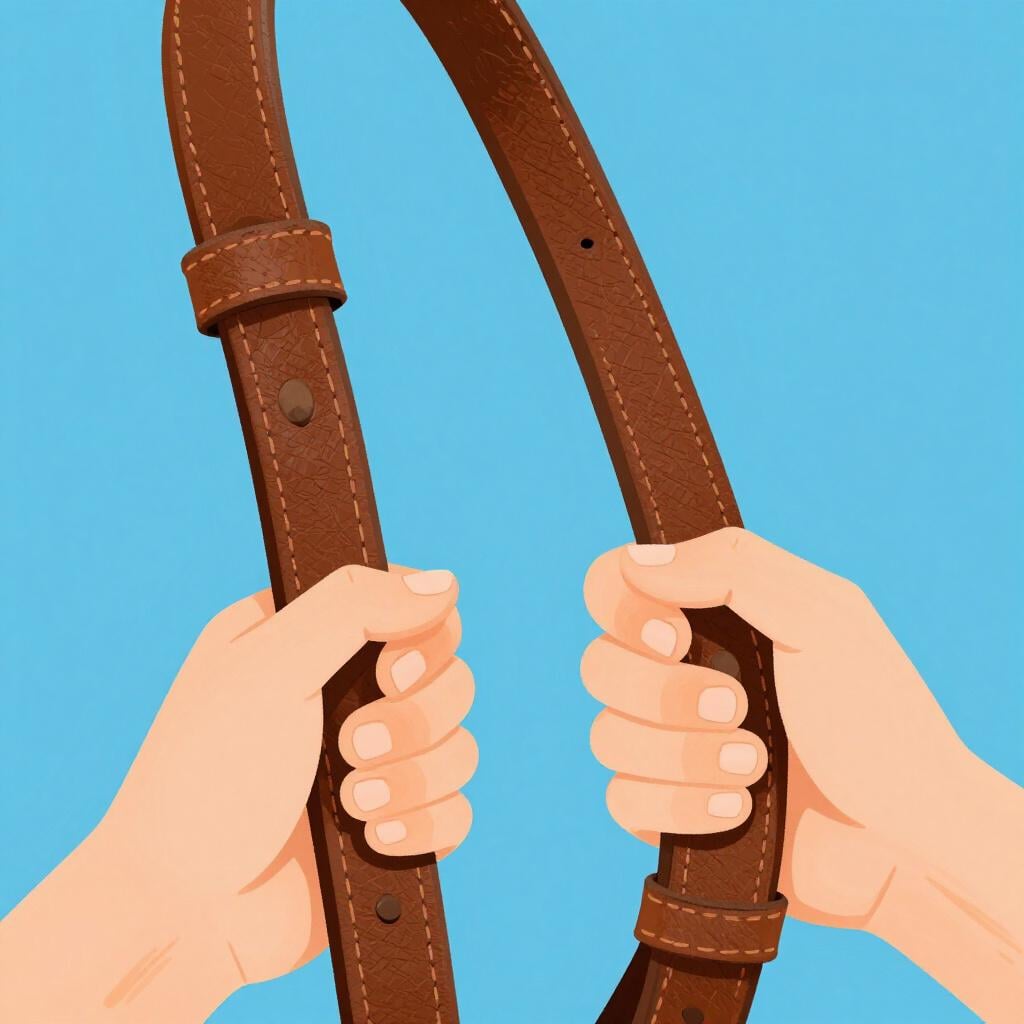
“rienda” means “rein” in Spanish. It has 2 different meanings depending on context:


reinAlso: bridle
📝 In Action
El jinete tiró de las riendas para detener al caballo.
B1The rider pulled the reins to stop the horse.
Sujeta la rienda con firmeza pero sin fuerza.
B2Hold the rein firmly but without force.
Las riendas son de cuero de alta calidad.
A2The reins are made of high-quality leather.
Word Connections
control, leadAlso: reins

📝 In Action
Ella tomó las riendas del negocio familiar tras la jubilación de su padre.
B2She took the reins of the family business after her father's retirement.
No le des rienda suelta a tu imaginación.
C1Don't give free rein to your imagination.
Es importante tomar las riendas de tu propia vida.
B2It is important to take control of your own life.
Word Connections
✏️ Quick Practice
Quick Quiz: rienda
Question 1 of 3
If someone tells you 'tienes que tomar las riendas', what do they mean?
📚 More Resources
👥 Word Family
📚 Etymology
From the Vulgar Latin 'retina', which comes from the verb 'retinere' (to retain or hold back). It shares the same root as the English word 'retain'.
First recorded: 12th century
Cognates (Related words)
💡 Master Spanish
Take your Spanish to the next level. Read 200+ illustrated and narrated Spanish stories tailored to your level with the Inklingo app!
Frequently Asked Questions
Is 'rienda' related to 'rendirse' (to surrender)?
No. Although they look similar, 'rienda' comes from 'retinere' (to hold back), while 'rendirse' comes from 'reddere' (to give back).
Can I use 'rienda' for the reins of a carriage?
Yes, it applies to any strap used to control a draft or riding animal.
Is it more common to say 'rienda' or 'riendas'?
In figurative speech ('control'), the plural 'riendas' is much more common. In literal horse riding, both are used depending on whether you mean one strap or the pair.