How to Say "lead" in Spanish
The most common Spanish word for “lead” is “ventaja” — use 'ventaja' when 'lead' refers to an advantage or a superior position in a competition, game, or situation.








ventaja
ben-TAH-hahbenˈta.xa

Examples
El equipo local tomó una gran ventaja en el primer tiempo.
The home team took a big lead in the first half.
Estudiar en el extranjero te da una gran **ventaja** profesional.
Studying abroad gives you a big professional advantage.
Con el gol, el equipo local tomó la **ventaja** de dos a uno.
With the goal, the home team took the two-to-one lead.
La principal **ventaja** de este método es su simplicidad.
The main benefit of this method is its simplicity.
Feminine Article
Ventaja is always feminine, so you must use 'la' or 'una' before it: 'la ventaja' (the advantage), 'una ventaja' (an advantage).
The phrase 'Sacar Ventaja'
This is the most common way to say 'to gain an advantage' or 'to take advantage' (often in a competitive or neutral sense).
Gender Confusion
Mistake: “El ventaja”
Correction: La ventaja. Even though some masculine words end in -a (like *problema*), *ventaja* follows the standard rule and is feminine.
delantera
deh-lahn-TEH-rahde.lanˈte.ɾa

Examples
El corredor se mantuvo en la delantera durante toda la maratón.
The runner maintained the lead throughout the marathon.
El ciclista logró tomar la delantera en la montaña.
The cyclist managed to take the lead on the mountain.
El partido político lleva la delantera en las encuestas.
The political party holds the lead in the polls.
Action Phrases
You will almost always see 'delantera' used with verbs like tomar (to take) or llevar (to carry/hold) when talking about being ahead in a competition.
lleven
YEH-vehnˈʎe.βen

Examples
Por favor, lleven las maletas a la habitación.
Please lead the suitcases to the room.
Sugiero que lleven a la abuela al médico mañana.
I suggest that they take Grandma to the doctor tomorrow.
Lleven estos turistas al centro de la ciudad.
Take these tourists to the city center. (Formal plural command)
The Subjunctive and Influence
When a sentence starts with a verb of influence (like 'sugiero que' or 'pido que'), the action performed by the other people ('they' or 'you plural') must use the special verb form, 'lleven'.
plomo
PLOH-mohˈplomo
Examples
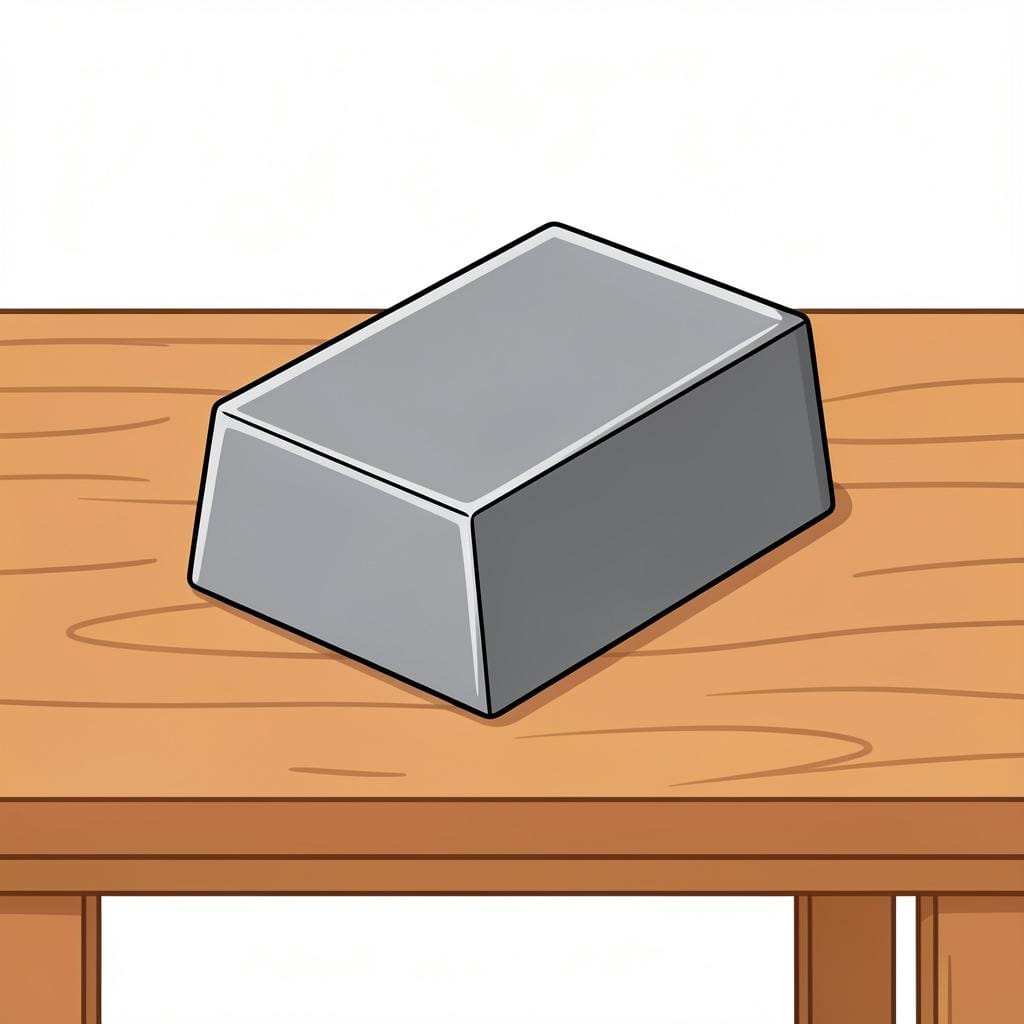
Las tuberías antiguas a menudo estaban hechas de plomo.
Old pipes were often made of lead.
El plomo es un metal muy pesado.
Lead is a very heavy metal.
Necesito un plomo más grande para que el anzuelo baje al fondo.
I need a bigger sinker so the hook goes to the bottom.
Masculine Noun
This word is masculine. Always use 'el' or 'un' with it (el plomo).
vanguardia
bahn-GWAR-dee-ahbaŋˈɡwaɾðja

Examples
Su diseño de moda está a la vanguardia de las tendencias.
Her fashion design is at the lead of trends.
Esta empresa siempre está a la vanguardia de la tecnología móvil.
This company is always at the forefront of mobile technology.
Nuestra universidad se sitúa en la vanguardia de la investigación médica.
Our university is at the cutting edge of medical research.
Queremos estar en la vanguardia del cambio social.
We want to be at the lead of social change.
Always Feminine
Even though it doesn't describe a person, this word is always 'la vanguardia'. You never use 'el'.
The Magic 'A'
When saying you are 'at' the forefront, Spanish almost always uses the phrase 'a la vanguardia' rather than 'en la'.
Using 'vanguardia' as an Adjective
Mistake: “Es una idea vanguardia.”
Correction: Es una idea de vanguardia o vanguardista.
rienda
ryen-dahˈrjenda

Examples
El nuevo director tomó las riendas de la empresa con éxito.
The new director successfully took the lead of the company.
Ella tomó las riendas del negocio familiar tras la jubilación de su padre.
She took the reins of the family business after her father's retirement.
No le des rienda suelta a tu imaginación.
Don't give free rein to your imagination.
Es importante tomar las riendas de tu propia vida.
It is important to take control of your own life.
Always Feminine
Even when referring to 'control' (which is masculine in Spanish), 'rienda' is always a feminine word. You always say 'las riendas'.
Missing 'las'
Mistake: “Tomar riendas de la situación.”
Correction: Tomar las riendas de la situación.
pista
PEES-tahˈpis.ta

Examples
La policía no encontró ninguna pista sobre el paradero del sospechoso.
The police found no lead on the suspect's whereabouts.
No sé la respuesta, ¿puedes darme una pista?
I don't know the answer, can you give me a hint?
La policía no tiene pistas sobre el robo.
The police have no leads on the robbery.
Seguimos la pista de las huellas en la nieve.
We followed the trail of the footprints in the snow.
mina
MEE-nahˈmina
Examples
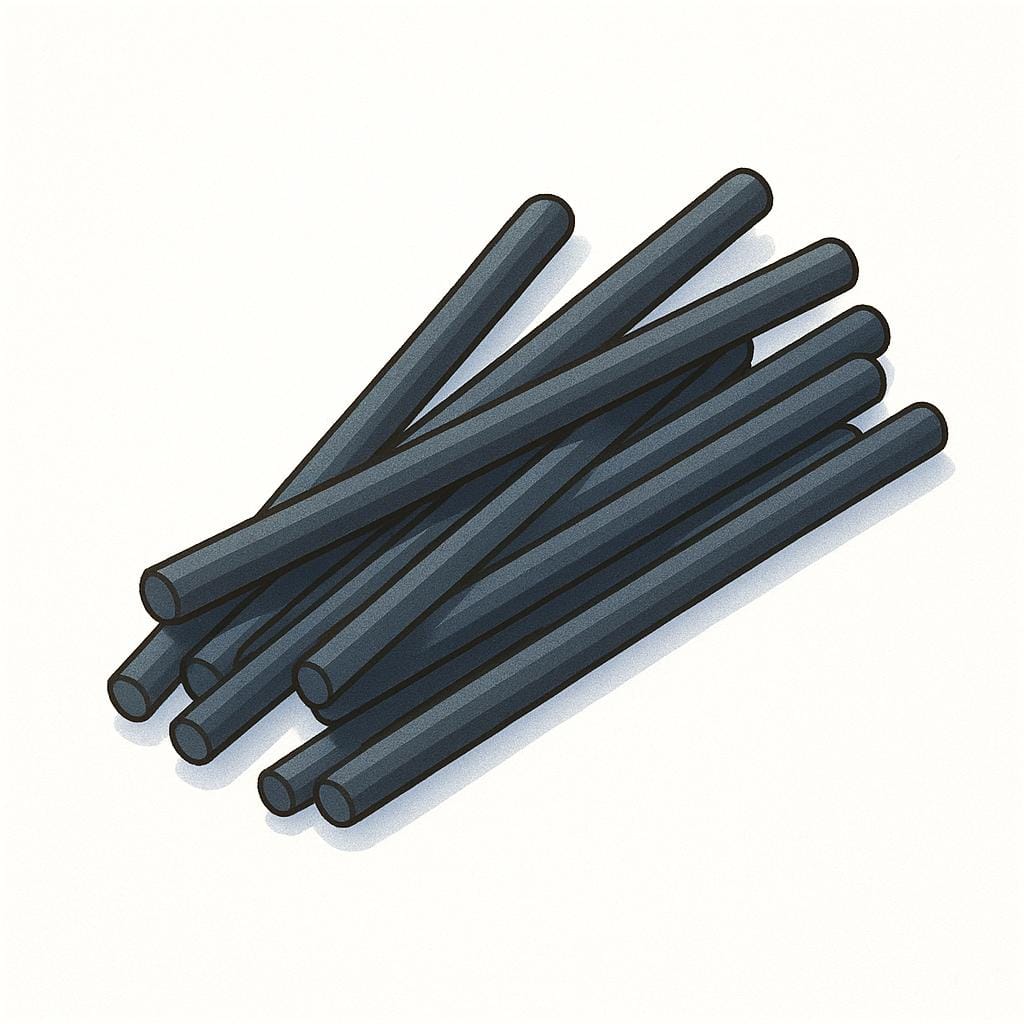
Necesito comprar una nueva mina para mi lápiz.
I need to buy a new lead for my pencil.
Se me acabó la mina del portaminas.
I ran out of lead in my mechanical pencil.
Necesitas comprar minas más gruesas para dibujar.
You need to buy thicker leads for drawing.
Lead vs. Pencil
Mistake: “Using 'lápiz' when you mean 'mina'.”
Correction: A 'lápiz' is the whole pencil; the 'mina' is just the graphite inside, often for a mechanical pencil ('portaminas').
balazo
ba-lah-sobaˈlaso

Examples
El titular principal era un balazo que resumía la crisis.
The main headline was a lead that summarized the crisis.
El balazo de la noticia debe ser impactante.
The news kicker needs to be striking.
Usa balazos para resaltar los beneficios del producto.
Use bullet points to highlight the product's benefits.
Escribe un balazo corto antes del titular principal.
Write a short kicker before the main headline.
Figurative Language
In media, 'balazo' is used figuratively because the text is meant to 'hit' the reader quickly, just like a bullet.
Literal vs. Figurative
Mistake: “Using 'balazo' for a normal sentence.”
Correction: Use it only for punchy, short phrases meant to grab attention in a design or article.
Advantage vs. Leading Position
Related Translations
Learn Spanish with Inklingo
Interactive stories, personalized learning, and more.