sartén
“sartén” means “frying pan” in Spanish (cooking utensil).
frying pan
Also: skillet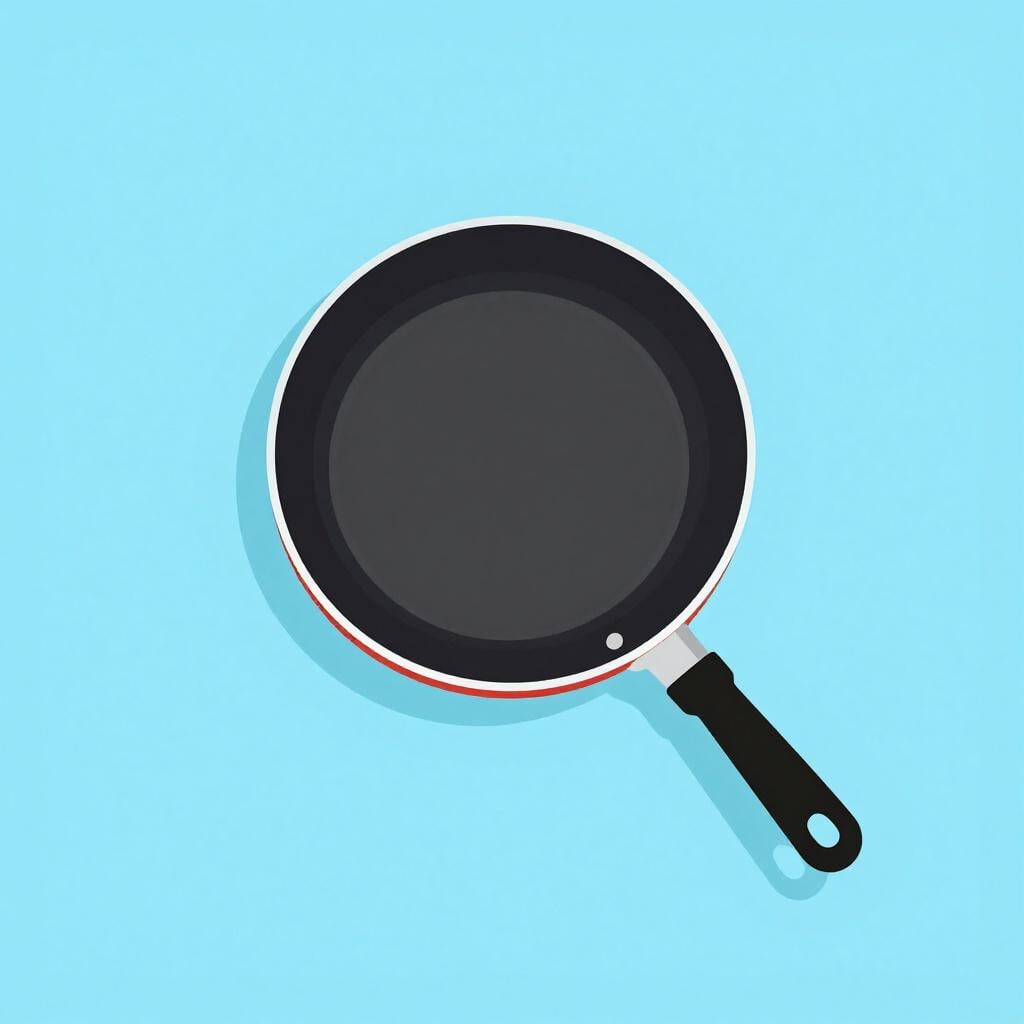
📝 In Action
Pongo la sartén en el fuego para freír un huevo.
A1I put the frying pan on the stove to fry an egg.
Necesitamos una sartén más grande para cocinar toda la carne.
A2We need a bigger frying pan to cook all the meat.
Esta sartén es antiadherente, así que no se pega nada.
B1This skillet is non-stick, so nothing sticks to it.

Translate to Spanish
✏️ Quick Practice
Quick Quiz: sartén
Question 1 of 3
How do you say 'the frying pans' (plural) in Spanish?
📚 More Resources
👥 Word Family▼
🎵 Rhymes▼
📚 Etymology▼
From the Latin word 'sartago', which also referred to a type of kettle or frying pan.
First recorded: 13th century
Cognates (Related words)
💡 Master Spanish
Take your Spanish to the next level. Read 200+ illustrated and narrated Spanish stories tailored to your level with the Inklingo app!
Frequently Asked Questions
Is it 'el' or 'la' sartén?
Both! In Spain, 'la sartén' is standard. In many Latin American countries, 'el sartén' is more common. If you are learning, 'la' is the safest choice for exams, but 'el' is perfectly fine in conversation.
What is the difference between 'sartén' and 'olla'?
A 'sartén' is shallow and used for frying or searing (like for eggs or steak). An 'olla' is deep and used for liquids (like for soup or boiling pasta).
Why does 'sartén' have an accent mark?
Because the stress is on the last syllable and the word ends in 'n'. In Spanish, words ending in 'n', 's', or a vowel need an accent if the last syllable is the strongest.