selección
“selección” means “selection” in Spanish. It has 2 different meanings depending on context:
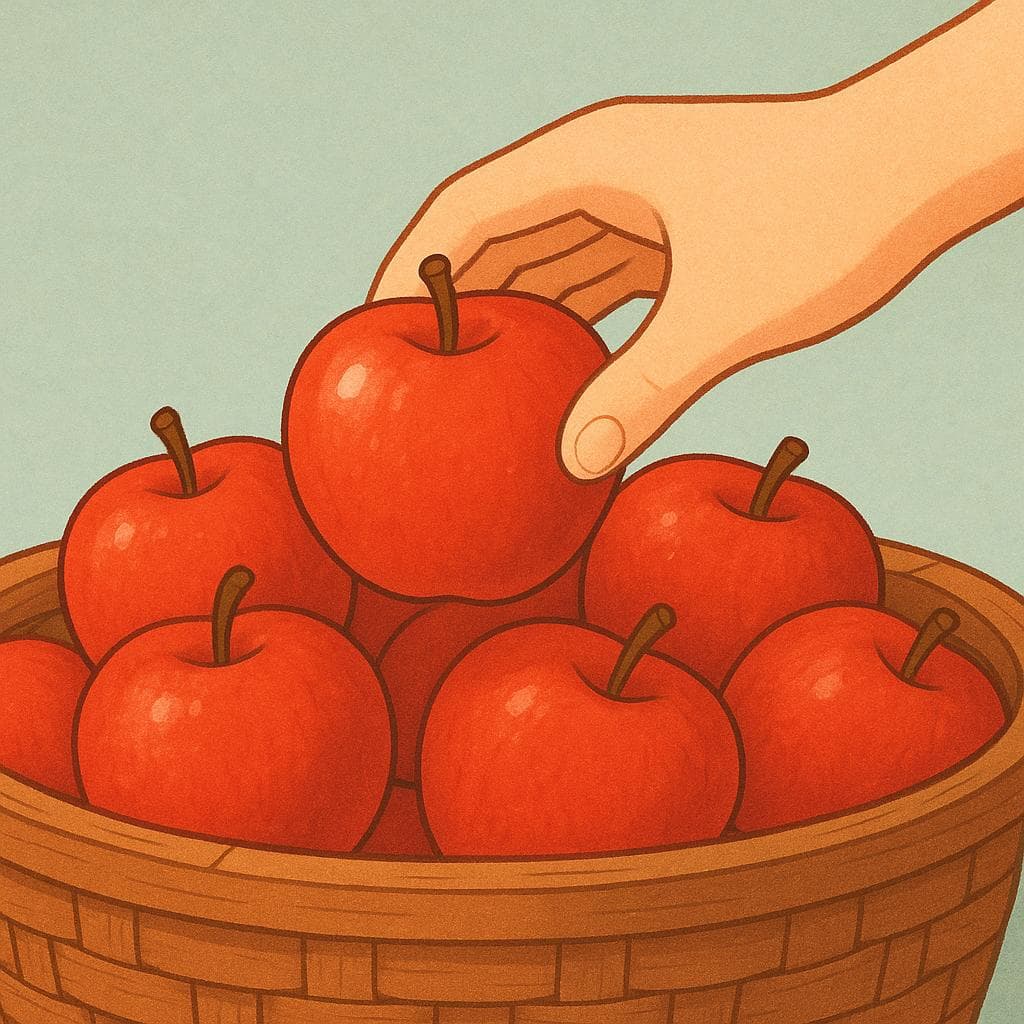
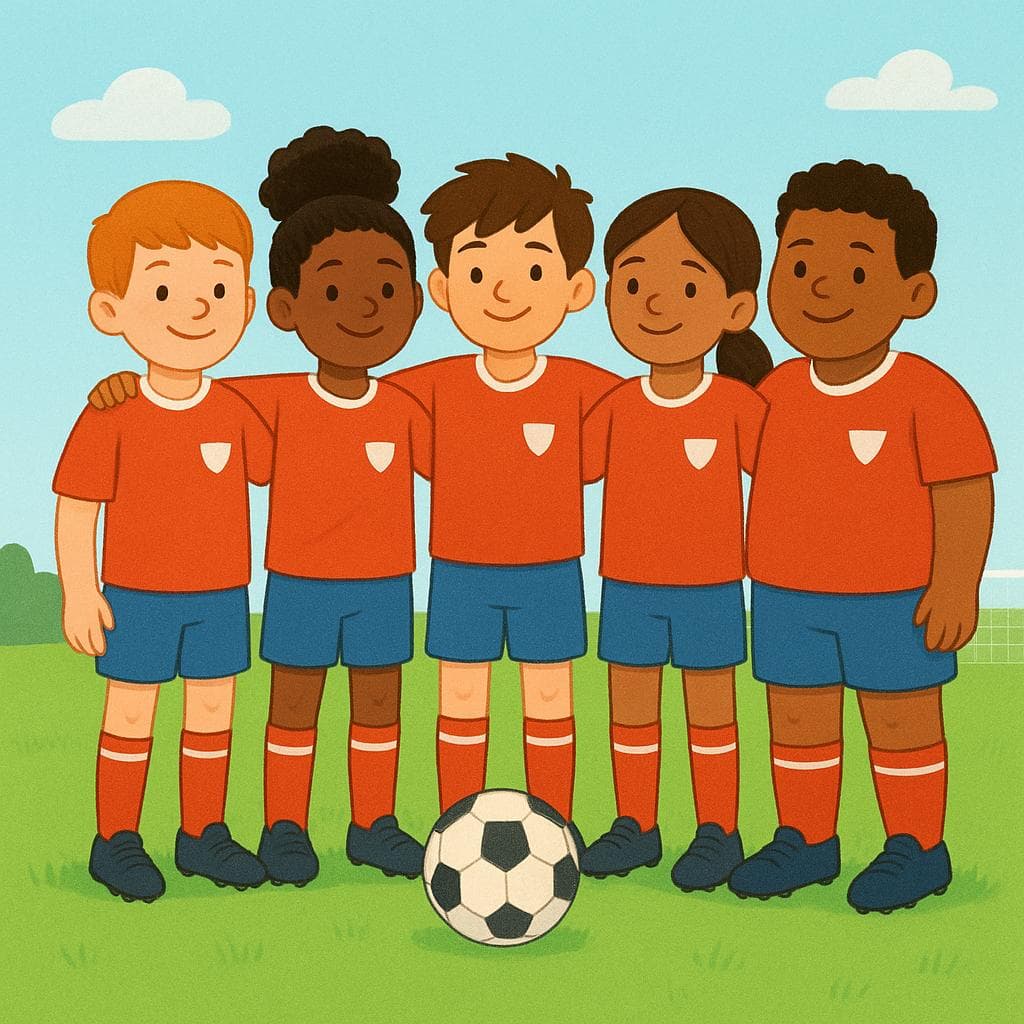
selection
Also: choice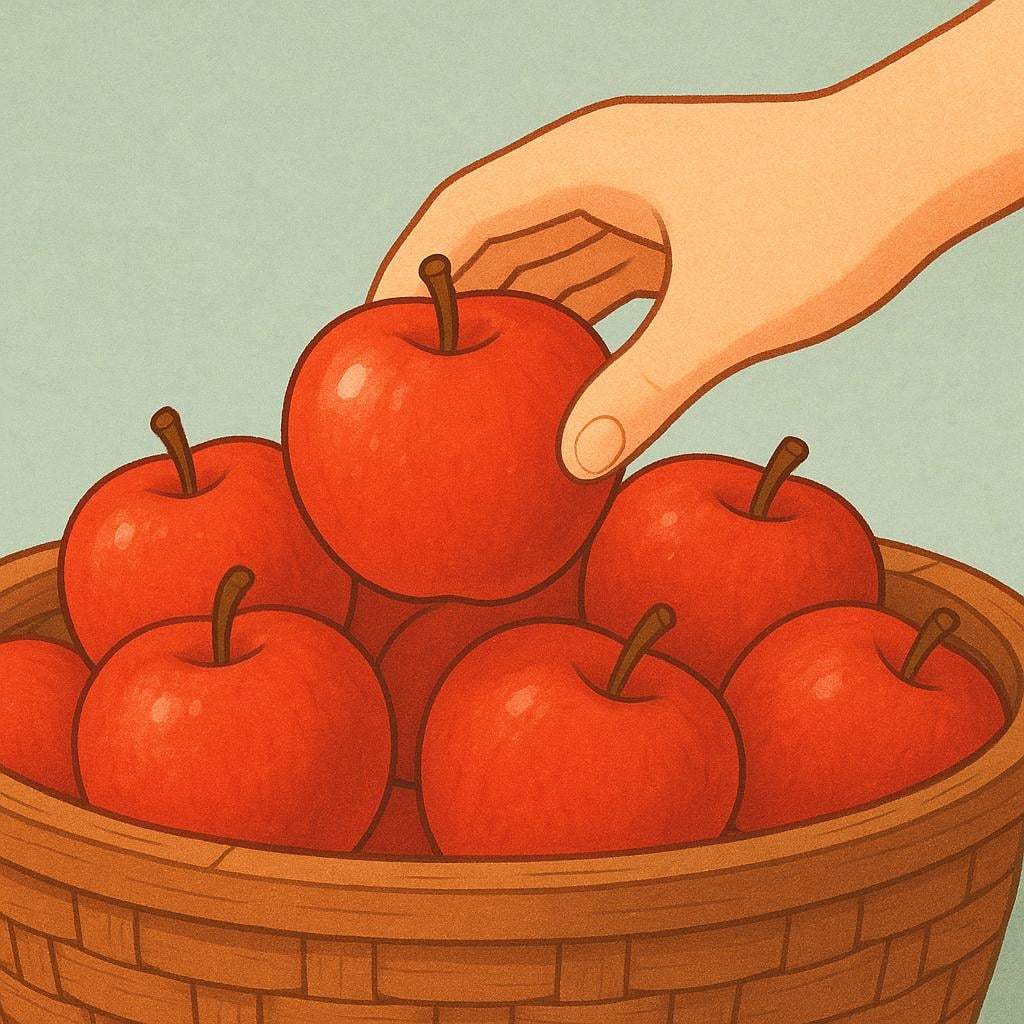
📝 In Action
La selección del nuevo director fue un proceso largo.
B1The selection of the new director was a long process.
Tienes una buena selección de ropa en tu armario.
A2You have a good selection of clothes in your closet.
national team
Also: squad
📝 In Action
La selección argentina ganó la Copa del Mundo.
A2The Argentine national team won the World Cup.
Mañana juega la selección.
A1The national team plays tomorrow.
Translate to Spanish
Words that translate to "selección" in Spanish:
squad→✏️ Quick Practice
Quick Quiz: selección
Question 1 of 2
If you hear someone in Spain say '¡Hoy juega la selección!', what are they likely talking about?
📚 More Resources
👥 Word Family▼
🎵 Rhymes▼
📚 Etymology▼
From the Latin word 'selectio,' which comes from 'seligere' (to pick out). It combines 'se-' (apart) and 'legere' (to gather/choose).
First recorded: 13th century
Cognates (Related words)
💡 Master Spanish
Take your Spanish to the next level. Read 200+ illustrated and narrated Spanish stories tailored to your level with the Inklingo app!
Frequently Asked Questions
Does 'selección' always mean a sports team?
No. While very common in sports, it also means any act of choosing or a collection of items, like a 'selection of wines' (una selección de vinos).
How do I pluralize 'selección'?
The plural is 'selecciones'. Note that when you add the '-es', the accent on the 'o' disappears!