separación
“separación” means “separation” in Spanish. It has 2 different meanings depending on context:
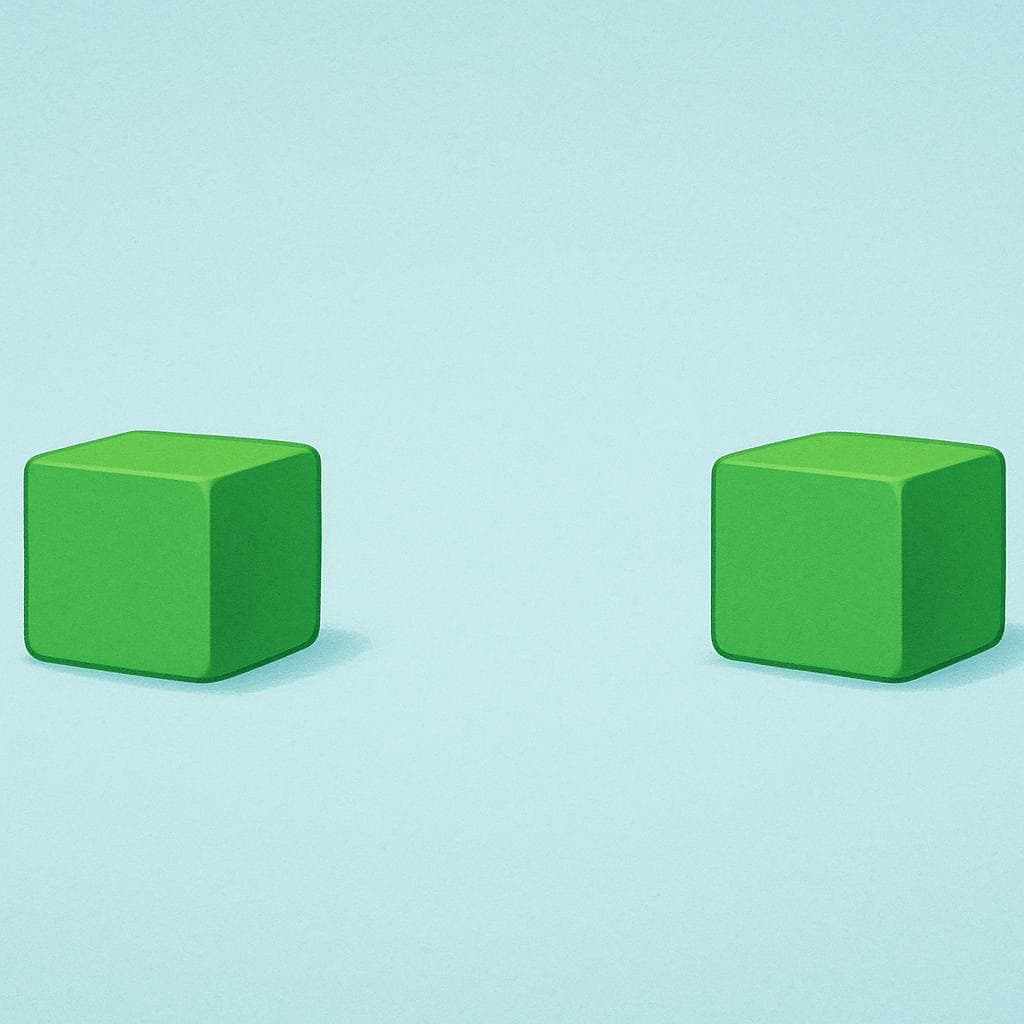
separation, distanceAlso: gap, sorting

📝 In Action
La separación entre las mesas es obligatoria por seguridad.
B1The separation (distance) between the tables is mandatory for safety.
El plan requiere la separación de residuos orgánicos e inorgánicos.
B1The plan requires the separation of organic and inorganic waste.
Hay una clara separación de poderes en el gobierno.
B2There is a clear separation of powers in the government.
Word Connections
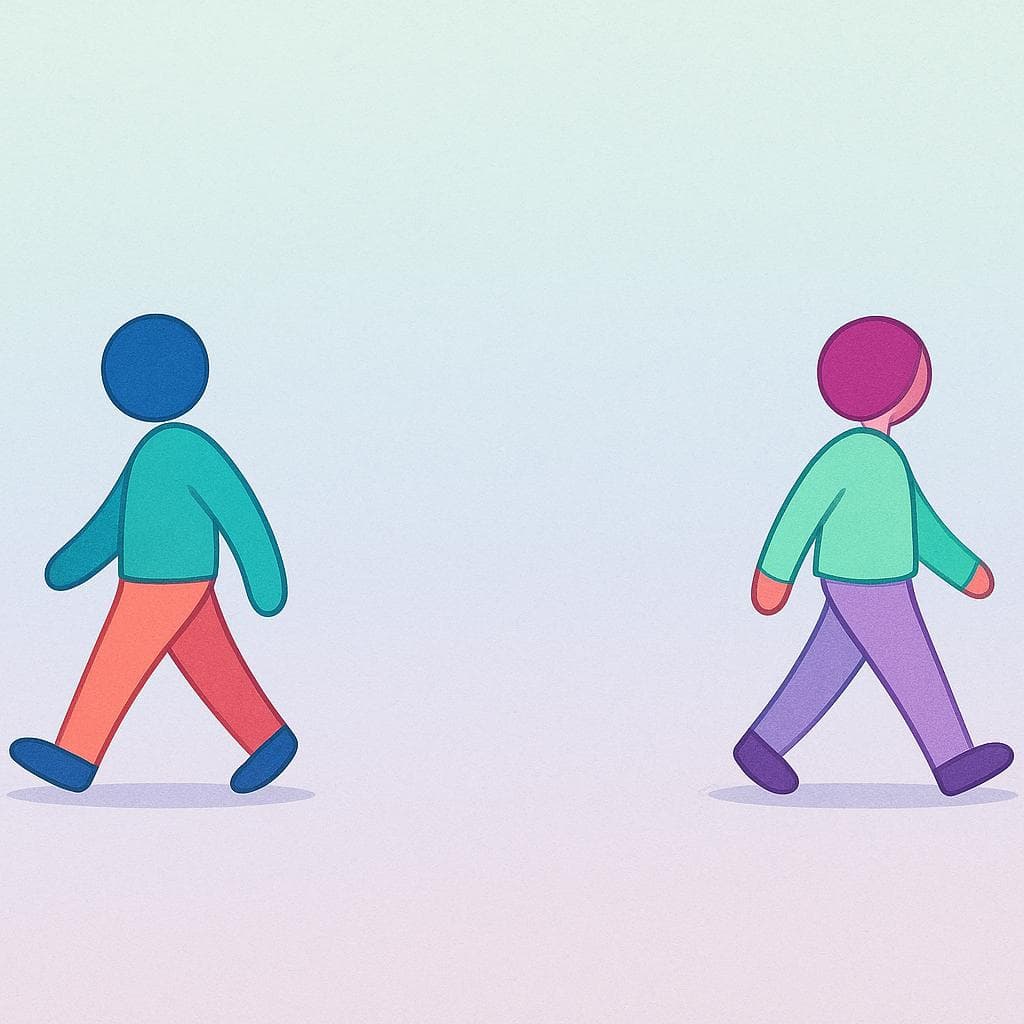
separationAlso: breakup

📝 In Action
Tras veinte años de matrimonio, firmaron los papeles de separación.
B2After twenty years of marriage, they signed the separation papers.
La separación fue difícil para los niños, pero necesaria.
C1The breakup was difficult for the children, but necessary.
Word Connections
✏️ Quick Practice
Quick Quiz: separación
Question 1 of 1
Which sentence uses 'separación' in a legal or relational context?
📚 More Resources
👥 Word Family
🎵 Rhymes
📚 Etymology
Comes directly from the Latin word 'separatio,' which meant 'a dividing' or 'a parting.' It has maintained its core meaning throughout its journey into Spanish.
First recorded: Medieval Latin
Cognates (Related words)
💡 Master Spanish
Take your Spanish to the next level. Read 200+ illustrated and narrated Spanish stories tailored to your level with the Inklingo app!
Frequently Asked Questions
What is the difference between 'separación' and 'divorcio'?
'Separación' means the couple stops living together and may divide assets, but they are still technically married. 'Divorcio' is the legal dissolution of the marriage, meaning they are no longer married.
How do I describe someone who is separated from their spouse?
You use the related adjective 'separado' (for a male) or 'separada' (for a female). For example: 'Mi hermano está separado' (My brother is separated).