silbido
“silbido” means “whistle” in Spanish (the high-pitched sound made by air).
whistle
Also: hissing, wheezing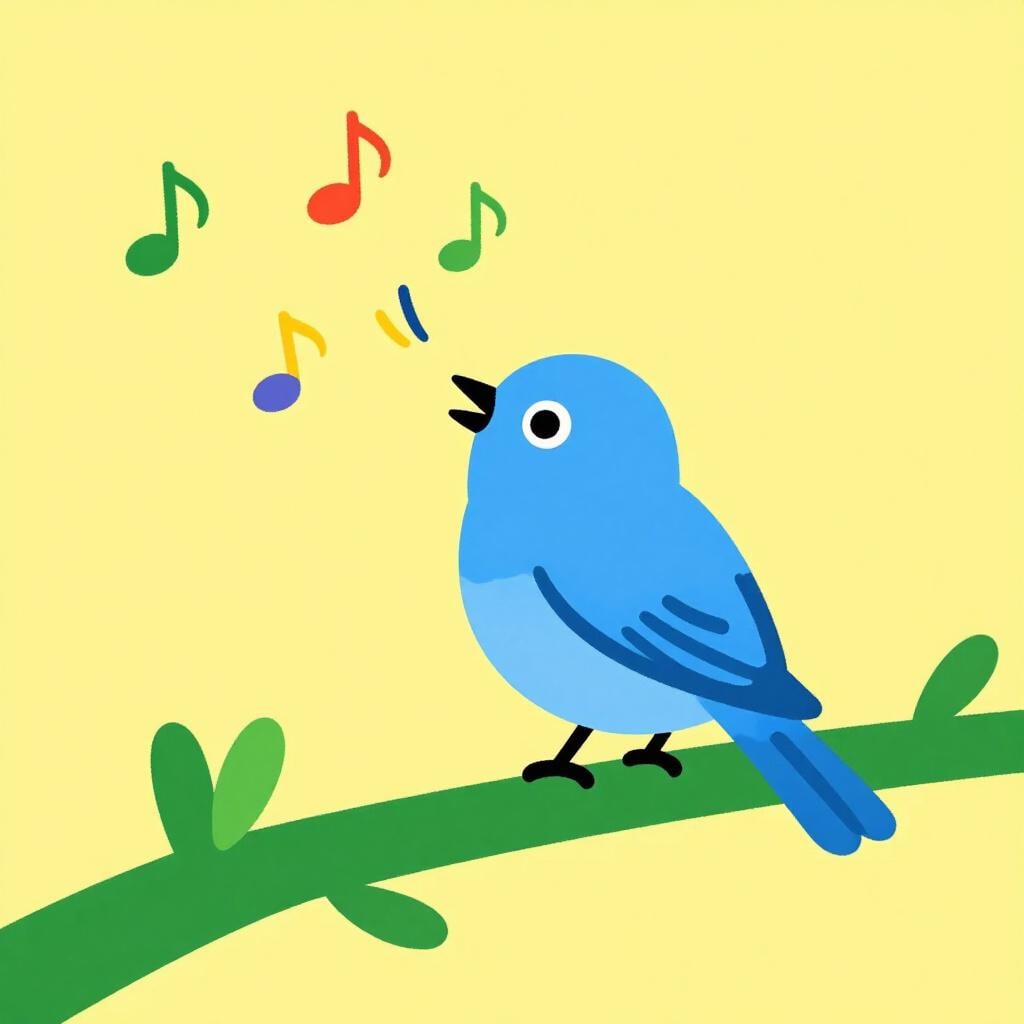
📝 In Action
El árbitro terminó el partido con un silbido fuerte.
A2The referee ended the game with a loud whistle.
Escuché el silbido del viento entre los árboles.
B1I heard the whistling of the wind among the trees.
La tetera anunció que el agua hervía con un pequeño silbido.
B2The kettle announced the water was boiling with a little whistle.
✏️ Quick Practice
Quick Quiz: silbido
Question 1 of 3
Which word describes the PHYSICAL OBJECT a referee uses?
📚 More Resources
👥 Word Family▼
📚 Etymology▼
From the Spanish verb 'silbar,' which comes from the Latin 'sibilare.' It is an onomatopoeic word, meaning it was created to imitate the actual sound of a hiss or a whistle.
First recorded: 13th century
Cognates (Related words)
💡 Master Spanish
Take your Spanish to the next level. Read 200+ illustrated and narrated Spanish stories tailored to your level with the Inklingo app!
Frequently Asked Questions
Is 'silbido' a formal word?
It is a neutral word. It is perfectly fine to use in both formal writing and casual conversation.
What is the difference between 'silbido' and 'pitido'?
A 'silbido' is specifically a whistle sound (made by breath or wind). A 'pitido' is a more general term for any high-pitched 'beep' or 'honk,' like from a car horn or a digital device.
How do I describe a very quiet whistle?
You can say 'un silbido suave' or 'un silbido tenue'.