sufrió
“sufrió” means “suffered” in Spanish. It has 2 different meanings depending on context:
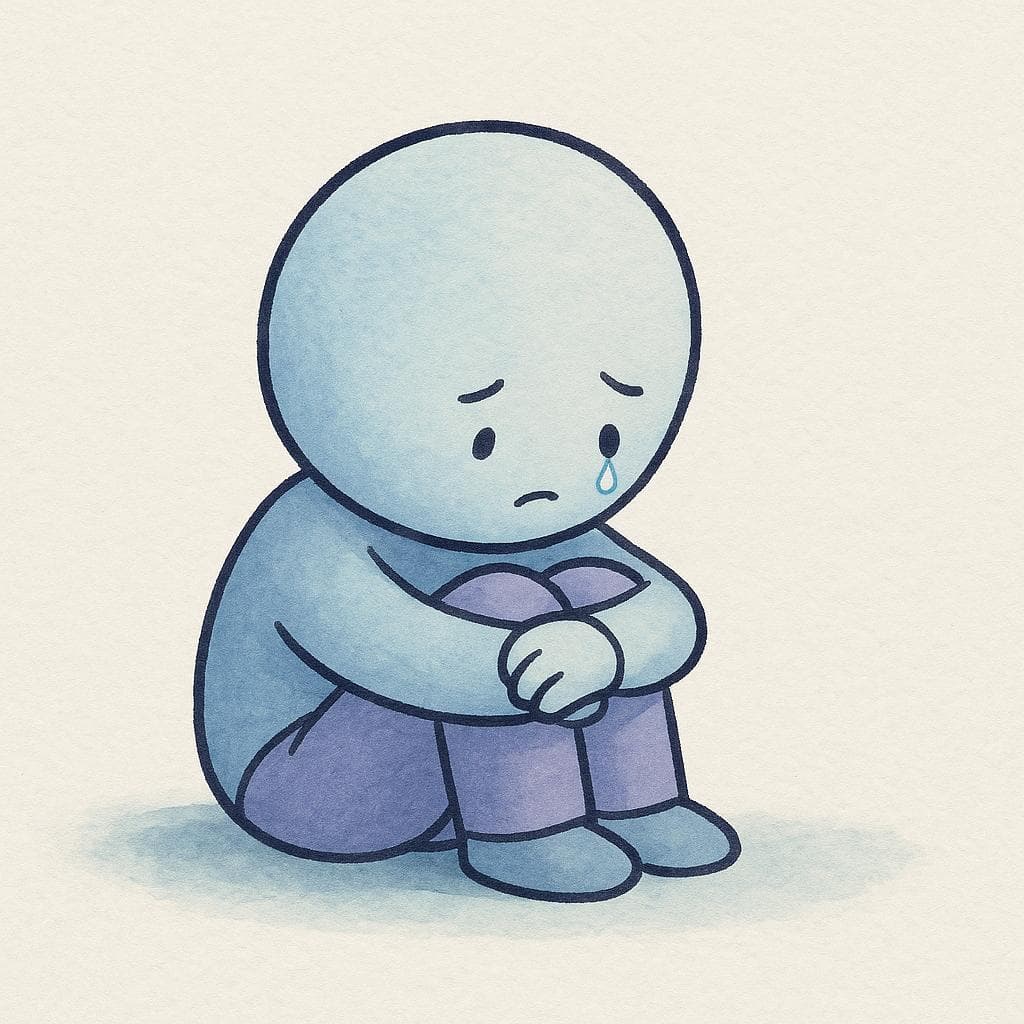

suffered, went throughAlso: endured

📝 In Action
Ella sufrió mucho por la pérdida de su mascota.
A2She suffered a lot over the loss of her pet.
El equipo sufrió una derrota inesperada ayer.
B1The team suffered an unexpected defeat yesterday.
¿Usted sufrió algún daño en el accidente?
B1Did you (formal) suffer any damage in the accident?
Word Connections
underwentAlso: sustained

📝 In Action
El puente sufrió daños estructurales tras el terremoto.
B1The bridge sustained structural damage after the earthquake.
La empresa sufrió una reestructuración completa el año pasado.
B2The company underwent a complete restructuring last year.
Word Connections
Indicative
Present
Imperfect
Preterite
Subjunctive
Present Subjunctive
Imperfect Subjunctive
Translate to Spanish
Words that translate to "sufrió" in Spanish:
✏️ Quick Practice
Quick Quiz: sufrió
Question 1 of 2
Which sentence correctly uses 'sufrió' to describe a completed action?
📚 More Resources
👥 Word Family
🎵 Rhymes
📚 Etymology
The word comes from the Latin verb *sufferre*, meaning 'to bear,' 'to carry,' or 'to undergo.' It shares a root with the English word 'suffer,' making it easy to remember.
First recorded: Medieval Spanish (around 13th century)
Cognates (Related words)
💡 Master Spanish
Take your Spanish to the next level. Read 200+ illustrated and narrated Spanish stories tailored to your level with the Inklingo app!
Frequently Asked Questions
Is 'sufrió' a regular or irregular verb form?
'Sufrió' comes from the verb 'sufrir,' which is a regular '-ir' verb in the simple past tense (Pretérito). This means the stem (sufr-) does not change, making it easy to conjugate.
What is the difference between 'sufrió' and 'padeció'?
Both mean 'suffered.' 'Sufrió' (from sufrir) is very common and general. 'Padeció' (from padecer) is slightly more formal and is usually reserved for prolonged or serious physical or mental ailments (like chronic illness or deep grief).