tenedor
“tenedor” means “fork” in Spanish. It has 2 different meanings depending on context:
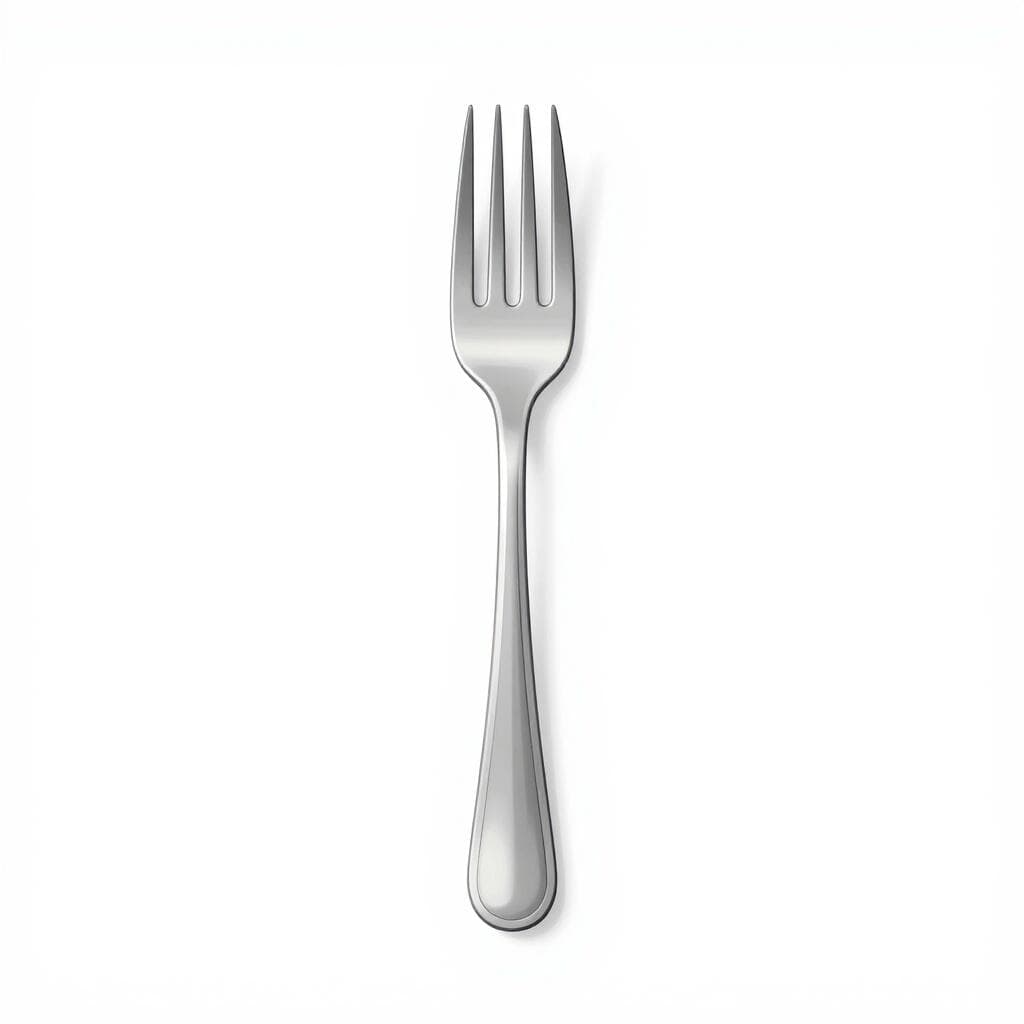

fork
Also: pitchfork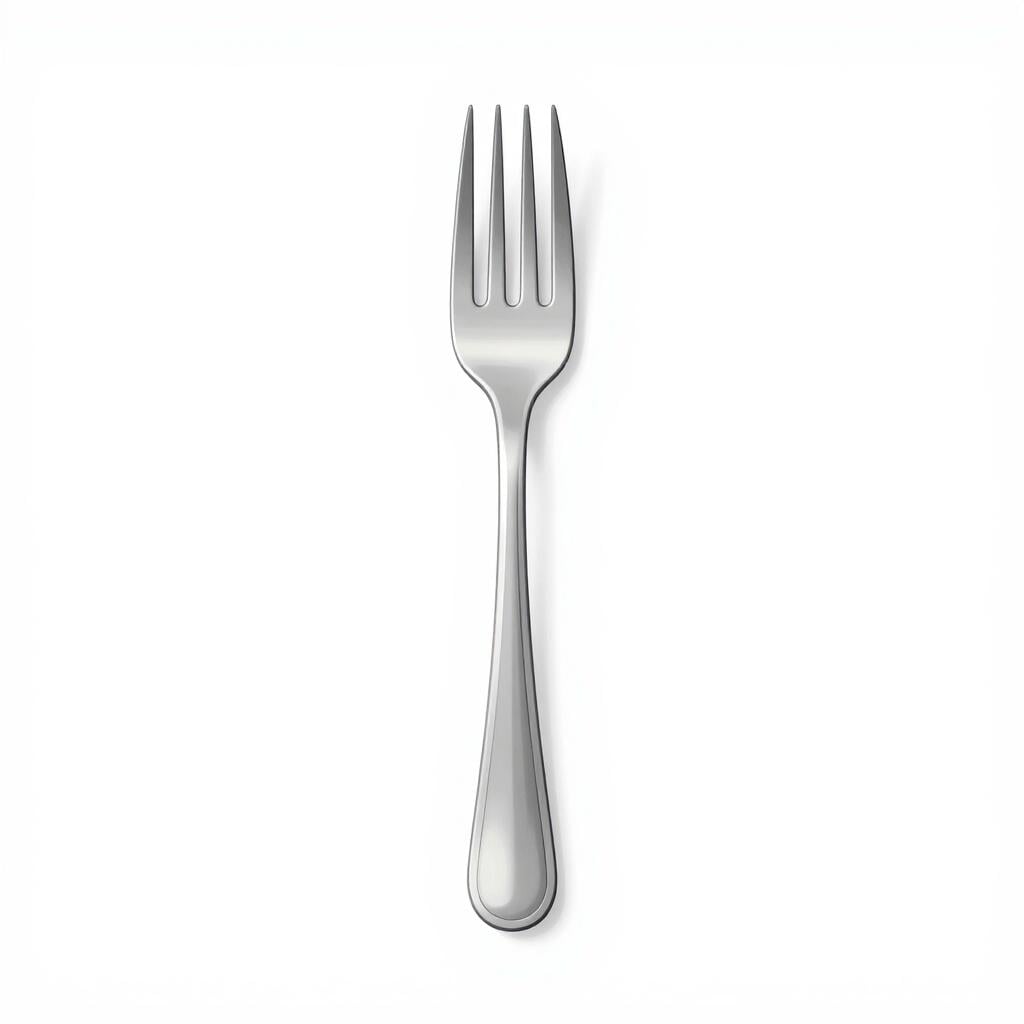
📝 In Action
Necesito un tenedor para comer la carne.
A1I need a fork to eat the meat.
¿Puedes poner los cuchillos y los tenedores en la mesa?
A2Can you put the knives and forks on the table?
El tenedor de postre es más pequeño que el normal.
B1The dessert fork is smaller than the regular one.
holder
Also: bearer
📝 In Action
El tenedor de la póliza debe firmar aquí.
C1The policy holder must sign here.
Es el legítimo tenedor de las acciones.
C1He is the legitimate holder of the shares.
Translate to Spanish
✏️ Quick Practice
Quick Quiz: tenedor
Question 1 of 3
If you are in a restaurant and you drop your utensil for eating salad, what should you ask for?
📚 More Resources
👥 Word Family▼
📚 Etymology▼
Derived from the Spanish verb 'tener' (to hold), which comes from the Latin 'tenēre'. The suffix '-dor' is added to indicate the tool or person that does the holding.
First recorded: 14th century (in the sense of holder); later applied to the utensil when it was introduced.
Cognates (Related words)
💡 Master Spanish
Take your Spanish to the next level. Read 200+ illustrated and narrated Spanish stories tailored to your level with the Inklingo app!
Frequently Asked Questions
Is 'tenedor' used for a pitchfork on a farm?
While it technically means 'holder,' farmers usually use the word 'horca' or 'bieldo' for a large pitchfork. 'Tenedor' is almost exclusively for the table.
Why does it sound like the verb 'tener'?
Because it is directly related! A fork is something that 'holds' your food so you can eat it.
Can 'tenedor' be feminine?
As a utensil, no, it is always 'el tenedor'. In the legal sense of 'a holder,' you might see 'la tenedora' if referring specifically to a woman or a female-gendered entity (like a company).