Inklingo

tenía

/te-NEE-ah/

had

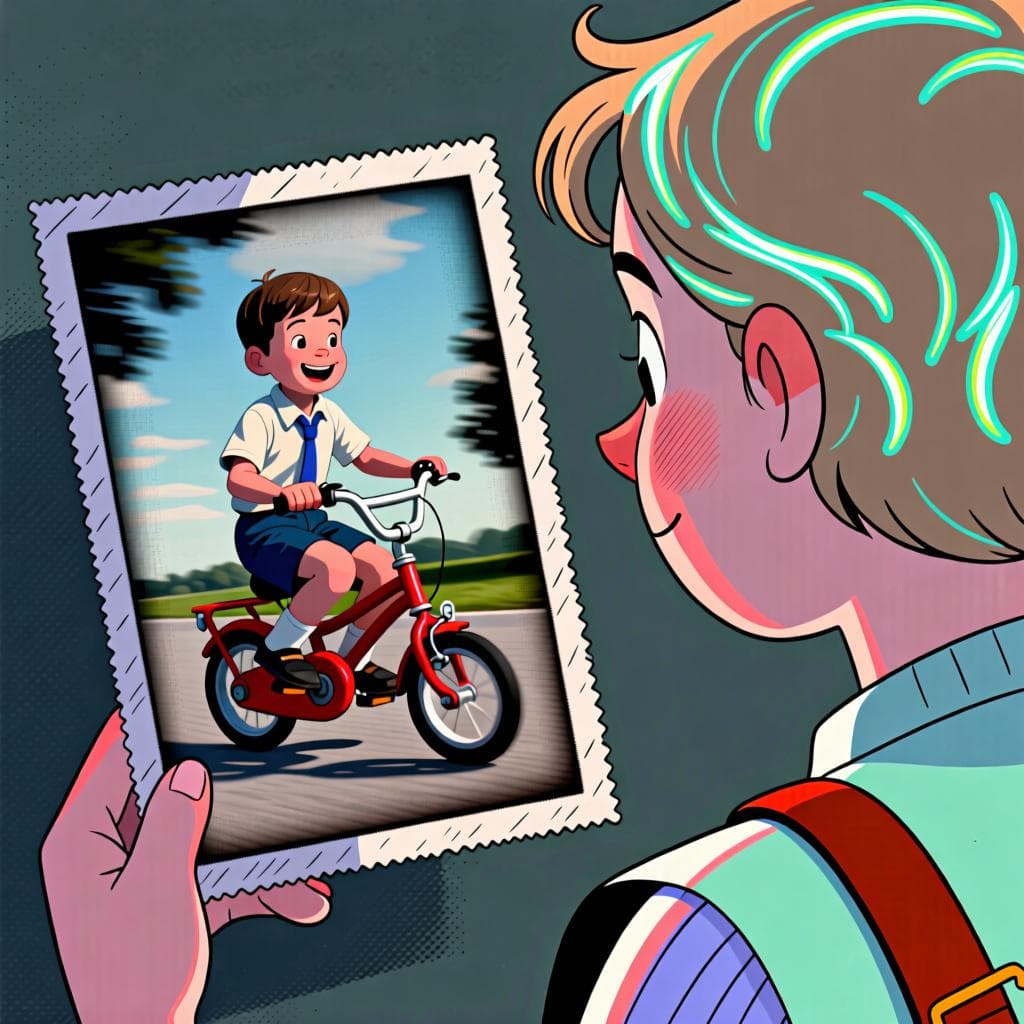
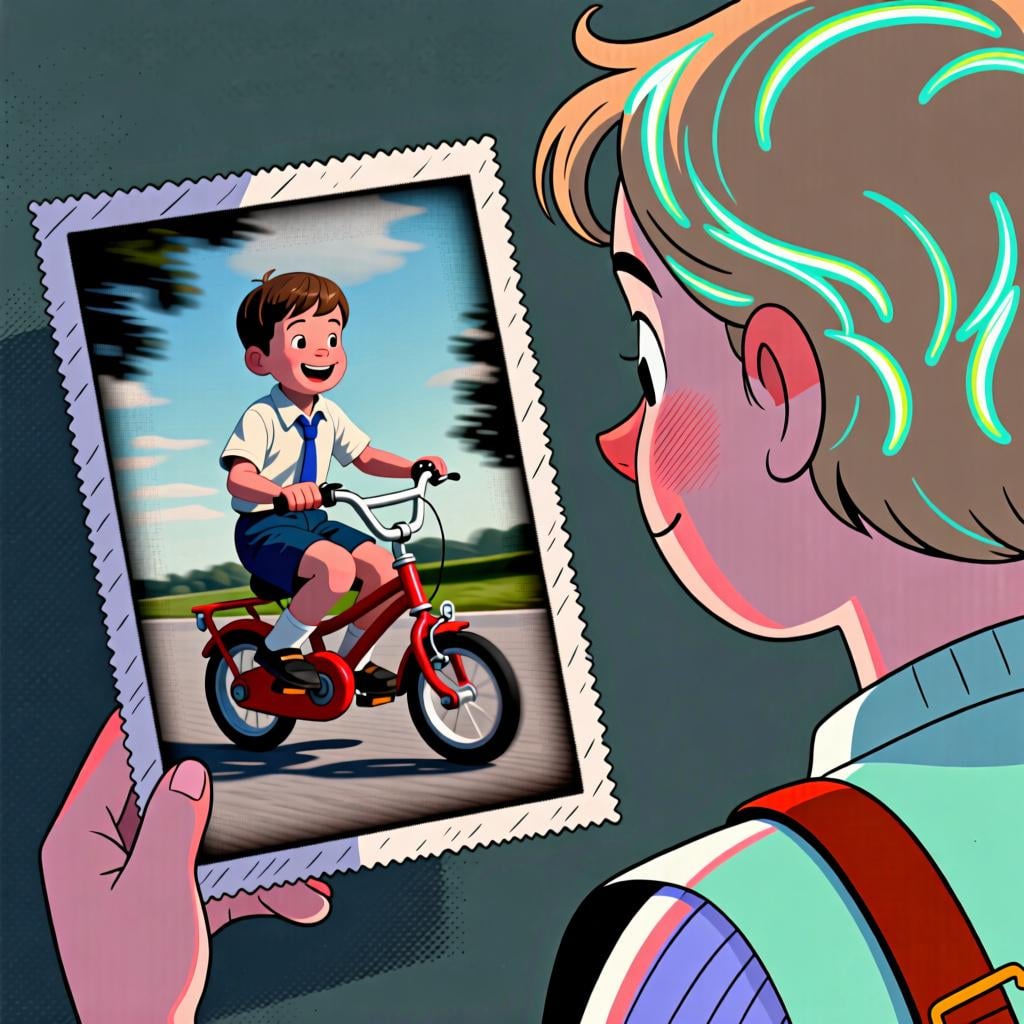
A drawing of a person looking at an old photo of themselves holding a bicycle, illustrating something they used to own.

Just like this person once had a bicycle, 'tenía' describes something you possessed or used to have in the past.

tenía(Verb)

A2irregular er

had

?

possession

Also:

used to have

?

continuous or repeated possession in the past

📝 In Action

Cuando era niño, tenía un perro llamado Fido.

A2

When I was a child, I had a dog named Fido.

Ella tenía el pelo muy largo antes.

A2

She used to have very long hair before.

La casa tenía un jardín grande.

A2

The house had a big garden.

Word Connections

Synonyms

  • poseía (possessed)

Antonyms

  • carecía de (lacked)

Common Collocations

  • tenía un cochehad a car
  • tenía una ideahad an idea

💡 Grammar Points

Describing the Past with 'Tenía'

'Tenía' is used to talk about things that were true for a period of time in the past, not just a single moment. Think of it as setting the scene: 'The castle was old and it had a tall tower.' ('El castillo era viejo y tenía una torre alta.')

❌ Common Pitfalls

Using 'Tenía' vs. 'Tuve'

Mistake: "Ayer, tenía una reunión importante."

Correction: Ayer, tuve una reunión importante. Use 'tuve' for a completed action at a specific time (yesterday). Use 'tenía' for ongoing states or descriptions in the past.

⭐ Usage Tips

Setting the Scene

Use 'tenía' when you're telling a story to describe the background details. What did the person look like? What was the place like? 'La mujer tenía ojos azules y el restaurante tenía pocas mesas.'

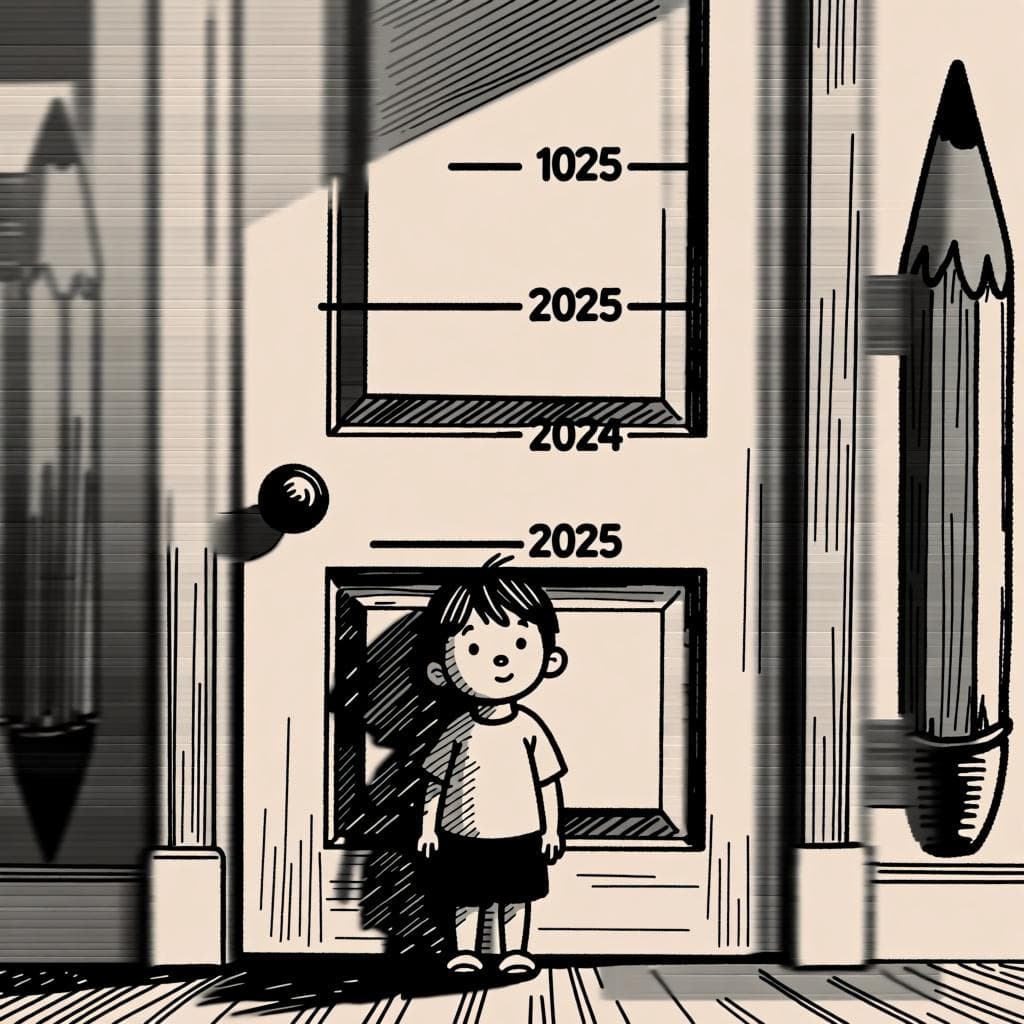
A drawing of a height chart on a wall showing a child's growth over several years, indicating their age at different points in the past.

To talk about how old someone was in the past, you always use a form of 'tener', like 'tenía'. For example, 'Aquí, yo tenía cinco años' (Here, I was five years old).

tenía(Verb)

A1irregular er

was

?

when talking about age

📝 In Action

Cuando nos conocimos, yo tenía veinte años.

A2

When we met, I was twenty years old.

¿Cuántos años tenía el emperador cuando murió?

B1

How old was the emperor when he died?

Word Connections

Common Collocations

  • tenía X añoswas X years old

💡 Grammar Points

Age is Something You 'Have'

In Spanish, you don't 'be' an age, you 'have' it. This is true for the present ('tengo 30 años') and the past ('tenía 30 años').

❌ Common Pitfalls

Translating Directly from English

Mistake: "Yo era veinte años."

Correction: Yo tenía veinte años. Always use the verb 'tener' for age, never 'ser' or 'estar'.

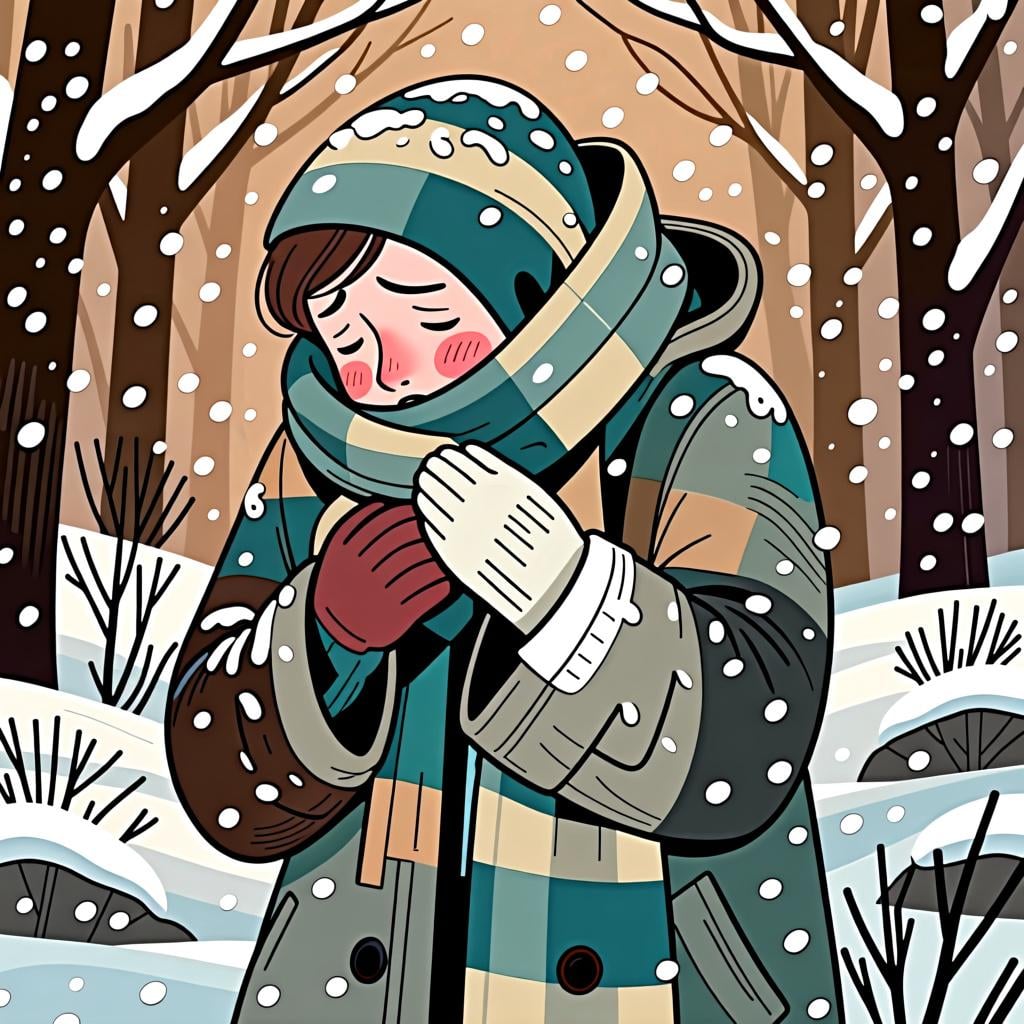
A person in a past scene shivering with cold, illustrating the use of 'tenía' for past physical states.

'Tenía' is also used with words like 'frío' (cold), 'hambre' (hunger), or 'sueño' (sleepiness) to describe how you were feeling in the past.

tenía(Verb)

A2irregular er

was

?

for feelings like hungry, thirsty, cold

Also:

felt

?

describing an internal state

📝 In Action

No desayuné, así que tenía mucha hambre.

A2

I didn't eat breakfast, so I was very hungry.

El niño tenía sueño y quería ir a la cama.

A2

The child was sleepy and wanted to go to bed.

Tenía miedo de la oscuridad cuando era pequeño.

B1

I was afraid of the dark when I was little.

Word Connections

Common Collocations

  • tenía hambrewas hungry
  • tenía fríowas cold
  • tenía sedwas thirsty
  • tenía sueñowas sleepy
  • tenía miedowas scared

💡 Grammar Points

Physical States You 'Have'

Just like with age, many feelings and physical states are things you 'have' in Spanish. You don't say 'I was hungry,' you say 'I had hunger' ('Tenía hambre').

❌ Common Pitfalls

Using 'Estar' for Physical States

Mistake: "Yo estaba hambre."

Correction: Yo tenía hambre. Remember the pattern: 'tener' + noun (hambre, sed, frío, calor, sueño, miedo).

A student in a past scene looking at a large pile of books, illustrating the obligation to study.

When you see 'tenía que', it means someone had an obligation or needed to do something in the past.

tenía(Verb)

B1irregular er

had to

?

obligation or necessity

📝 In Action

Tenía que terminar mi tarea antes de salir.

A2

I had to finish my homework before going out.

Llovía mucho, así que teníamos que cancelar el pícnic.

B1

It was raining a lot, so we had to cancel the picnic.

Word Connections

Synonyms

  • debía (should have, had to)
  • necesitaba (needed to)

Common Collocations

  • tenía que irhad to go
  • tenía que estudiarhad to study

💡 Grammar Points

The 'Have To' Formula

The formula is simple and powerful: 'tenía' (or another form of tener) + 'que' + the base form of a verb (like estudiar, comer, ir). It always works this way.

❌ Common Pitfalls

Forgetting 'que'

Mistake: "Tenía estudiar mucho."

Correction: Tenía que estudiar mucho. The 'que' is essential; it's the bridge between 'tenía' and the action you had to do.

🔄 Conjugations

indicative

present

él/ella/ustedtiene
yotengo
tienes
ellos/ellas/ustedestienen
nosotrostenemos
vosotrostenéis

imperfect

él/ella/ustedtenía
yotenía
tenías
ellos/ellas/ustedestenían
nosotrosteníamos
vosotrosteníais

preterite

él/ella/ustedtuvo
yotuve
tuviste
ellos/ellas/ustedestuvieron
nosotrostuvimos
vosotrostuvisteis

subjunctive

present

él/ella/ustedtenga
yotenga
tengas
ellos/ellas/ustedestengan
nosotrostengamos
vosotrostengáis

imperfect

él/ella/ustedtuviera
yotuviera
tuvieras
ellos/ellas/ustedestuvieran
nosotrostuviéramos
vosotrostuvierais

✏️ Quick Practice

💡 Quick Quiz: tenía

Question 1 of 1

Which sentence correctly uses 'tenía' to describe a background situation in a story?

📚 More Resources

Word Family

tener(to have) - verb

Frequently Asked Questions

What is the difference between 'tenía' and 'tuve'? They both mean 'I had'.

Great question! It's about how you see the past action. Use 'tenía' for descriptions, habits, or ongoing situations in the past ('Cuando era niño, tenía un perro' - When I was a child, I had a dog). Use 'tuve' for a specific, completed event ('Ayer, tuve un examen' - Yesterday, I had an exam). Think of 'tenía' as the background scenery of a story, and 'tuve' as the main action that happens.