todavía
“todavía” means “still” in Spanish. It has 3 different meanings depending on context:

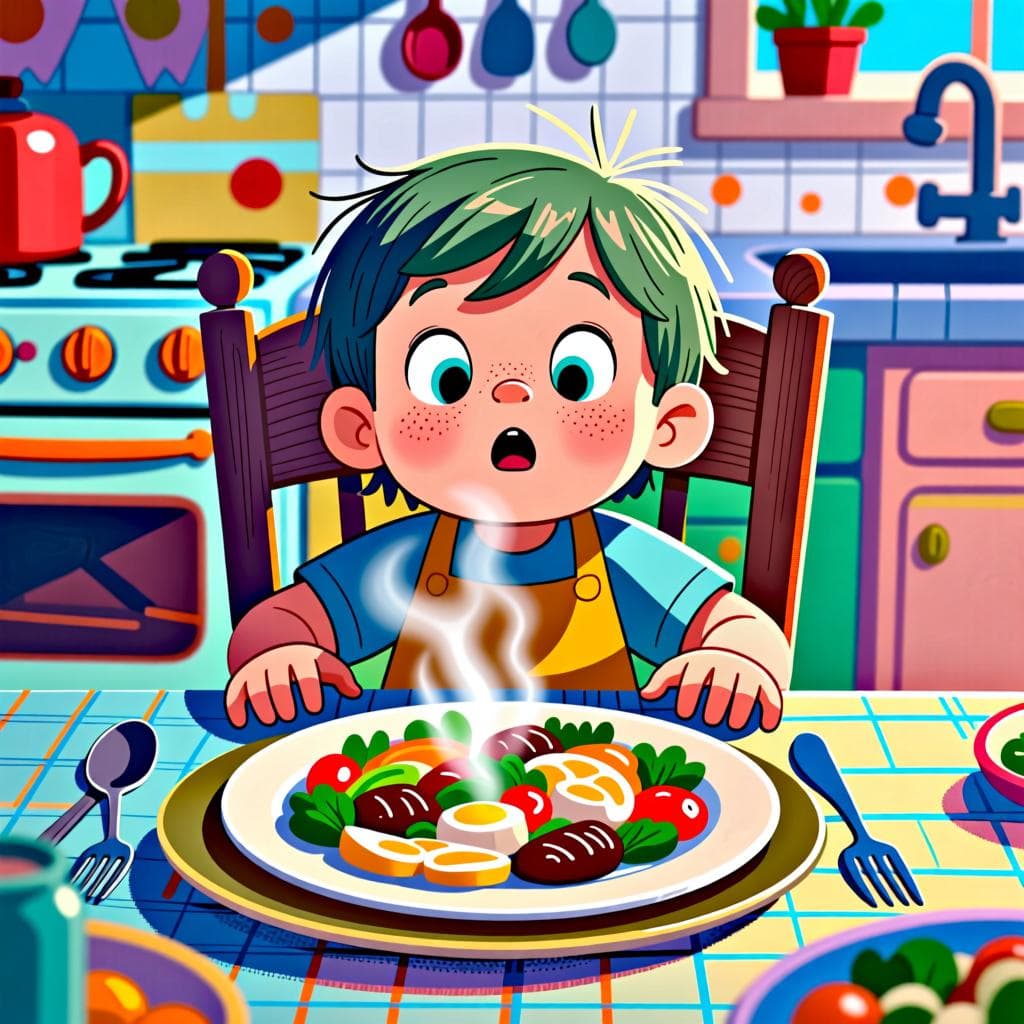
still

📝 In Action
Todavía estoy en el trabajo.
A1I'm still at work.
¿Vives todavía en la misma casa?
A1Do you still live in the same house?
Mi abuela todavía recuerda las canciones de su niñez.
A2My grandma still remembers the songs from her childhood.
Word Connections
yet

📝 In Action
Todavía no he comido.
A2I haven't eaten yet.
¿Por qué no me has llamado todavía?
A2Why haven't you called me yet?
El paquete todavía no ha llegado.
B1The package hasn't arrived yet.
Word Connections
evenAlso: still
📝 In Action
La película fue buena, pero el libro es todavía mejor.
B2The movie was good, but the book is even better.
Si crees que eso es difícil, el próximo nivel es todavía más complicado.
B2If you think that's difficult, the next level is even more complicated.
Ahorró mucho dinero, pero todavía necesita más para comprar la casa.
B1He saved a lot of money, but he still needs more to buy the house.
Word Connections
🔀 Commonly Confused With
✏️ Quick Practice
Quick Quiz: todavía
Question 1 of 2
Which sentence correctly says 'This pizza is good, but that one is even better'?
📚 More Resources
🎵 Rhymes
📚 Etymology
Comes from the Old Spanish phrase 'tota via', from Latin. 'Tota' meant 'all' or 'entire' and 'via' meant 'way'. So, it originally meant something like 'all the way' or 'always', which evolved into its modern meaning of 'still' or 'continuing'.
First recorded: 12th century
Cognates (Related words)
💡 Master Spanish
Take your Spanish to the next level. Read 200+ illustrated and narrated Spanish stories tailored to your level with the Inklingo app!
Frequently Asked Questions
What's the difference between 'todavía' and 'aún'?
In most situations, they mean the exact same thing and you can swap them freely! Both can mean 'still', 'yet', or 'even'. Sometimes, 'aún' can feel a little more formal or poetic, but for everyday conversation, they are perfect synonyms.
So 'todavía' and 'ya' are opposites?
Exactly! Think of them as a pair with opposite meanings. 'Todavía' is for things that are continuing ('Todavía llueve' - It's still raining). 'Ya' is for things that have started or finished ('Ya empezó' - It already started). And 'ya no' is for things that have stopped ('Ya no llueve' - It's not raining anymore).