tormentas
“tormentas” means “storms” in Spanish. It has 2 different meanings depending on context:


storms
Also: thunderstorms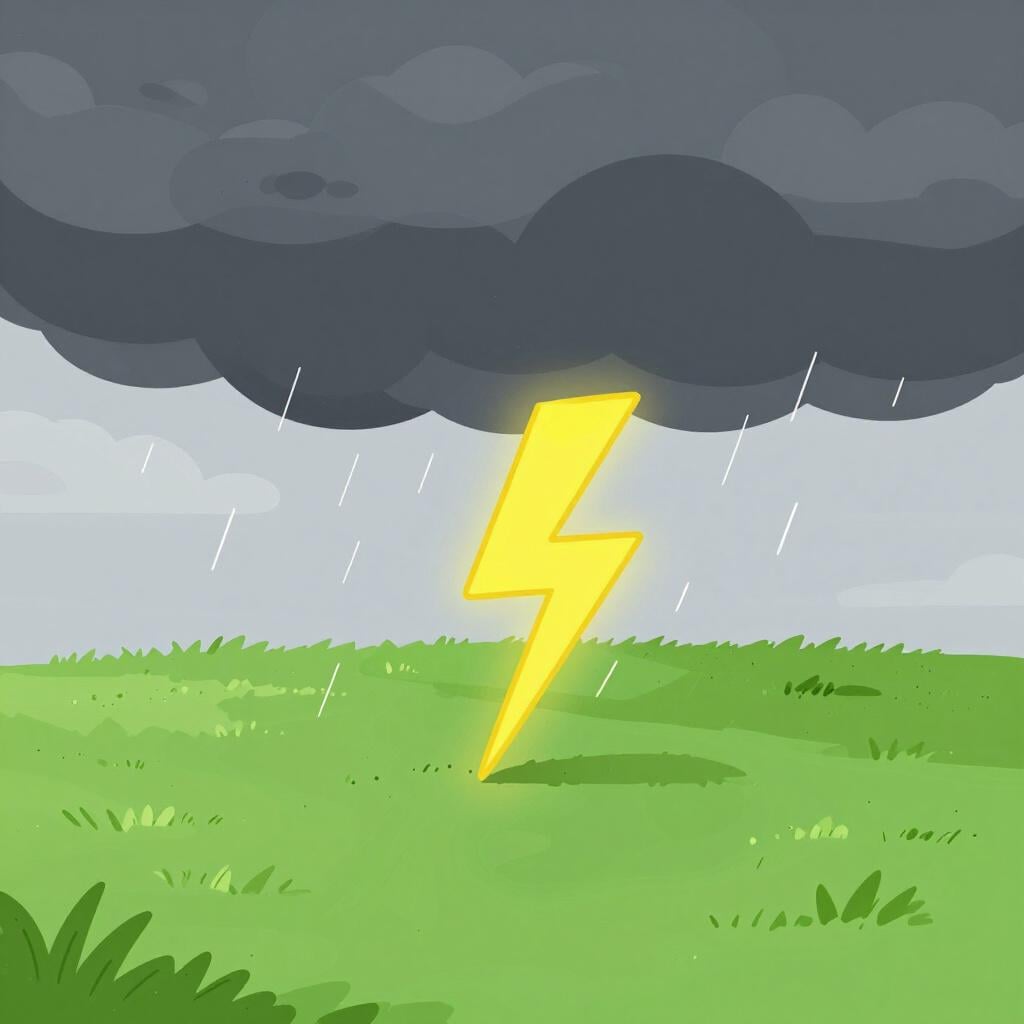
📝 In Action
Las tormentas de verano suelen ser muy fuertes.
A1Summer storms are usually very strong.
Se escuchan los truenos de las tormentas a lo lejos.
A2You can hear the thunder from the storms in the distance.
turmoil
Also: upheavals
📝 In Action
Después de muchas tormentas personales, por fin encontró la paz.
B2After many personal turmoils, he finally found peace.
El país ha superado grandes tormentas políticas.
C1The country has overcome great political upheavals.
Translate to Spanish
✏️ Quick Practice
Quick Quiz: tormentas
Question 1 of 2
Which of these is the correct way to say 'The storms are loud'?
📚 More Resources
👥 Word Family▼
🎵 Rhymes▼
📚 Etymology▼
From the Latin word 'tormentum,' which originally described a machine used to twist or hurl stones in war. Later, it was used to describe the 'twisting' or violent nature of severe weather.
First recorded: 13th century
Cognates (Related words)
💡 Master Spanish
Take your Spanish to the next level. Read 200+ illustrated and narrated Spanish stories tailored to your level with the Inklingo app!
Frequently Asked Questions
Is 'tormentas' only for rain?
Not necessarily. While it usually implies rain, a 'tormenta de nieve' is a snowstorm and a 'tormenta de arena' is a sandstorm.
Can I use 'tormentas' to describe a person?
Usually, we use the adjective 'tormentoso' to describe a person's character or a relationship, but you can say someone 'trae tormentas' (brings storms) to mean they bring trouble.