transporte
“transporte” means “transport” in Spanish. It has 3 different meanings depending on context:

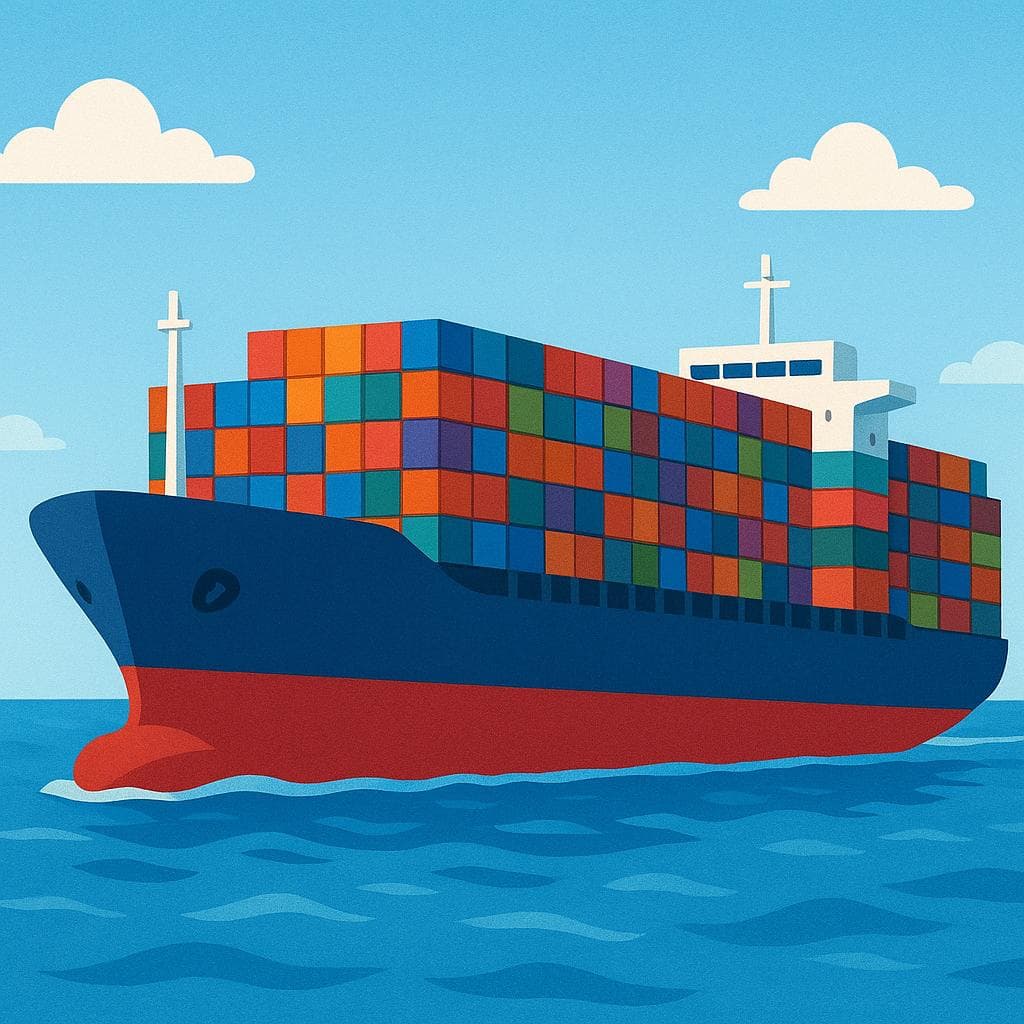

transport, transportation
Also: public transit
📝 In Action
¿Qué transporte usamos para ir al aeropuerto?
A1What transport should we use to go to the airport?
El transporte público en esta ciudad es excelente.
A2Public transportation in this city is excellent.
Siempre viajo en mi propio transporte.
A2I always travel in my own transport (vehicle).
shipping, conveyance
Also: freight
📝 In Action
El coste del transporte de la mercancía subió este año.
B1The cost of shipping the merchandise went up this year.
La compañía se especializa en transporte terrestre.
B2The company specializes in ground conveyance (shipping).
rapture, ecstasy

📝 In Action
El público estalló en un transporte de admiración al final de la obra.
C1The audience erupted in a transport of admiration at the end of the play.
Translate to Spanish
Words that translate to "transporte" in Spanish:
conveyance→ecstasy→freight→public transit→rapture→shipping→transport→transportation→✏️ Quick Practice
Quick Quiz: transporte
Question 1 of 2
Which sentence uses 'transporte' in its most common, A1-level meaning?
📚 More Resources
👥 Word Family▼
📚 Etymology▼
Comes from the Latin verb *transportare*, meaning 'to carry across' or 'to move from one place to another.' It is formed by combining the prefix *trans-* (across) and *portare* (to carry).
First recorded: 15th century (as a concept in Spanish)
Cognates (Related words)
💡 Master Spanish
Take your Spanish to the next level. Read 200+ illustrated and narrated Spanish stories tailored to your level with the Inklingo app!
Frequently Asked Questions
Is 'transporte' masculine or feminine?
It is always masculine. You must use 'el transporte' or 'un transporte' when referring to it.
How is 'transporte' different from 'transportación'?
'Transporte' is more common and usually refers to the system, the vehicle, or the act itself (e.g., 'public transport'). 'Transportación' is less common, especially in Spain, and often refers to the broad concept or industry of moving things, similar to the abstract English word 'transportation'.