How to Say "freight" in Spanish
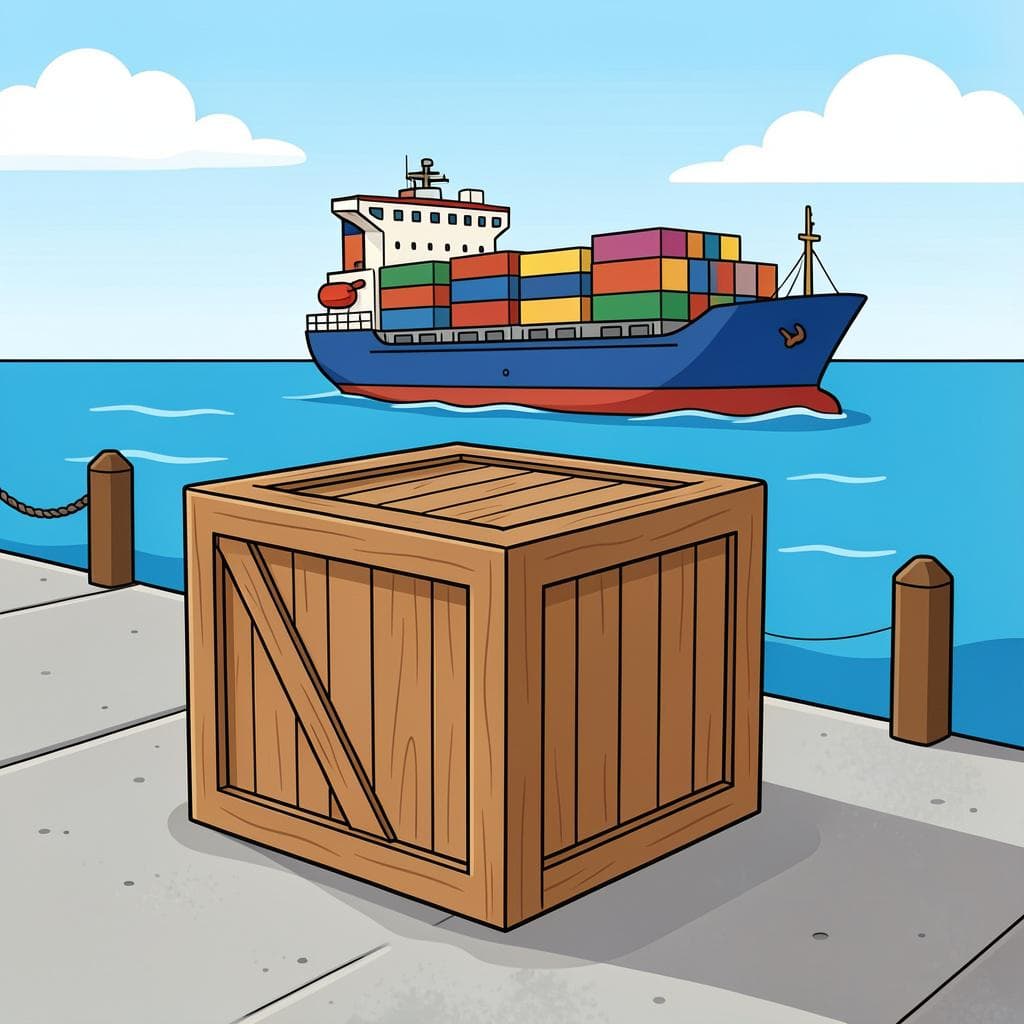
The most common Spanish word for “freight” is “mercancía” — use 'mercancía' when referring to the specific items or goods being shipped, especially in a commercial context like a store receiving stock.



mercancía
Examples
La tienda recibió un nuevo envío de mercancía esta mañana.
The store received a new shipment of merchandise this morning.
cargo
KAR-goˈkaɾɣo

Examples
El barco llegó al puerto con un cargo de plátanos.
The ship arrived at the port with a cargo of bananas.
El cargo aéreo es más rápido pero más caro.
Air freight is faster but more expensive.
Using 'cargo' for any load
Mistake: “Puse el cargo de ropa en la lavadora.”
Correction: Puse la carga de ropa en la lavadora. Use 'carga' for a general 'load' (like laundry or groceries). 'Cargo' is usually for commercial goods being transported.
cargamento
kar-gah-MEN-tohkaɾɣaˈmento
Examples
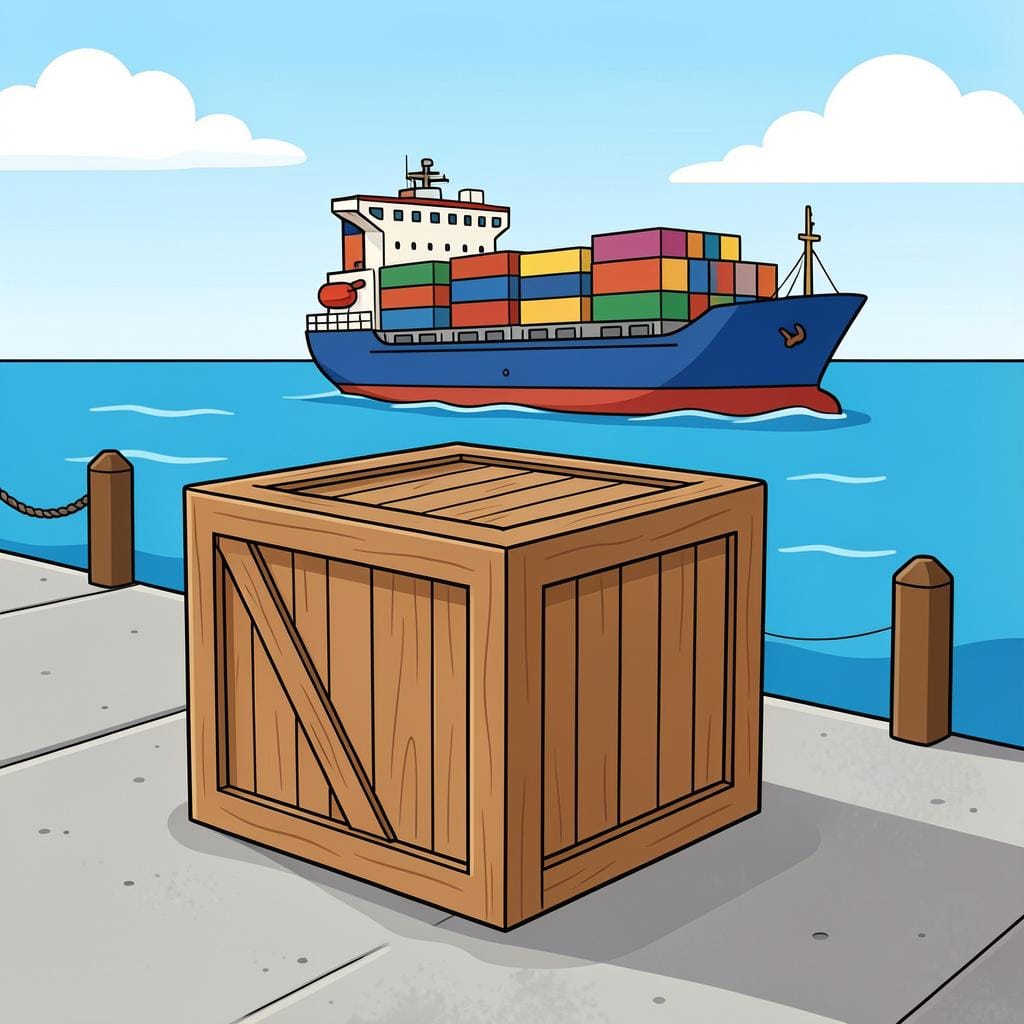
El barco llegó al puerto con un cargamento de café.
The ship arrived at the port with a cargo of coffee.
Estamos esperando un gran cargamento de suministros médicos.
We are waiting for a large shipment of medical supplies.
La policía interceptó un cargamento ilegal en la frontera.
The police intercepted an illegal shipment at the border.
Always Masculine
Cargamento ends in '-o', so it is almost always masculine. Use 'el' or 'un' before it.
Result Noun
The suffix '-mento' is added to verbs (like 'cargar') to name the result of that action.
Cargamento vs. Cargo
Mistake: “Using 'cargamento' to mean a job position.”
Correction: Use 'cargo' for a job title or fee, and 'cargamento' for physical goods being moved.
porte
POHR-tehˈpoɾte

Examples
¿El precio del sofá incluye el porte?
Does the price of the sofa include shipping?
Los portes de la mudanza fueron más caros de lo esperado.
The moving costs were more expensive than expected.
Recibí el paquete a portes debidos.
I received the package with shipping costs due (pay on delivery).
Singular vs. Plural
In Spain, it is very common to use the plural form 'los portes' when talking about shipping fees on an invoice.
Confusion with 'Portar'
Mistake: “Thinking 'porte' is only a verb.”
Correction: While it can be a verb form, in commerce it is almost always a noun meaning 'shipping cost'.
transporte
trans-POR-tetɾansˈpoɾte

Examples
El coste del transporte de la mercancía subió este año.
The cost of shipping the merchandise went up this year.
La compañía se especializa en transporte terrestre.
The company specializes in ground conveyance (shipping).
Goods vs. The Act of Shipping
Learn Spanish with Inklingo
Interactive stories, personalized learning, and more.