How to Say "shipment" in Spanish
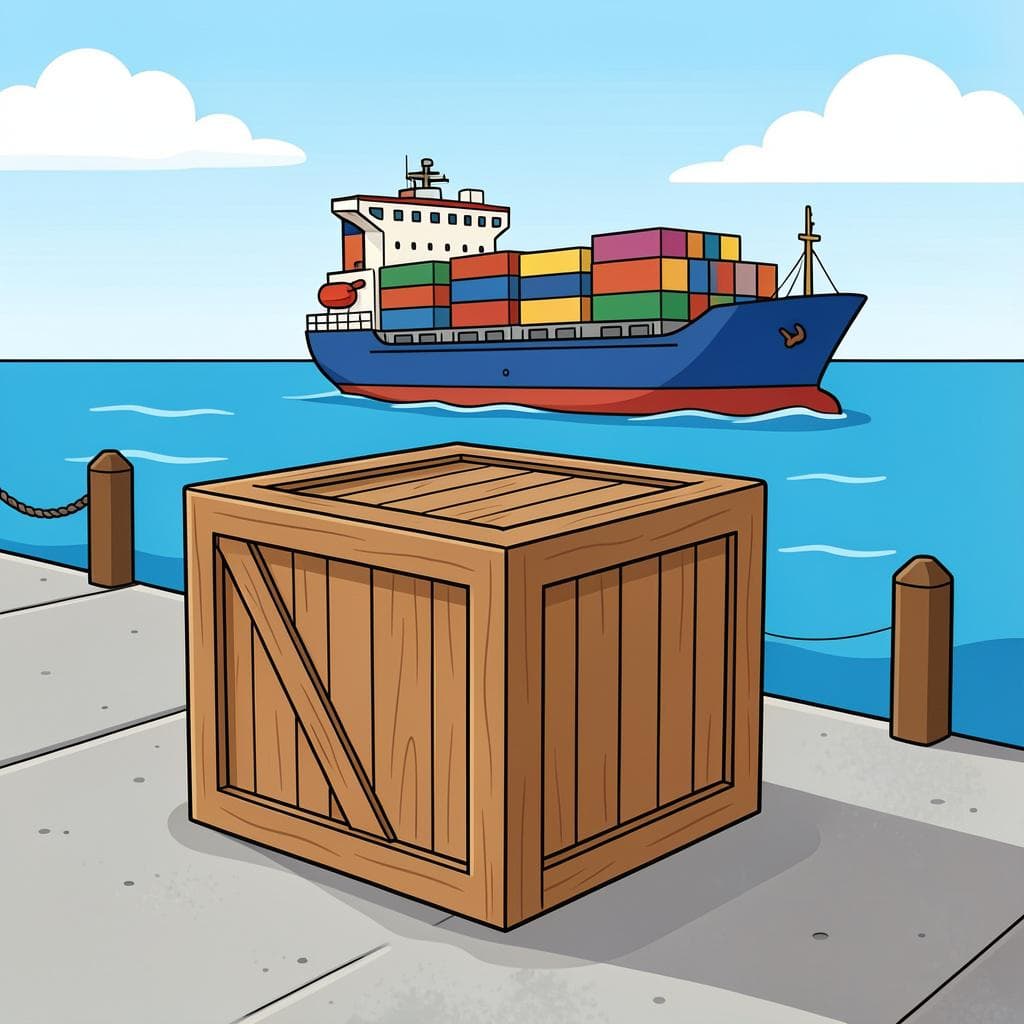
The most common Spanish word for “shipment” is “envío” — use 'envío' when referring to the actual package or item being sent, or the cost associated with sending it.





envío
Examples
¿Cuánto cuesta el envío a mi país?
How much does the shipment/delivery cost to my country?
entrega
en-TREH-gahenˈtɾe.ɣa

Examples
La entrega de mi paquete está programada para mañana.
The delivery of my package is scheduled for tomorrow.
Necesito firmar la entrega de estos documentos importantes.
I need to sign for the handover of these important documents.
Gender Reminder
Remember that 'entrega' is always a feminine noun, so you use 'la' or 'una' with it.
pedido
peh-DEE-dohpeˈðiðo

Examples
Mi pedido de zapatos llega mañana por la tarde.
My shoe order arrives tomorrow afternoon.
¿Está listo el pedido para que lo recoja?
Is the order ready for me to pick up?
Tenemos muchos pedidos pendientes esta semana.
We have many pending orders this week.
Always Masculine
Even though 'order' in English sometimes feels like a general concept, in Spanish, 'pedido' is always treated as masculine (el pedido).
cargo
KAR-goˈkaɾɣo

Examples
El barco llegó al puerto con un cargo de plátanos.
The ship arrived at the port with a cargo of bananas.
El cargo aéreo es más rápido pero más caro.
Air freight is faster but more expensive.
Using 'cargo' for any load
Mistake: “Puse el cargo de ropa en la lavadora.”
Correction: Puse la carga de ropa en la lavadora. Use 'carga' for a general 'load' (like laundry or groceries). 'Cargo' is usually for commercial goods being transported.
cargamento
kar-gah-MEN-tohkaɾɣaˈmento
Examples
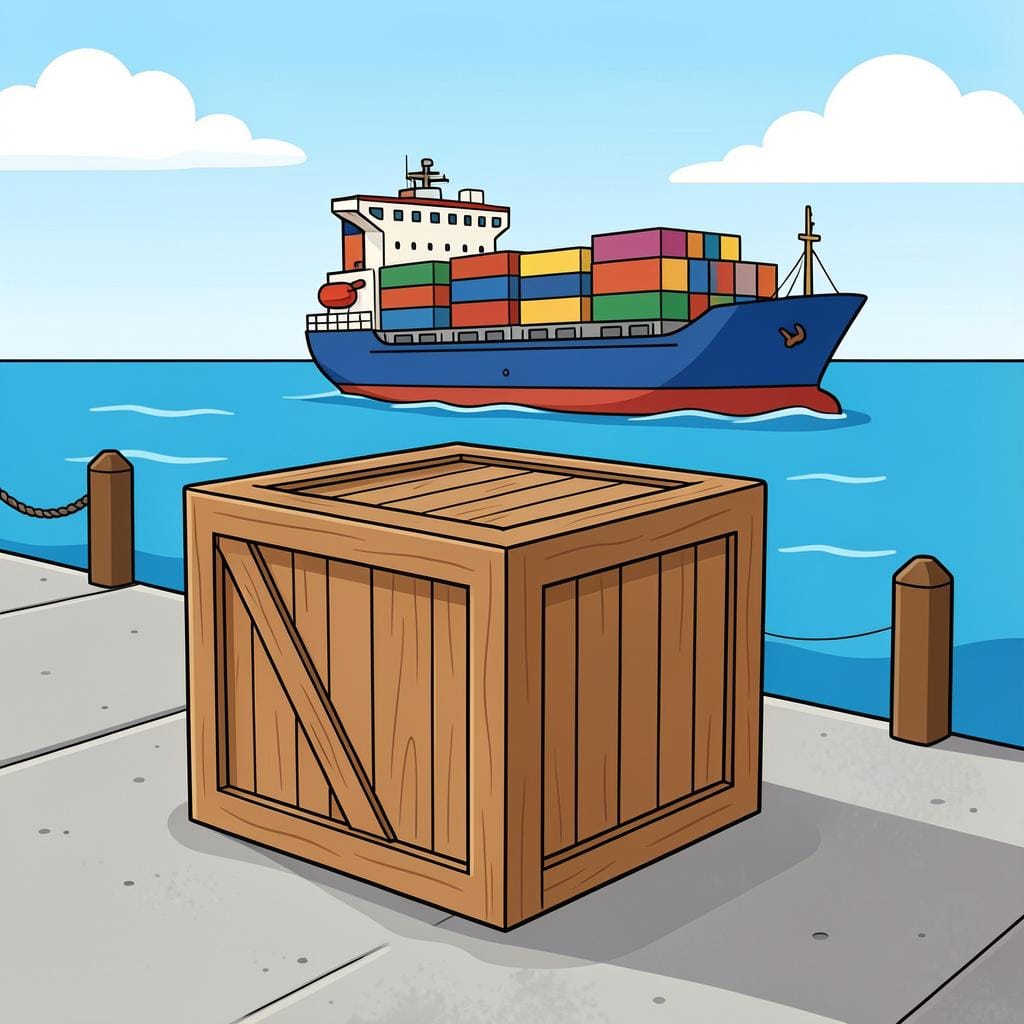
El barco llegó al puerto con un cargamento de café.
The ship arrived at the port with a cargo of coffee.
Estamos esperando un gran cargamento de suministros médicos.
We are waiting for a large shipment of medical supplies.
La policía interceptó un cargamento ilegal en la frontera.
The police intercepted an illegal shipment at the border.
Always Masculine
Cargamento ends in '-o', so it is almost always masculine. Use 'el' or 'un' before it.
Result Noun
The suffix '-mento' is added to verbs (like 'cargar') to name the result of that action.
Cargamento vs. Cargo
Mistake: “Using 'cargamento' to mean a job position.”
Correction: Use 'cargo' for a job title or fee, and 'cargamento' for physical goods being moved.
despacho
des-PAH-chohdesˈpatʃo

Examples
El despacho de la mercancía se retrasó por la aduana.
The dispatch (shipment) of the merchandise was delayed by customs.
Contratamos un despacho de arquitectura muy prestigioso.
We hired a very prestigious architecture firm.
Action Noun
In this sense, 'despacho' means the action of 'despachar' (to send or attend to), turning a verb action into a masculine noun.
embarque
em-BAR-kehemˈbaɾke

Examples
Estamos esperando un gran embarque de café desde Colombia.
We are expecting a large shipment of coffee from Colombia.
El embarque de la mercancía se completará mañana por la tarde.
The loading of the merchandise will be completed tomorrow afternoon.
Hubo un retraso en el embarque por falta de personal.
There was a delay in the shipment due to a lack of staff.
Specific Contexts
Use this word when goods are moved by sea or large-scale transport rather than a simple envelope or small box.
Focusing on the 'What' vs. the 'How'
Related Translations
Learn Spanish with Inklingo
Interactive stories, personalized learning, and more.