How to Say "cargo" in Spanish
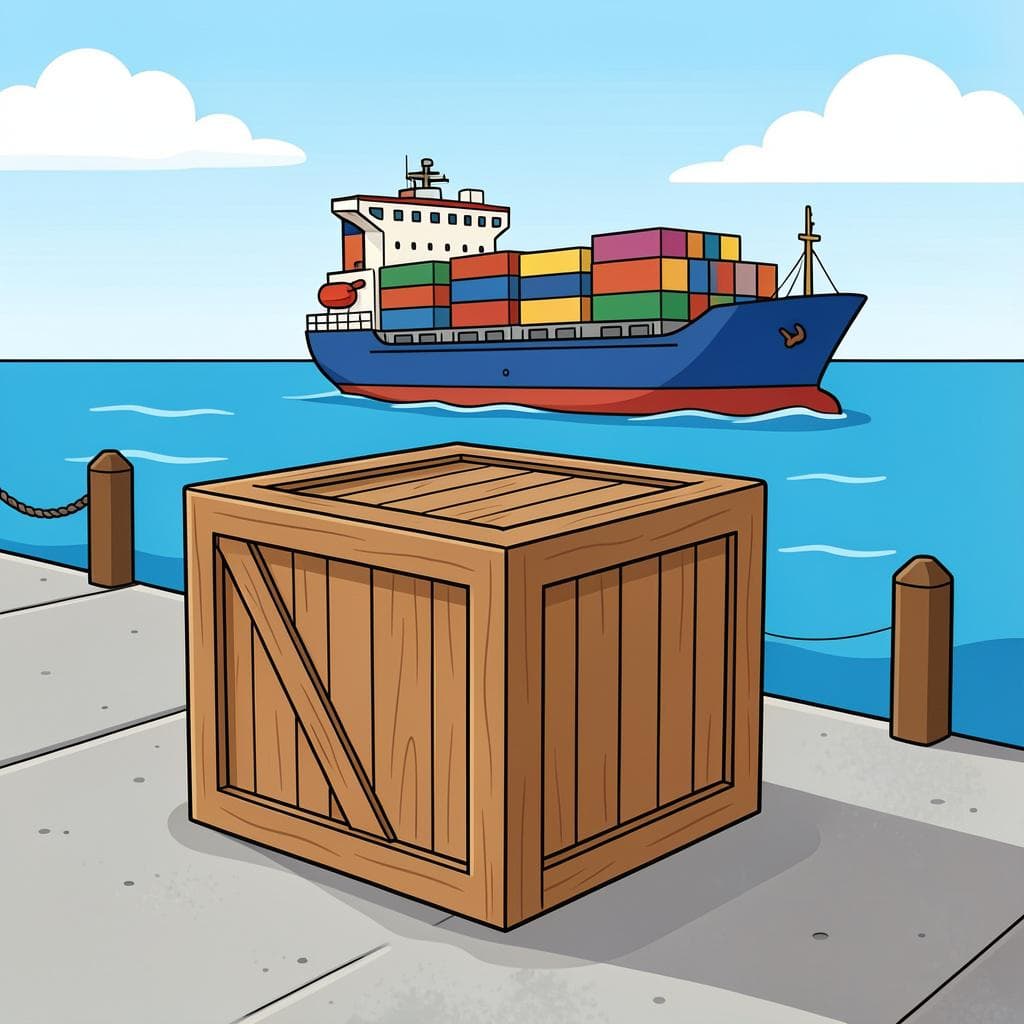
The most common Spanish word for “cargo” is “cargo” — use 'cargo' for a general term for goods being transported by ship, plane, or truck, especially when the focus is on the load itself.


cargo
KAR-goˈkaɾɣo

Examples
El camión transportaba un cargo de muebles.
The truck was carrying a cargo of furniture.
El barco llegó al puerto con un cargo de plátanos.
The ship arrived at the port with a cargo of bananas.
El cargo aéreo es más rápido pero más caro.
Air freight is faster but more expensive.
Using 'cargo' for any load
Mistake: “Puse el cargo de ropa en la lavadora.”
Correction: Puse la carga de ropa en la lavadora. Use 'carga' for a general 'load' (like laundry or groceries). 'Cargo' is usually for commercial goods being transported.
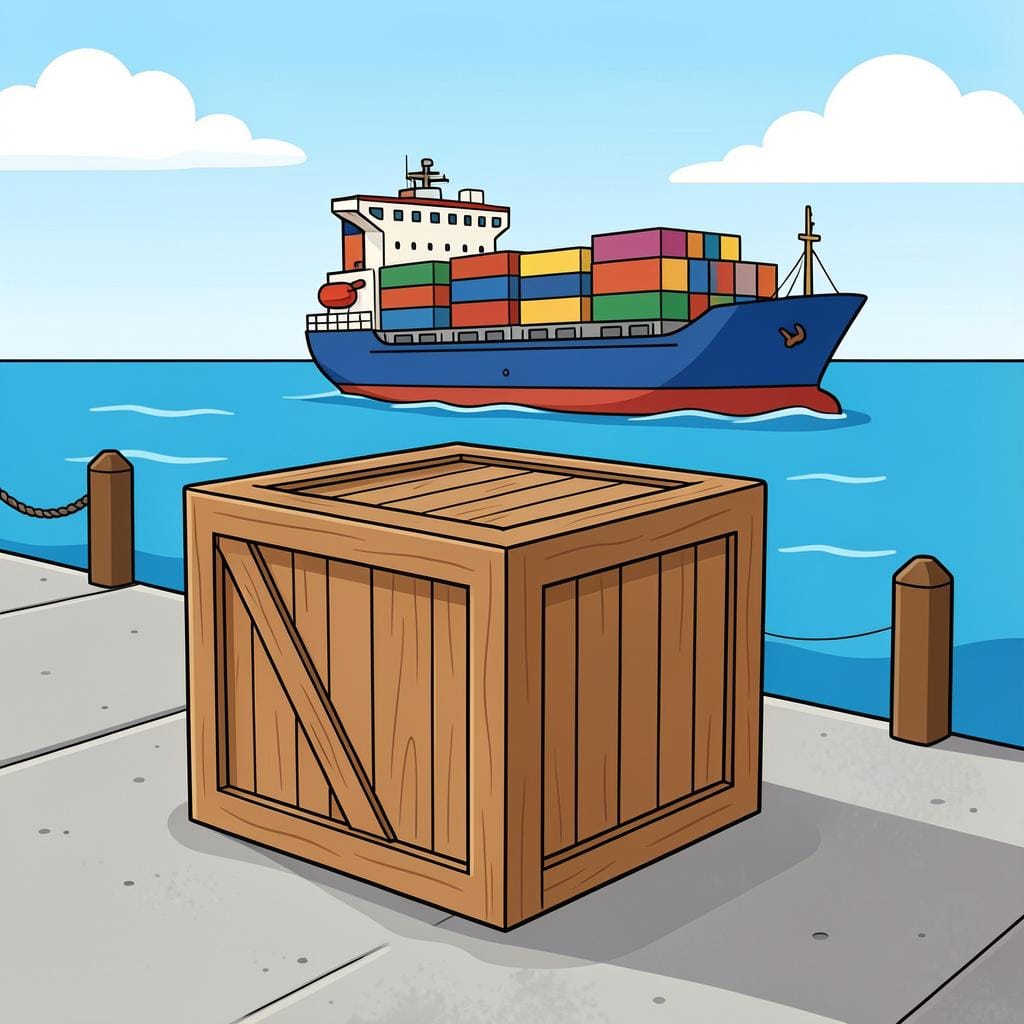
cargamento
kar-gah-MEN-tohkaɾɣaˈmento
Examples
El cargamento de vino español se vendió rápidamente.
The cargo of Spanish wine sold quickly.
El barco llegó al puerto con un cargamento de café.
The ship arrived at the port with a cargo of coffee.
Estamos esperando un gran cargamento de suministros médicos.
We are waiting for a large shipment of medical supplies.
La policía interceptó un cargamento ilegal en la frontera.
The police intercepted an illegal shipment at the border.
Always Masculine
Cargamento ends in '-o', so it is almost always masculine. Use 'el' or 'un' before it.
Result Noun
The suffix '-mento' is added to verbs (like 'cargar') to name the result of that action.
Cargamento vs. Cargo
Mistake: “Using 'cargamento' to mean a job position.”
Correction: Use 'cargo' for a job title or fee, and 'cargamento' for physical goods being moved.
embarque
em-BAR-kehemˈbaɾke

Examples
Revisamos la lista de embarque antes de salir.
We checked the shipping manifest before leaving.
Estamos esperando un gran embarque de café desde Colombia.
We are expecting a large shipment of coffee from Colombia.
El embarque de la mercancía se completará mañana por la tarde.
The loading of the merchandise will be completed tomorrow afternoon.
Hubo un retraso en el embarque por falta de personal.
There was a delay in the shipment due to a lack of staff.
Specific Contexts
Use this word when goods are moved by sea or large-scale transport rather than a simple envelope or small box.
Cargo vs. Cargamento vs. Embarque
Learn Spanish with Inklingo
Interactive stories, personalized learning, and more.