vacía
“vacía” means “empty” in Spanish. It has 2 different meanings depending on context:
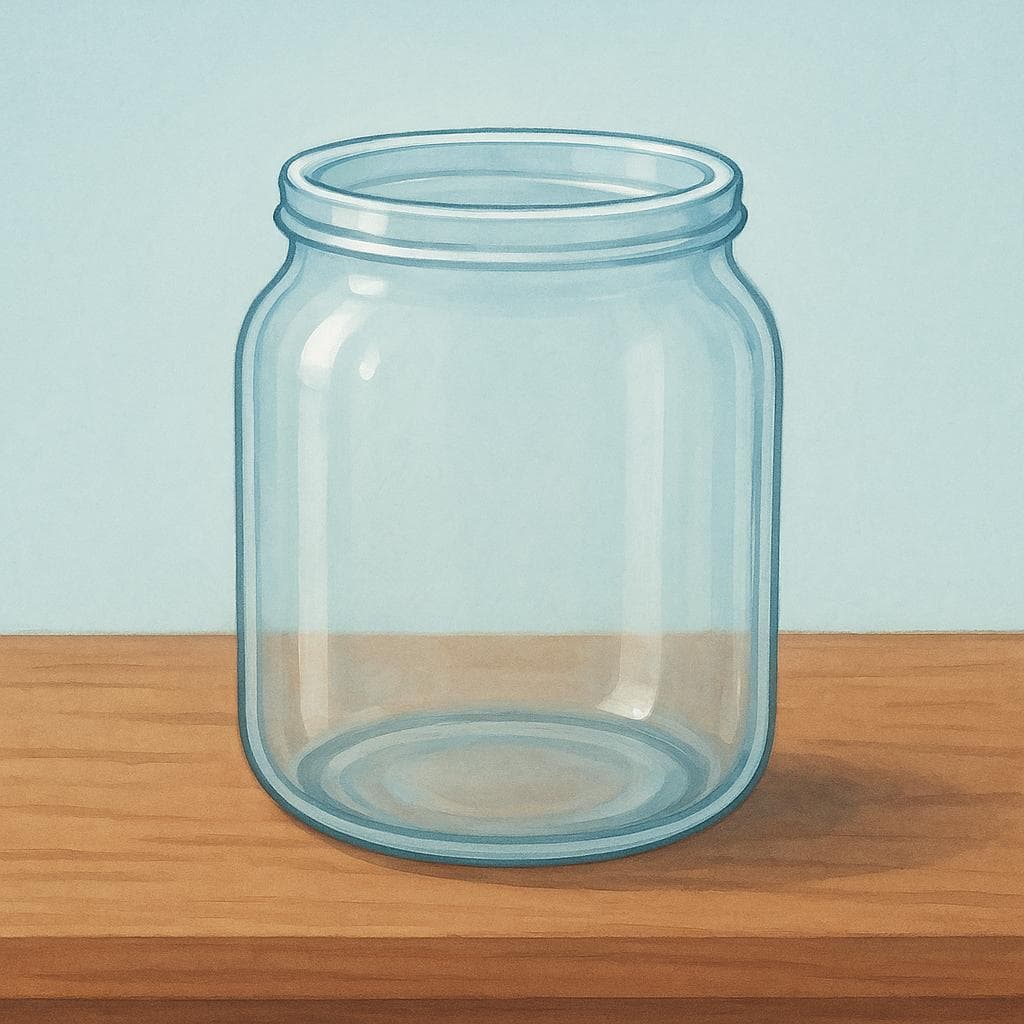
empty
Also: vacant, hollow
📝 In Action
La botella de agua está completamente vacía.
A1The water bottle is completely empty.
La casa se sentía muy vacía después de que se fueron todos.
A2The house felt very empty after everyone left.
Encontraron la caja fuerte vacía después del robo.
B1They found the safe empty after the robbery.
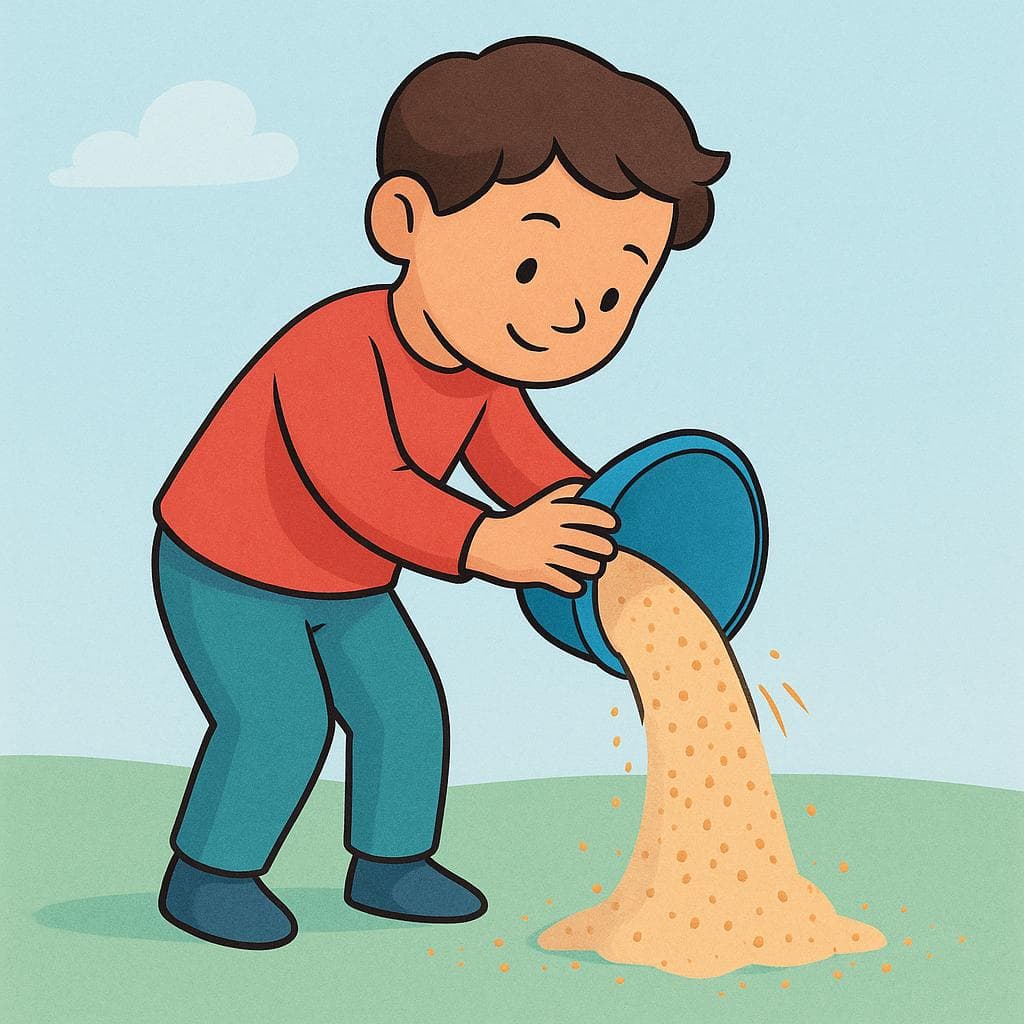
empties, empty (command)

📝 In Action
Ella vacía el tazón de leche para el gato.
A2She empties the bowl of milk for the cat.
Siéntate y vacía tu mente de preocupaciones.
B2Sit down and empty your mind of worries.
¡Vacía la caja de herramientas y revísala!
B1Empty the toolbox and check it!
Indicative
Present
Imperfect
Preterite
Subjunctive
Present Subjunctive
Imperfect Subjunctive
Translate to Spanish
Words that translate to "vacía" in Spanish:
empties→✏️ Quick Practice
Quick Quiz: vacía
Question 1 of 2
Which sentence uses 'vacía' as a command?
📚 More Resources
👥 Word Family▼
🎵 Rhymes▼
📚 Etymology▼
Comes directly from the Latin word *vacīvus*, meaning 'empty' or 'free from.' The sound shift and accent mark developed in Spanish to maintain the distinct vowel sound, emphasizing the root meaning.
First recorded: 13th century
Cognates (Related words)
💡 Master Spanish
Take your Spanish to the next level. Read 200+ illustrated and narrated Spanish stories tailored to your level with the Inklingo app!
Frequently Asked Questions
Why does 'vacía' have an accent mark?
The accent mark on the 'i' forces the two vowels (i-a) to be pronounced separately, creating a strong 'EE-ah' sound. This is essential to distinguish it from words where the vowels blend together.
What is the difference between 'vacía' (adjective) and 'vacío'?
'Vacía' is the feminine form, used for feminine objects (la caja vacía). 'Vacío' is the masculine form, used for masculine objects (el vaso vacío). They both mean 'empty.'