vergüenza
“vergüenza” means “embarrassment” in Spanish. It has 2 different meanings depending on context:
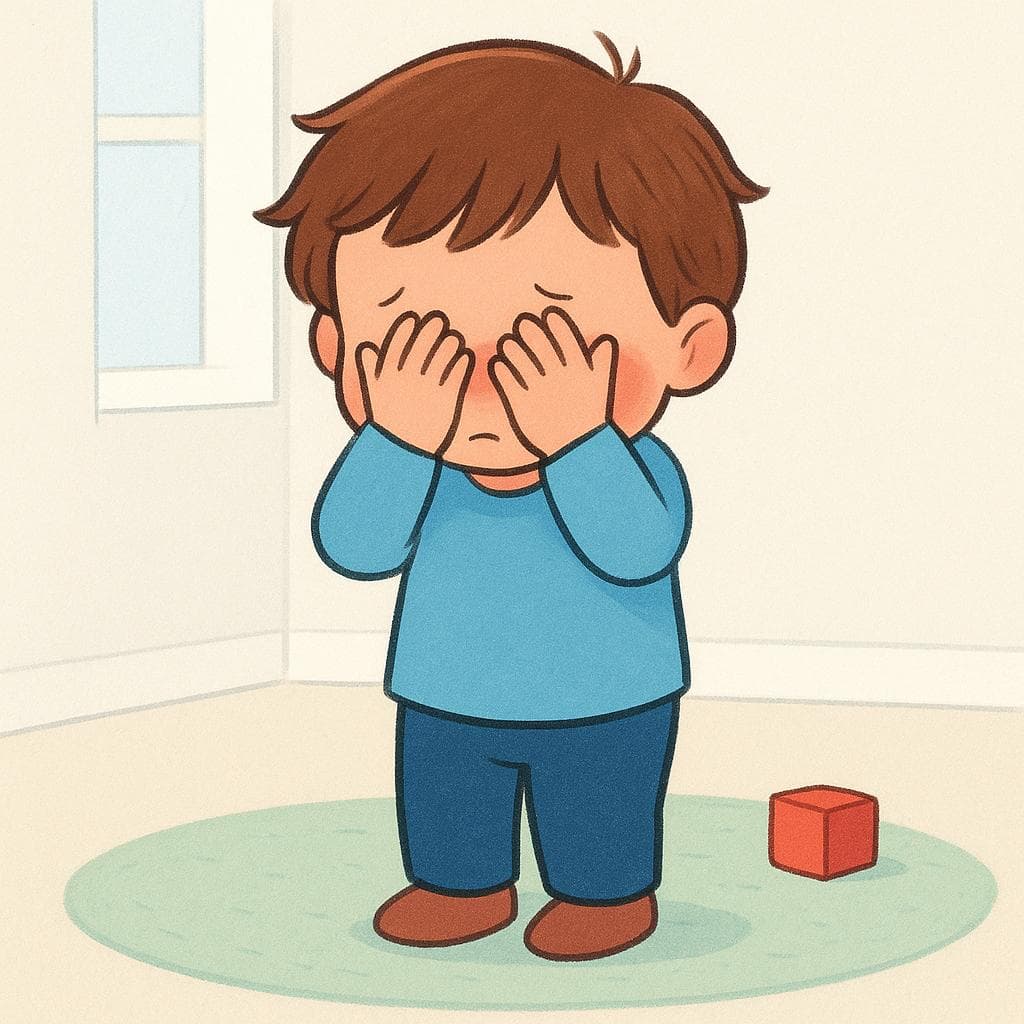

embarrassment, shameAlso: modesty
📝 In Action
Me dio mucha vergüenza hablar en público por primera vez.
A2I felt a lot of embarrassment speaking in public for the first time.
Ocultó su cara roja por la vergüenza.
A1She hid her red face out of shame/embarrassment.
Si no tienes vergüenza de bailar mal, ¡simplemente baila!
B1If you have no shame about dancing badly, just dance!
Word Connections
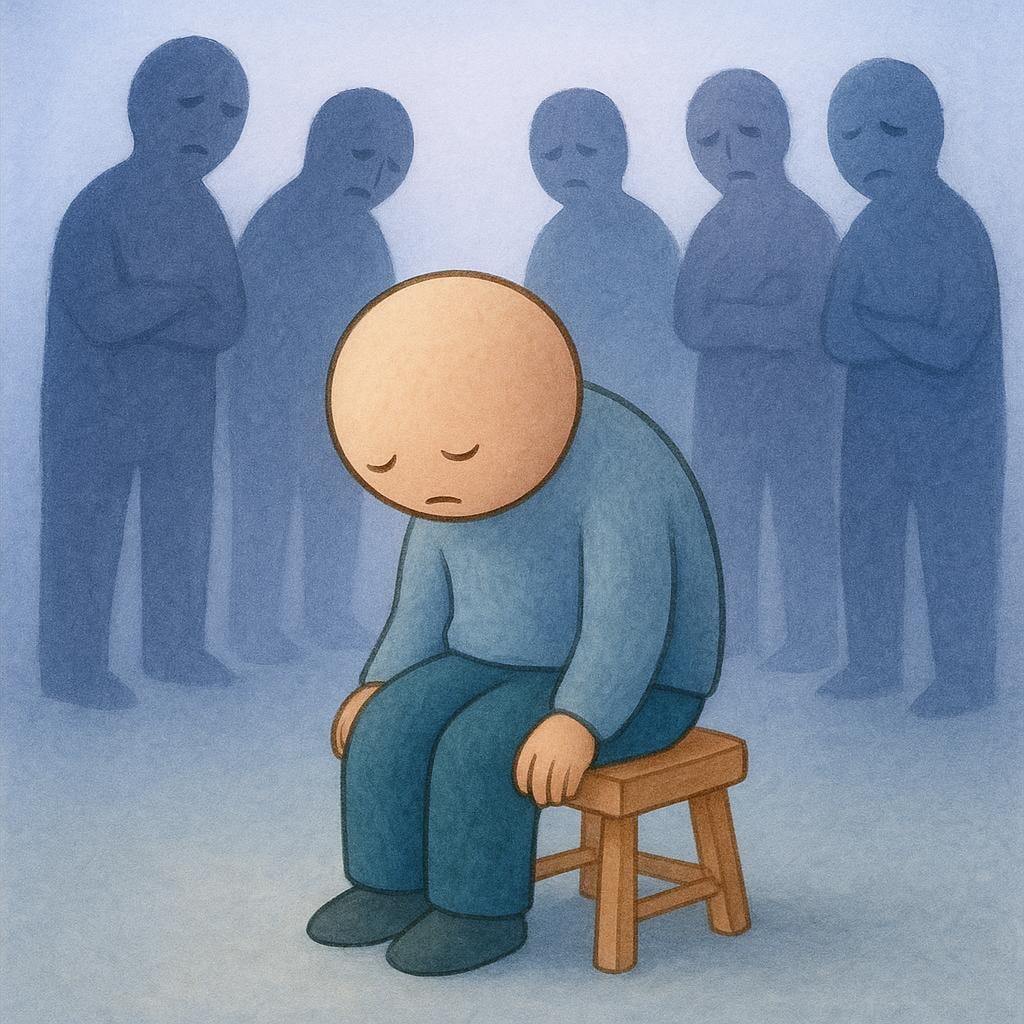
disgrace, shamelessnessAlso: scandal
📝 In Action
Es una vergüenza que los niños pasen hambre en este país tan rico.
B1It is a disgrace/shame that children go hungry in such a rich country.
Mi vecino, sinvergüenza, tiró su basura en mi jardín.
B2My shameless neighbor threw his trash in my garden.
Word Connections
Translate to Spanish
Words that translate to "vergüenza" in Spanish:
✏️ Quick Practice
Quick Quiz: vergüenza
Question 1 of 2
Which verb is correctly used to describe the feeling of embarrassment using 'vergüenza'?
📚 More Resources
👥 Word Family
🎵 Rhymes
📚 Etymology
Comes from the Old Spanish word *vergonça*, which itself derived from the Latin term *verecundia*, meaning 'modesty' or 'shame'. It shares roots with the Latin verb *vereri*, which meant 'to respect' or 'to fear,' linking the feeling of shame to respect for social rules.
First recorded: Around the 13th century
Cognates (Related words)
💡 Master Spanish
Take your Spanish to the next level. Read 200+ illustrated and narrated Spanish stories tailored to your level with the Inklingo app!
Frequently Asked Questions
How is 'vergüenza' different from 'pena'?
'Vergüenza' is usually about humiliation, social discomfort, or a feeling tied to one's actions or reputation. 'Pena' is softer; it can mean 'pity,' 'sadness,' or a slight, fleeting feeling of shyness or embarrassment. If you blush and want to hide, you feel 'vergüenza'; if you feel bad for someone else's misfortune, you feel 'pena'.
What is the small mark over the 'u' in 'vergüenza'?
That mark is called a 'diéresis' (or umlaut). It tells you that the 'u' must be pronounced. Without the diéresis (e.g., 'verguenza'), the 'u' would be silent, making it sound like 'ver-GEN-sa.' The diéresis makes sure you pronounce the 'GWEN' sound.