avergonzar
“avergonzar” means “to embarrass” in Spanish. It has 2 different meanings depending on context:
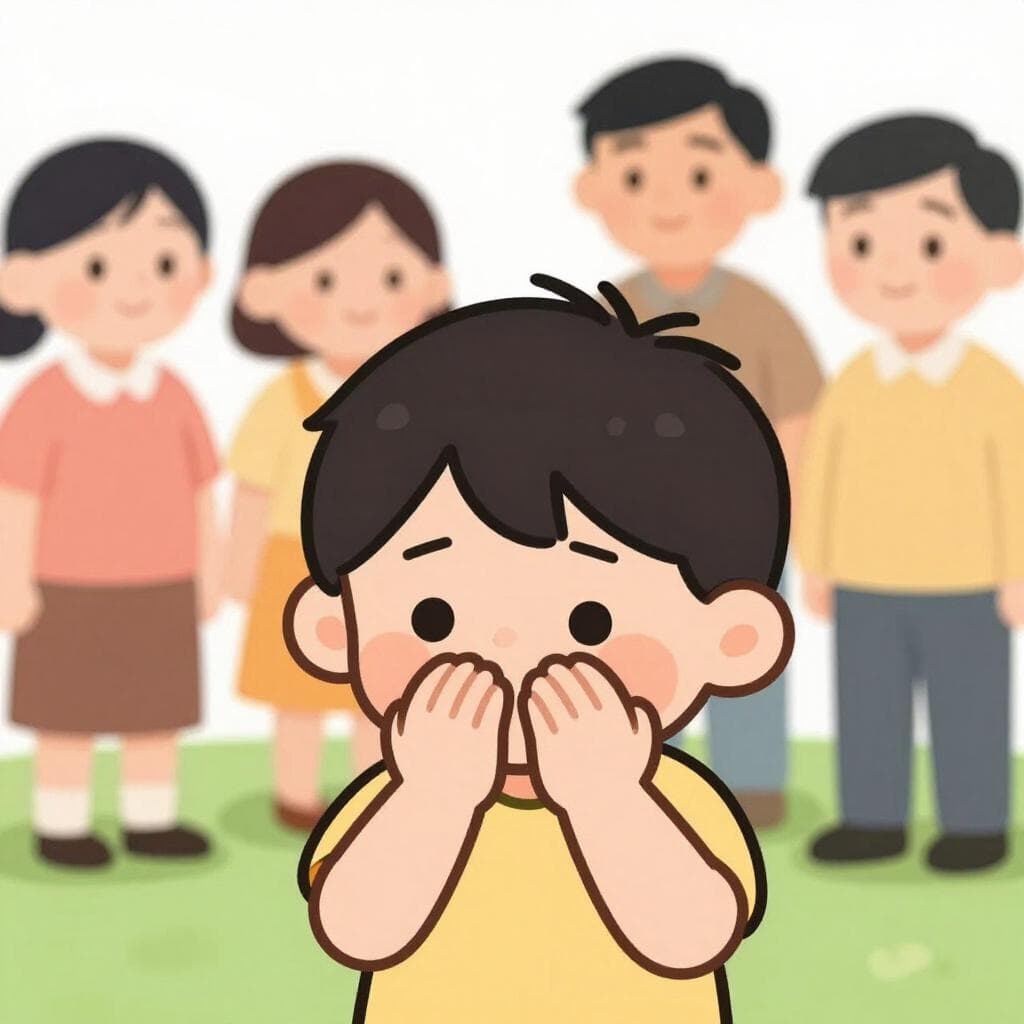
to embarrass
Also: to shame
📝 In Action
Por favor, no me avergüences delante de mis amigos.
A2Please, don't embarrass me in front of my friends.
Sus mentiras avergonzaron a toda su familia.
B1His lies shamed his entire family.
Me avergüenza admitir que no he terminado el libro.
B2It embarrasses me to admit that I haven't finished the book.
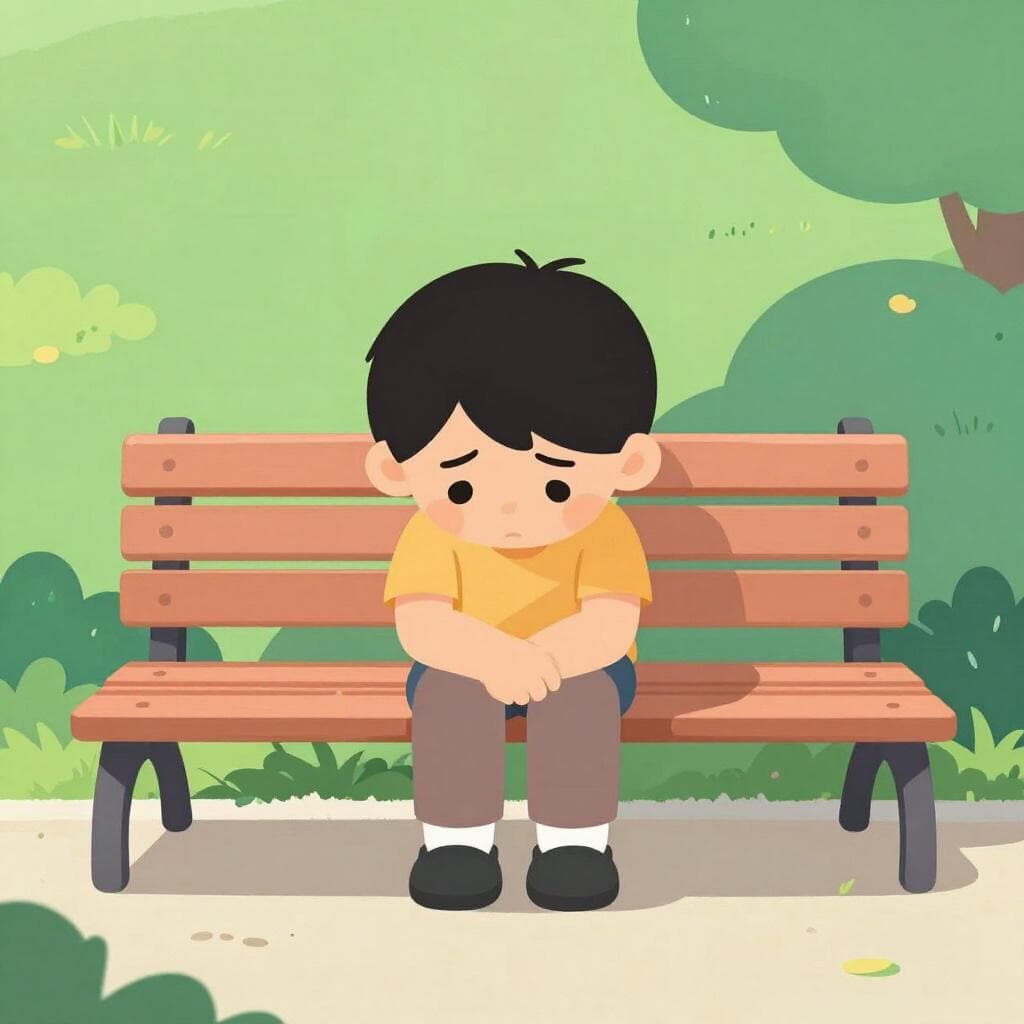
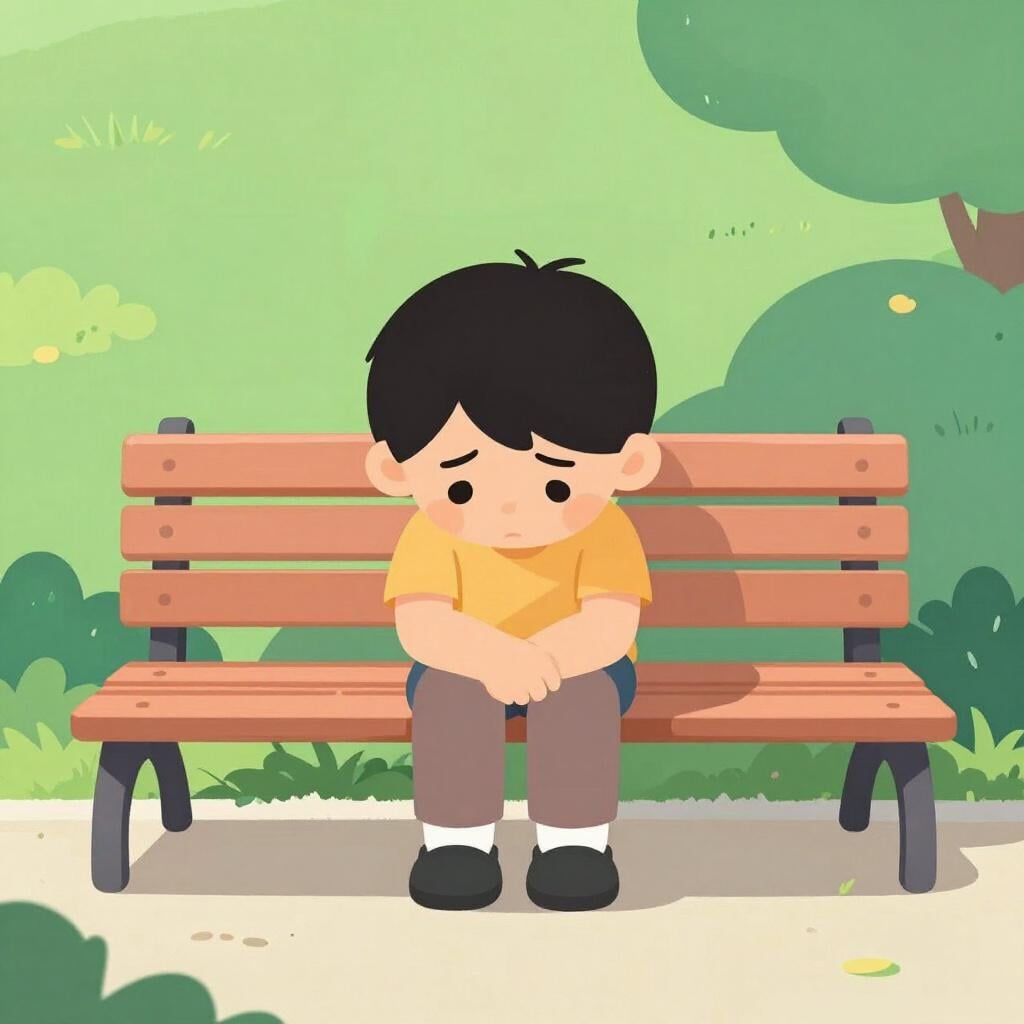
to feel ashamed, to be embarrassed
📝 In Action
Me avergüenzo de lo que dije ayer.
B1I feel ashamed of what I said yesterday.
Ella se avergüenza cuando tiene que hablar en público.
B1She gets embarrassed when she has to speak in public.
Subjunctive
Imperfect Subjunctive
Present Subjunctive
Indicative
Preterite
Imperfect
Present
Translate to Spanish
✏️ Quick Practice
Quick Quiz: avergonzar
Question 1 of 3
How do you say 'I am ashamed' in Spanish?
📚 More Resources
👥 Word Family▼
📚 Etymology▼
From the prefix 'a-' (towards) combined with 'vergüenza' (shame), which comes from the Latin 'verecundia', meaning 'shame' or 'modesty'.
First recorded: 13th century
Cognates (Related words)
💡 Master Spanish
Take your Spanish to the next level. Read 200+ illustrated and narrated Spanish stories tailored to your level with the Inklingo app!
Frequently Asked Questions
What is the difference between 'avergonzar' and 'dar pena'?
'Avergonzar' is stronger and usually refers to real shame or social embarrassment. 'Dar pena' is often used for mild embarrassment or to say something is 'a pity'.
Is 'avergonzar' used for 'to shy away'?
Not exactly. It's more about the feeling of being exposed or judged. For 'to be shy,' we usually use the adjective 'tímido'.
Do I always need the dots on the 'u'?
Only in the forms where the 'o' changes to 'ue' (like 'avergüenzo'). In forms like 'avergonzamos', the 'u' isn't there at all, so no dots!