humillar
“humillar” means “to humiliate” in Spanish. It has 2 different meanings depending on context:

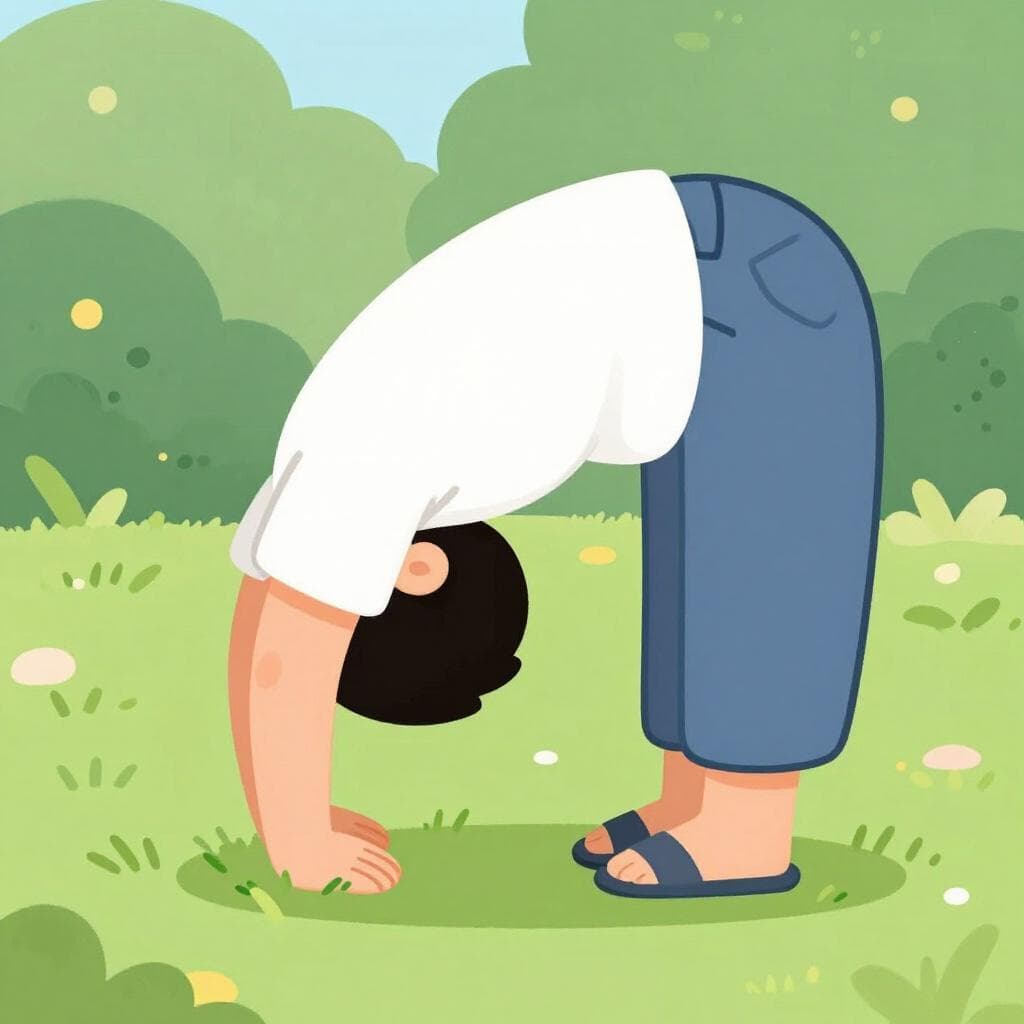
to humiliate
Also: to shame, to put down
📝 In Action
No es necesario humillar a nadie para ganar.
A2It's not necessary to humiliate anyone to win.
El equipo rival nos humilló con un marcador de cinco a cero.
B1The rival team humiliated us with a score of five to zero.
Ella se sintió humillada cuando el profesor la corrigió frente a todos.
B2She felt humiliated when the teacher corrected her in front of everyone.
to humble oneself
Also: to bow down, to grovel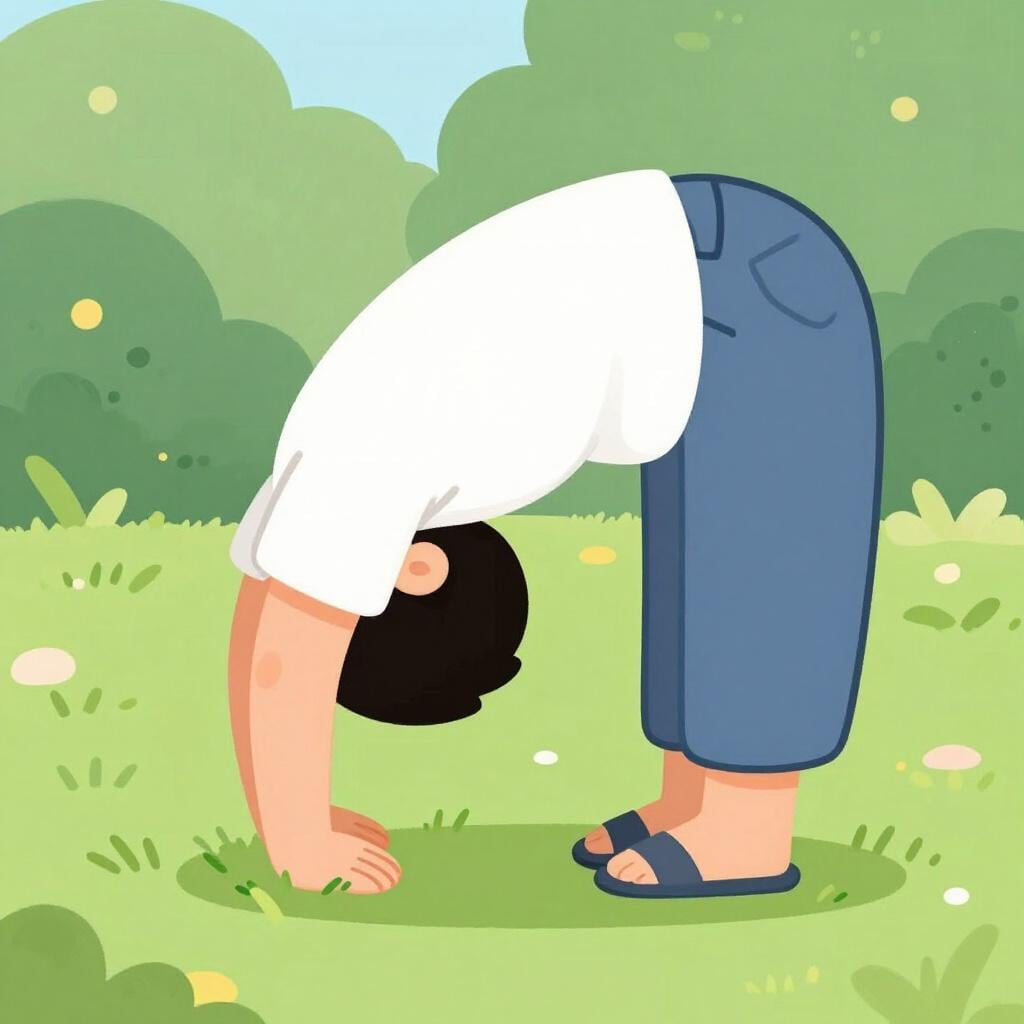
📝 In Action
Nunca me humillaré ante un tirano.
B2I will never bow down before a tyrant.
Tuvo que humillarse y pedir ayuda a su enemigo.
C1He had to humble himself and ask his enemy for help.
Los fieles se humillaron ante el altar.
C1The faithful bowed down before the altar.
Subjunctive
Imperfect Subjunctive
Present Subjunctive
Indicative
Preterite
Imperfect
Present
Translate to Spanish
✏️ Quick Practice
Quick Quiz: humillar
Question 1 of 3
Which sentence correctly says 'I humiliate them'?
📚 More Resources
👥 Word Family▼
📚 Etymology▼
From the Latin 'humiliare' (to make low), which comes from 'humilis' (lowly, near the ground). This shares a root with 'humus' (ground/soil).
First recorded: 13th century
Cognates (Related words)
💡 Master Spanish
Take your Spanish to the next level. Read 200+ illustrated and narrated Spanish stories tailored to your level with the Inklingo app!
Frequently Asked Questions
Is 'humillar' always a bad thing?
In modern conversation, yes, it usually means bullying or shaming. However, in religious contexts, 'humillarse' (to humble oneself) can be seen as a virtue of modesty.
What's the difference between 'avergonzar' and 'humillar'?
'Avergonzar' is to embarrass someone (like telling a funny story about them). 'Humillar' is much deeper and more painful; it attacks someone's dignity.
How do you say 'It was humiliating'?
You would use the related adjective: 'Fue humillante'.