How to Say "to embarrass" in Spanish
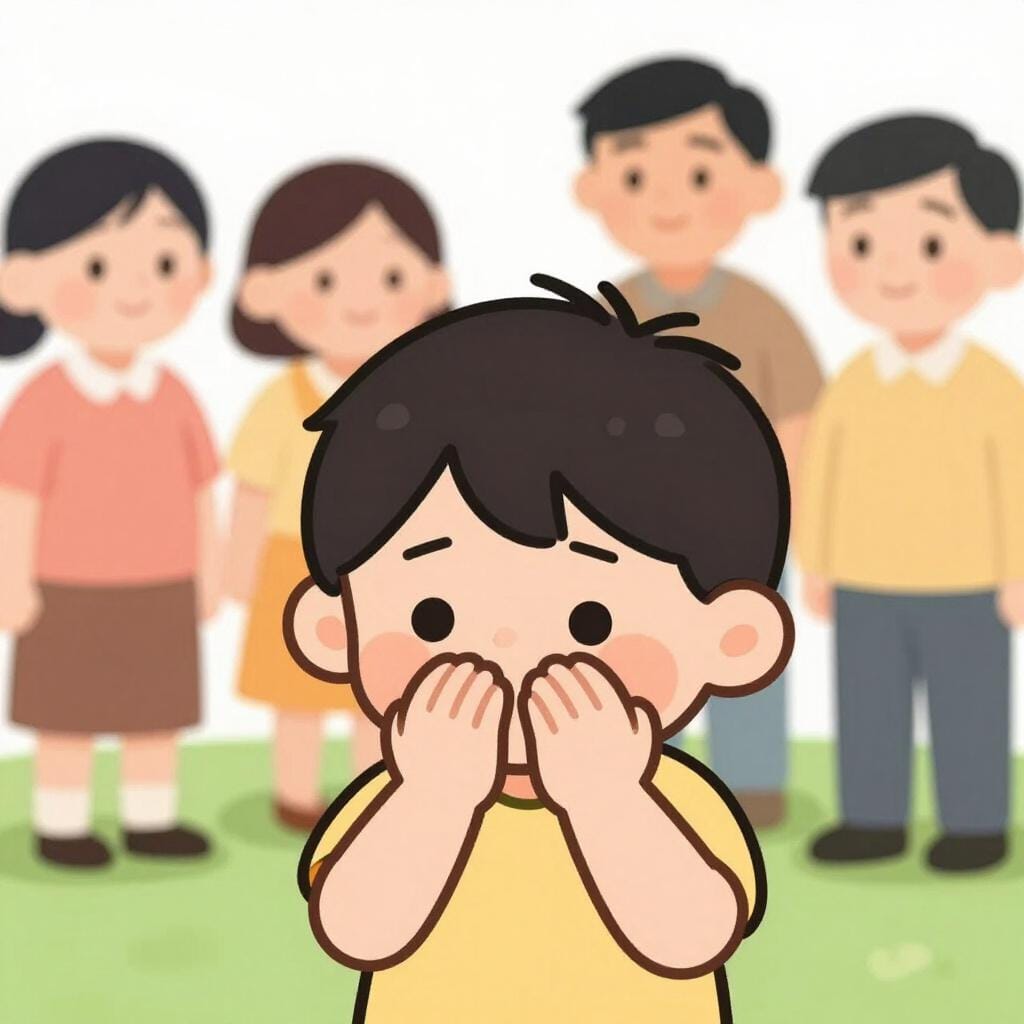
The Spanish word for “to embarrass” is “avergonzar” — B1 level.
Examples
Por favor, no me avergüences delante de mis amigos.
Please, don't embarrass me in front of my friends.
Sus mentiras avergonzaron a toda su familia.
His lies shamed his entire family.
Me avergüenza admitir que no he terminado el libro.
It embarrasses me to admit that I haven't finished the book.
The Dots on the 'u' (Dieresis)
When the 'o' changes to 'ue' in this verb, you must add two dots (ü) over the 'u' in forms like 'avergüenzo'. This tells you to pronounce the 'u' sound instead of keeping it silent.
The 'Z' to 'C' Swap
Like many Spanish verbs ending in -zar, the 'z' changes to a 'c' whenever an 'e' follows it, such as in 'avergoncé' (I embarrassed) or 'avergoncemos' (let's embarrass).
Missing the 'u' dots
Mistake: “averguenzo”
Correction: avergüenzo (without the dots, the 'u' is silent and it sounds like 'aver-ghen-zo' instead of 'aver-gwen-zo').
Confusing it with feeling ashamed
Mistake: “Avergüenzo de mi error.”
Correction: Me avergüenzo de mi error. (If YOU feel the shame, you must use the reflexive 'me' form).
Related Translations
Learn Spanish with Inklingo
Interactive stories, personalized learning, and more.