violar
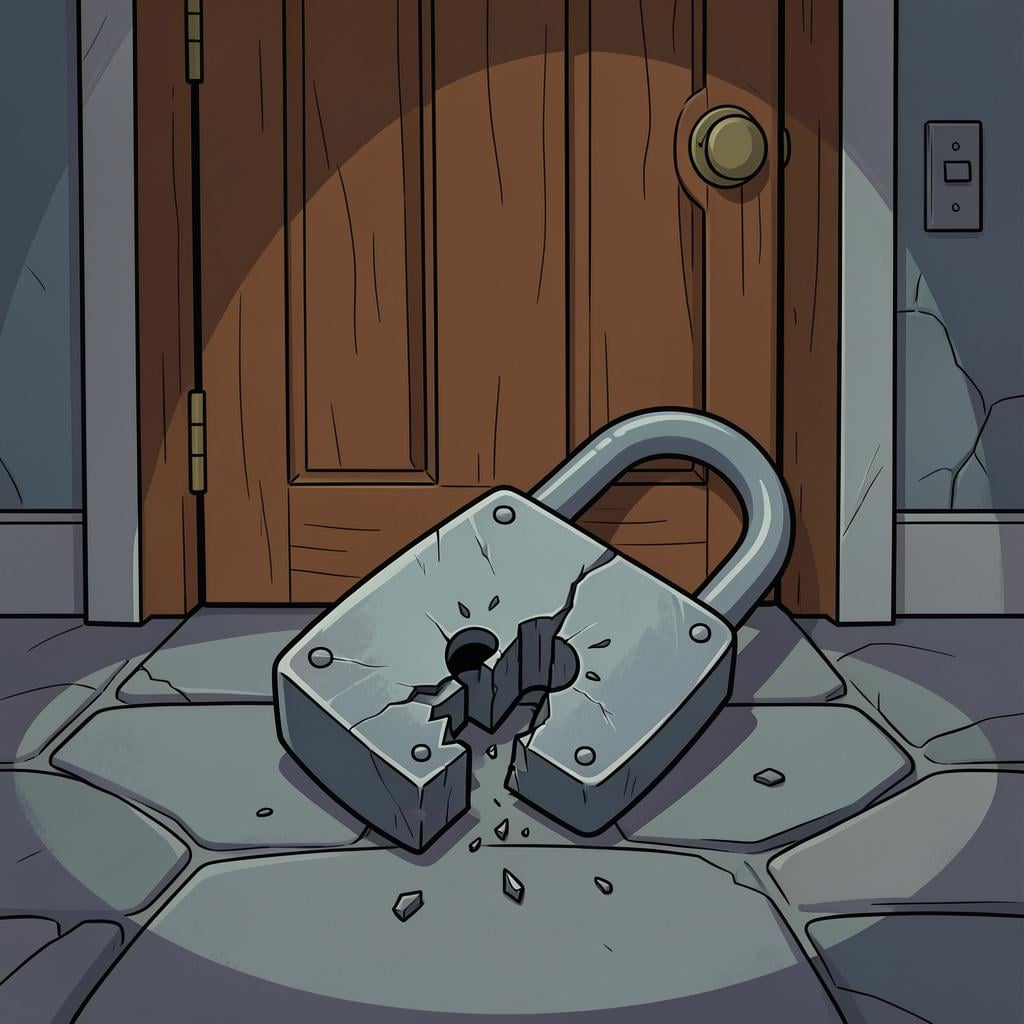
“violar” means “to break” in Spanish. It has 2 different meanings depending on context:


to break
Also: to violate, to infringe
📝 In Action
La empresa violó el contrato de exclusividad.
B2The company broke the exclusivity contract.
Nadie tiene derecho a violar tu privacidad.
B1Nobody has the right to violate your privacy.
to rape
📝 In Action
El agresor fue condenado por violar a la víctima.
C1The attacker was convicted for raping the victim.
Subjunctive
Imperfect Subjunctive
Present Subjunctive
Indicative
Preterite
Imperfect
Present
Translate to Spanish
✏️ Quick Practice
Quick Quiz: violar
Question 1 of 1
Which sentence correctly uses 'violar' to mean breaking a rule?
📚 More Resources
👥 Word Family▼
📚 Etymology▼
From the Latin word 'violare', which means to treat with violence or to dishonor.
First recorded: 13th century
Cognates (Related words)
💡 Master Spanish
Take your Spanish to the next level. Read 200+ illustrated and narrated Spanish stories tailored to your level with the Inklingo app!
Frequently Asked Questions
Does 'violar' always mean something sexual?
No. While it can mean rape, it is very frequently used in legal and formal contexts to mean breaking a law, a contract, or someone's privacy.
What is the difference between 'romper' and 'violar'?
Use 'romper' for physical objects like a plate. Use 'violar' for abstract things like laws, rights, or treaties.