vivían
“vivían” means “they used to live” in Spanish (describing a past habit or long-term state).
they used to live, they were living
Also: you all used to live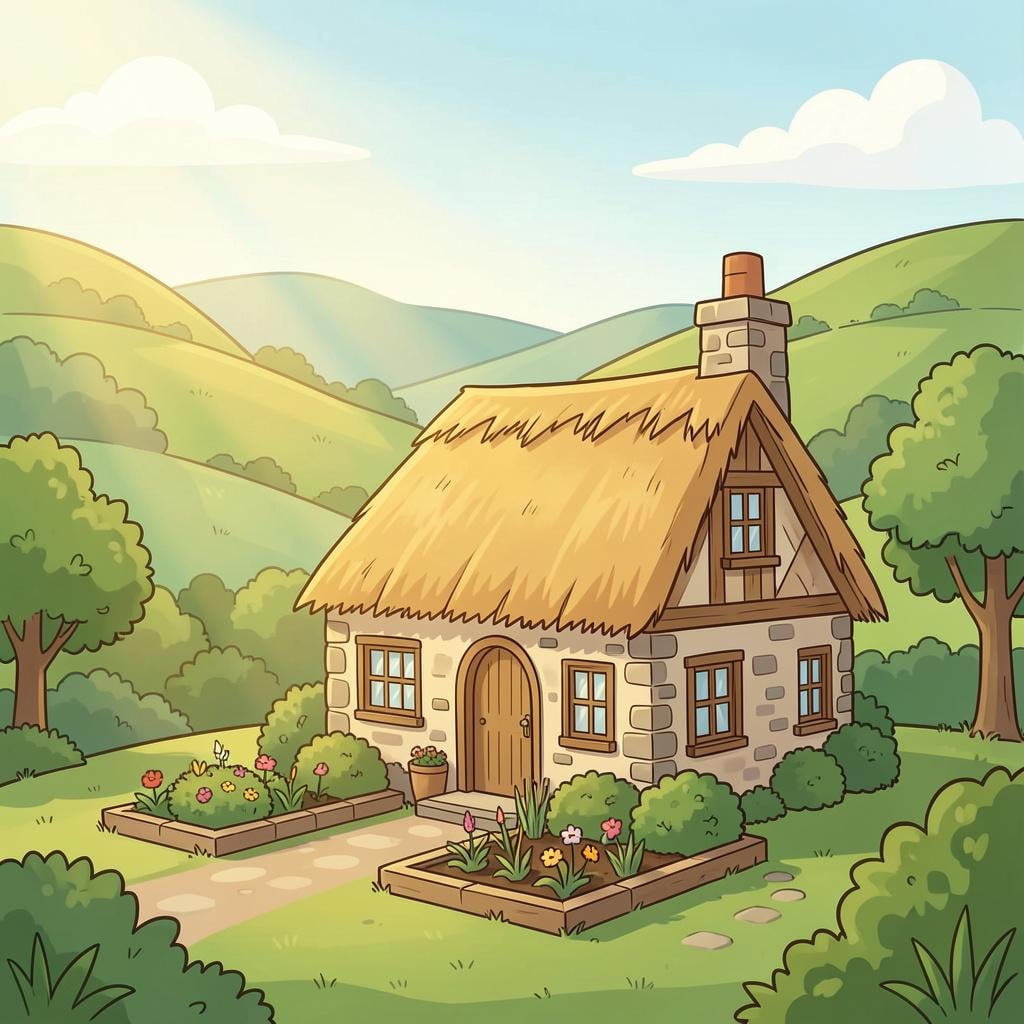
📝 In Action
Mis abuelos vivían en una casa pequeña cerca del mar.
A2My grandparents used to live in a small house near the sea.
Mientras ellos vivían en Madrid, aprendieron mucho español.
A2While they were living in Madrid, they learned a lot of Spanish.
Ustedes vivían muy felices en ese barrio.
B1You all used to live very happily in that neighborhood.
🔄 Conjugations
subjunctive
imperfect
present
indicative
preterite
imperfect
present
✏️ Quick Practice
Quick Quiz: vivían
Question 1 of 1
Which sentence correctly describes a long-term living situation in the past?
📚 More Resources
👥 Word Family▼
📚 Etymology▼
From the Latin word 'vivere', which means 'to be alive' or 'to reside'. The ending '-ían' evolved in Spanish to show that an action was ongoing or repeated in the past.
First recorded: 12th century
Cognates (Related words)
💡 Master Spanish
Take your Spanish to the next level. Read 200+ illustrated and narrated Spanish stories tailored to your level with the Inklingo app!
Frequently Asked Questions
What is the difference between 'vivieron' and 'vivían'?
'Vivieron' is for a finished event (They lived there for a year and left). 'Vivían' is for descriptions or habits (They used to live there/They were living there when something happened).
Can 'vivían' also mean 'you all'?
Yes! In Spain and Latin America, 'vivían' is the form used for 'ustedes' (you all) when describing the past.