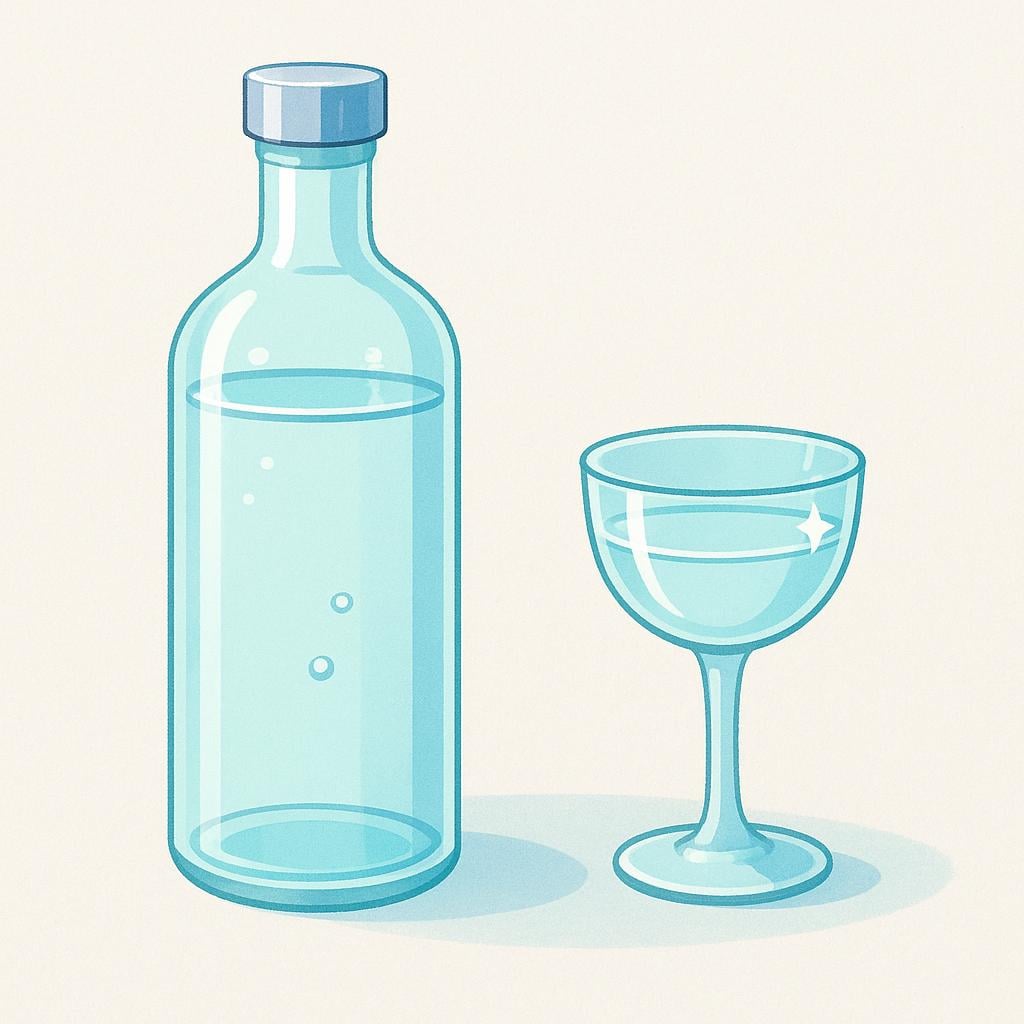
vodka
“vodka” means “vodka” in Spanish (alcoholic drink).
vodka
📝 In Action
Pedimos un vaso de vodka con hielo y limón.
A1We ordered a glass of vodka with ice and lemon.
El vodka es conocido por ser incoloro e inodoro.
B1Vodka is known for being colorless and odorless.
Prefiero el vodka ruso al polaco, aunque ambos son excelentes.
B2I prefer Russian vodka to Polish, although both are excellent.
Translate to Spanish
Words that translate to "vodka" in Spanish:
vodka→✏️ Quick Practice
Quick Quiz: vodka
Question 1 of 2
Which article should you use when referring to the drink 'vodka' in Spanish?
📚 More Resources
👥 Word Family▼
📚 Etymology▼
This word comes from the Slavic languages (specifically Russian and Polish). It is a diminutive form of the word for 'water'—literally meaning 'little water'.
First recorded: Mid-20th century (in widespread Spanish use)
Cognates (Related words)
💡 Master Spanish
Take your Spanish to the next level. Read 200+ illustrated and narrated Spanish stories tailored to your level with the Inklingo app!
Frequently Asked Questions
Why is 'vodka' masculine if it ends in 'a'?
This happens with many words borrowed from other languages (called loanwords). Since the word is imported, it often defaults to the masculine gender ('el'), even when it doesn't follow the usual Spanish pattern of '-a' for feminine nouns.