vía
“vía” means “way” in Spanish. It has 4 different meanings depending on context:



way, road
Also: avenue, lane
📝 In Action
La vía de acceso a la ciudad está cerrada.
A1The access road to the city is closed.
Necesitamos abrir una vía para que pasen los camiones.
A2We need to clear a way for the trucks to pass.
means, channel
Also: procedure
📝 In Action
Puedes enviarme el documento por vía electrónica.
B1You can send me the document electronically (by electronic means).
Tenemos que resolver esto por la vía legal.
B2We have to resolve this through legal channels (by legal means).
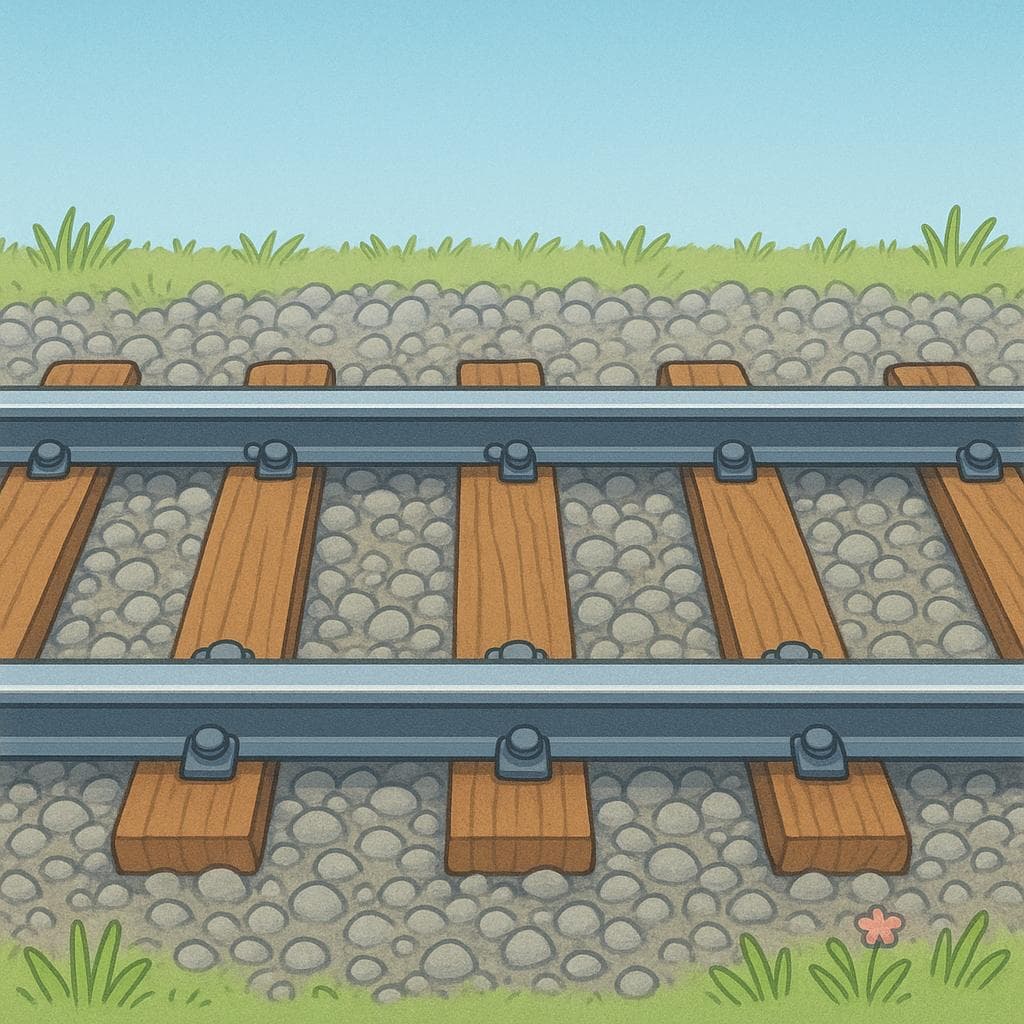
track, line
Also: rail
📝 In Action
El tren a Sevilla sale de la vía número dos.
A2The train to Seville leaves from track number two.
Tienen que cambiar de vía en la próxima estación.
B1They have to change tracks at the next station.
tract, route
Also: pathway
📝 In Action
El medicamento se administra por vía oral.
B2The medication is administered orally (by mouth).
La infección se propagó por las vías respiratorias.
C1The infection spread through the respiratory tracts.
✏️ Quick Practice
Quick Quiz: vía
Question 1 of 1
Which sentence uses 'vía' to mean 'method' or 'means'?
📚 More Resources
👥 Word Family▼
🎵 Rhymes▼
📚 Etymology▼
The word comes directly from the Latin noun *via*, which meant 'way,' 'road,' or 'path.' This simple root is the reason why 'vía' is used both for physical roads and figurative methods.
First recorded: Historically present since the earliest Romance languages.
Cognates (Related words)
💡 Master Spanish
Take your Spanish to the next level. Read 200+ illustrated and narrated Spanish stories tailored to your level with the Inklingo app!
Frequently Asked Questions
Is 'vía' masculine or feminine?
'Vía' is always a feminine noun, so you must use feminine articles and adjectives with it (e.g., 'la vía', 'una vía ancha').
What's the difference between 'vía' and 'calle'?
'Calle' is the general word for a street in a city. 'Vía' usually refers to a larger, more important route, like a main road, highway, or a specific track (like a train track).