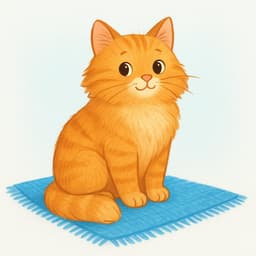
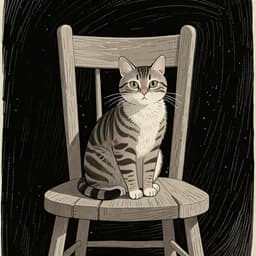

Cuando el gato no está, los ratones hacen fiesta
/KWAN-doh el GAH-toh noh es-TAH, lohs rrah-TOH-nes AH-sen FYES-tah/
When the person in charge is away, people will do as they please, relax the rules, or misbehave.
💡 Understanding the Idiom
🎨 Literal vs. Figurative

Literally, the words say: 'When the cat isn't here, the mice have a party'.

It means people will relax and misbehave when the authority figure is gone.
Key Words in This Idiom:
📝 In Action
La profesora salió un momento y la clase se convirtió en un caos. ¡Cuando el gato no está, los ratones hacen fiesta!
B1The teacher stepped out for a moment and the class turned into chaos. When the cat's away, the mice will play!
Desde que el jefe se fue de vacaciones, nadie llega a tiempo. Ya sabes lo que dicen: cuando el gato no está...
B2Ever since the boss went on vacation, nobody arrives on time. You know what they say: when the cat's away...
📜 Origin Story
This is an ancient proverb that exists in many languages, not just Spanish. Its origin is a simple, universal observation of nature and domestic life. For centuries, people have watched cats keep mice in check. The moment the predator leaves, the prey feels free to come out and do what it wants. This straightforward, real-world scenario became a perfect metaphor for human behavior in the absence of authority.
⭐ Usage Tips
For Any Authority Figure
Use this to describe what happens when any person in charge is away. It works for a boss at an office, a teacher in a classroom, parents who've left the kids with a babysitter, or even a team captain during practice.
It's a Shared Observation
This phrase is often said as a knowing comment between two people observing a situation. You can even shorten it, as in the second example. If you just say 'Cuando el gato no está...', everyone will know exactly what you mean.
❌ Common Pitfalls
Not Just for Literal Parties
Mistake: "Thinking 'hacen fiesta' (have a party) means there has to be music and dancing."
Correction: In this idiom, 'fiesta' is a metaphor for any kind of undisciplined, relaxed, or chaotic behavior. It could be as simple as employees taking a longer lunch break or kids making a mess.
🌎 Where It's Used
Spain
Universally known and frequently used in all contexts.
Latin America
Universally known and used in every Spanish-speaking country. It's a foundational proverb of the language.
🔗 Related Idioms
✏️ Quick Practice
💡 Quick Quiz: Cuando el gato no está, los ratones hacen fiesta
Question 1 of 1
Your manager is on vacation, and you notice your coworkers are taking longer coffee breaks and leaving work early. Which idiom perfectly describes this?
🏷️ Tags
Frequently Asked Questions
Is this idiom considered critical or just an observation?
It's usually just an observation, often said with a bit of humor. The tone implies that this is natural, expected behavior. It's not a harsh criticism, but rather a comment on human nature.


