


Inklingo

Poner los puntos sobre las íes

/poh-NER los POON-tohs SOH-breh lahs EE-ess/

To clarify a situation, be very precise, and leave no room for ambiguity or misunderstanding.

Level:B2Register:NeutralCommon:★★★★

💡 Understanding the Idiom

Literal Translation:
"To put the dots on the i's"
What It Really Means:
To clarify a situation, be very precise, and leave no room for ambiguity or misunderstanding.
English Equivalents:
To dot the i's and cross the t'sTo set the record straightTo make something crystal clearTo spell things out

🎨 Literal vs. Figurative

💭 Literal
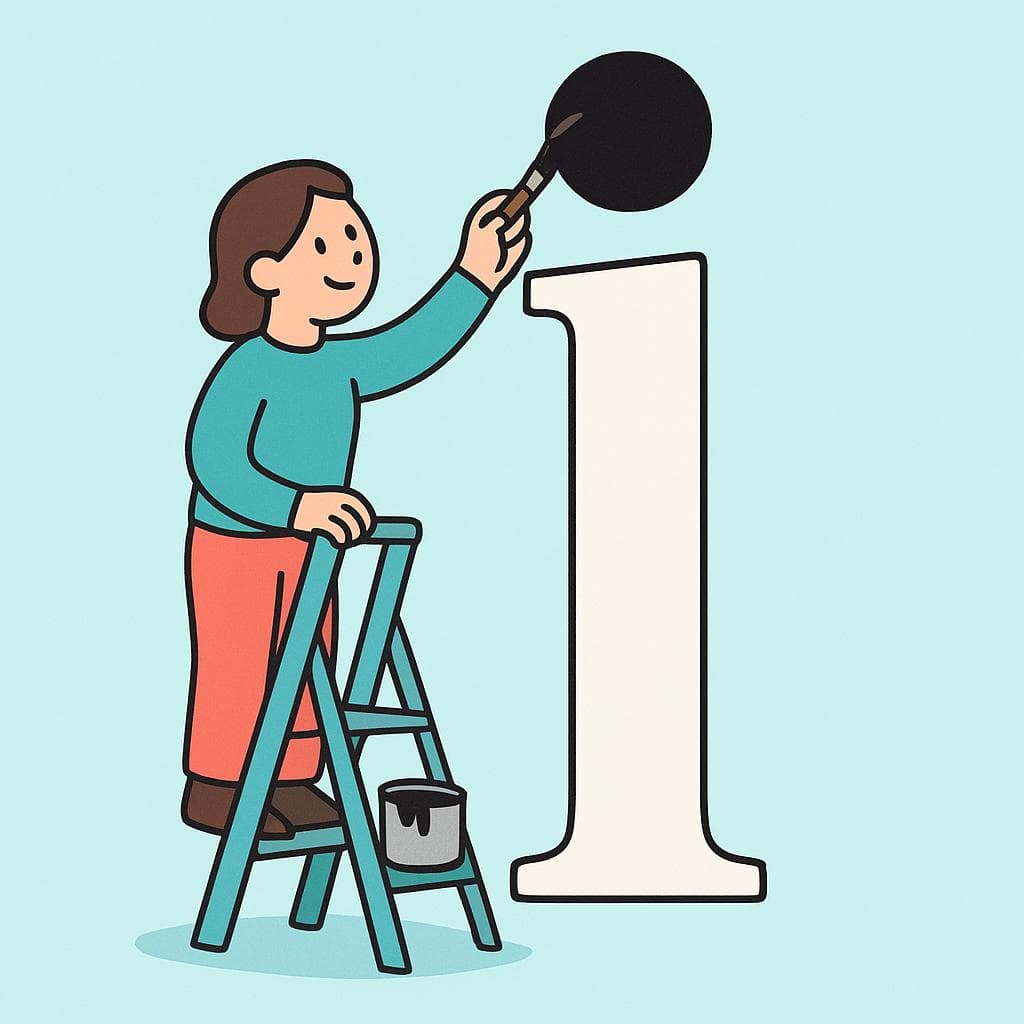
A literal depiction of 'poner los puntos sobre las íes', showing a person carefully placing a dot on a giant letter 'i'.

Literally, this means 'to put the dots on the i's'.

✨ Figurative
The actual meaning of 'poner los puntos sobre las íes', showing two people having a serious, clarifying conversation.

In practice, it means to clarify things and leave no room for doubt.

Key Words in This Idiom:

📝 In Action

Estoy harto de rumores. Mañana en la reunión voy a poner los puntos sobre las íes.

B2

I'm sick of rumors. Tomorrow in the meeting I'm going to set the record straight.

Antes de firmar el contrato, leamos todo con calma para poner los puntos sobre las íes.

B2

Before signing the contract, let's read everything calmly to dot the i's and cross the t's.

Tuvimos que hablar seriamente para poner los puntos sobre las íes en nuestra relación.

C1

We had to have a serious talk to make things crystal clear in our relationship.

📜 Origin Story

This phrase comes to us from the age of handwritten manuscripts. Before the 14th century, the letter 'i' was written without a dot. In Gothic script, a series of short vertical strokes like 'm', 'n', 'u', and 'i' could look like a jumble. Scribes started adding a small dash or, later, a dot (called a 'tilde' back then) above the 'i' to make the text much clearer to read. So, 'putting the dot on the i' was literally an act of adding clarity, which is exactly what the idiom means today!

⭐ Usage Tips

Use it for Clarity and Assertiveness

This is your go-to phrase when you need to end confusion, correct a misunderstanding, or state your position without any doubt. It often has a firm, assertive tone, signaling that it's time to be direct.

Perfect for Work and Serious Talks

While it can be used with friends, it shines in more formal or serious situations, like business meetings or important personal conversations where clarity is essential.

❌ Common Pitfalls

It's More Than Just Finishing a Task

Mistake: "Thinking it's exactly like the English 'dot the i's and cross the t's', which can sometimes just mean finishing up minor details."

Correction: In Spanish, the idiom is less about completing the final touches on a task by yourself and more about clarifying a situation *with other people*. It’s about communication and removing ambiguity between individuals.

🌎 Where It's Used

🇪🇸

Spain

Extremely common and universally understood in all contexts.

🌎

Latin America

Widely understood and used in most countries, but sometimes a more direct phrase like 'aclarar las cosas' (to clarify things) might be more common in casual speech.

🔗 Related Idioms

↔️ Similar Meanings

dejar las cosas claras

To make things clear

hablar sin rodeos

To speak without beating around the bush

Opposite Meanings

andarse por las ramas

To beat around the bush

dejar algo en el aire

To leave something up in the air

✏️ Quick Practice

💡 Quick Quiz: Poner los puntos sobre las íes

Question 1 of 1

If your boss says, 'Necesitamos una reunión para poner los puntos sobre las íes,' what is the purpose of the meeting?

🏷️ Tags

Social InteractionsHonestyCommonly UsedWork & Business

Frequently Asked Questions

Is 'poner los puntos sobre las íes' a rude or aggressive phrase?

It's not inherently rude, but it is assertive. It signals a shift to a more direct and serious tone. Whether it feels aggressive depends on the context and the speaker's delivery. It's used to solve problems through clarity, not to start a fight.