100 Spanish Tongue Twisters to Improve Your Pronunciation
Tongue twisters — trabalenguas in Spanish — are more than silly sentences designed to make you stumble over your words. They’re one of the simplest ways to practice the exact sounds that make Spanish pronunciation difficult: the Spanish R, the rolled RR, B and V, the Spanish J, LL and Y, fast clusters like TR and BL, and the five Spanish vowels.
100 tongue twistersLast updated
Want to know whether your Spanish pronunciation is actually improving?
Try saying Tres tristes tigres tragan trigo en un trigal. Now say it again. Faster.
A good tongue twister forces your mouth to repeat the same movement again and again until it starts becoming automatic.
Below you’ll find 100 Spanish tongue twisters, from very easy warm-ups to sentences that can trip up native speakers. For each group, we’ll also explain what sound you’re actually practicing — and for every twister that still has a recording, you can play it at three speeds: slow and enunciated, natural, and full challenge speed.
15 Spanish tongue twisters to try first
If you don’t want to tackle all 100 immediately, start with these. Start slowly — being able to say a tongue twister quickly but badly does absolutely nothing for your pronunciation. Smooth first, fast later.
| Spanish tongue twister | Main sound |
|---|---|
| Ana tiene una banana. | A / N |
| Bebo vino bien bebido. | B / V |
| Blas habla con blusa blanca. | BL |
| Papá pone pan para Pepín. | P |
| Gira la jirafa gigante. | J / G |
| Cae la clave del clavo. | CL |
| Tres tristes tigres tragan trigo en un trigal. | TR / R |
| Pablito clavó un clavito. | BL / CL |
| El perro de San Roque no tiene rabo. | R / RR |
| Erre con erre cigarro. | RR |
| Pepe Pecas pica papas. | P |
| Compadre, cómprame un coco. | C / P |
| Juan junta juncos junto a la zanja. | J |
| ¿Qué queso quiere Quico? | K |
| El cielo está enladrillado. | L / DR |
Easy Spanish tongue twisters for beginners
These are short enough that you can concentrate on pronunciation instead of trying to remember an entire paragraph.
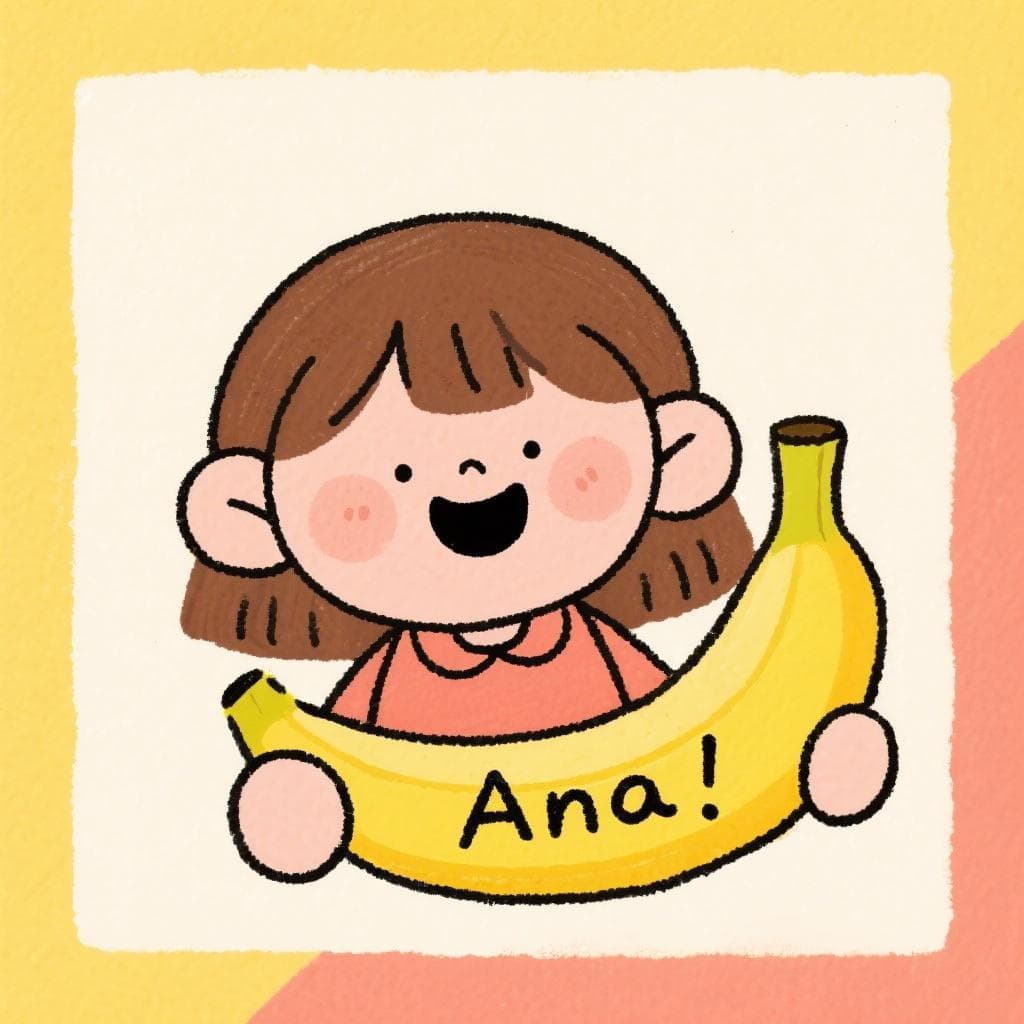
1. Ana tiene una banana.
A-na TIE-ne U-na ba-NA-na
- English
- Ana has a banana.
Practice the clean Spanish A sound.
Spanish vowels barely change compared with English. Every a should remain open and consistent: A-na — ba-NA-na.
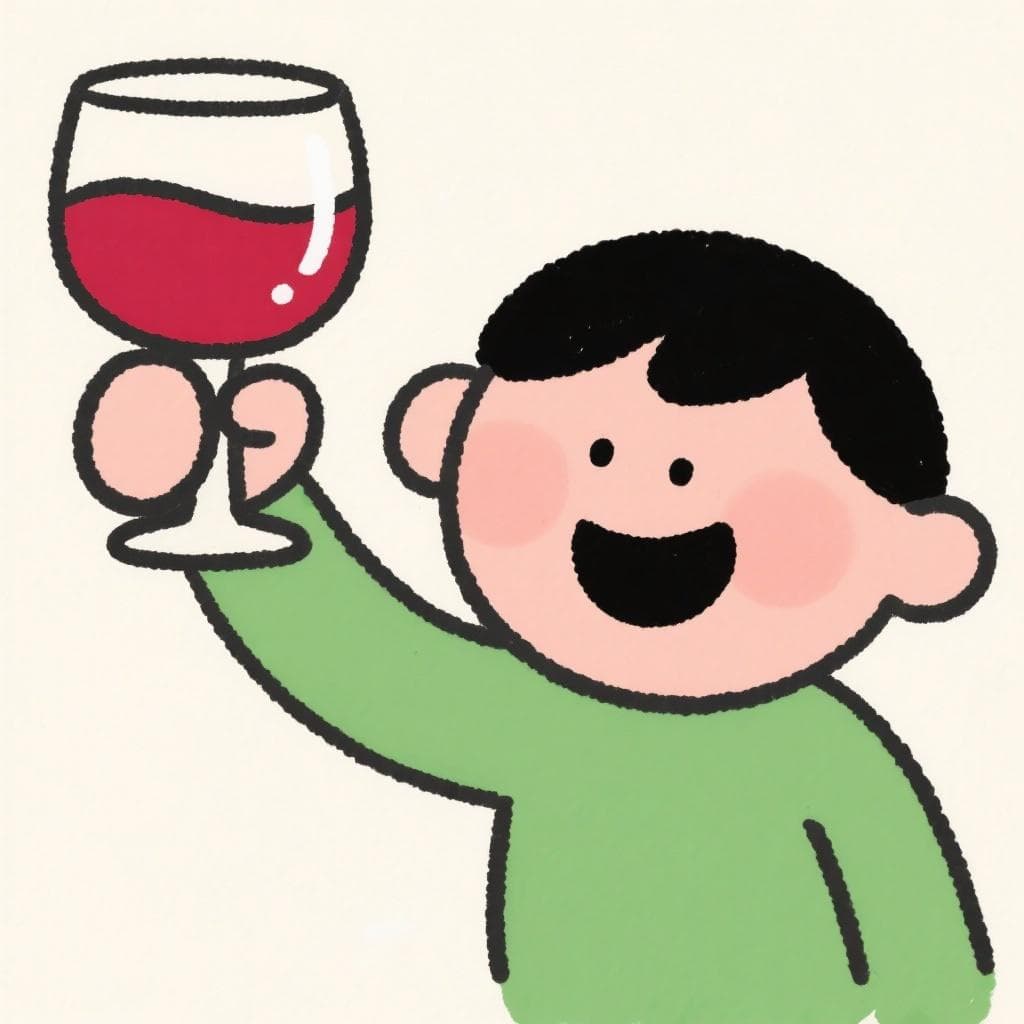
2. Bebo vino bien bebido.
BE-bo BI-no bien be-BI-do
- English
- I drink well-drunk wine.
This is particularly useful because Spanish B and V represent the same underlying sound pattern in normal pronunciation.
Do not pronounce vino with the English v sound made by touching your teeth to your lower lip.
3. Blas habla con blusa blanca.
BLAS A-bla con BLU-sa BLAN-ca
- English
- Blas speaks with a white blouse.
Practice the BL consonant cluster.
Keep the transition from b to l fast and light: BLAS — BLU-sa — BLAN-ca.
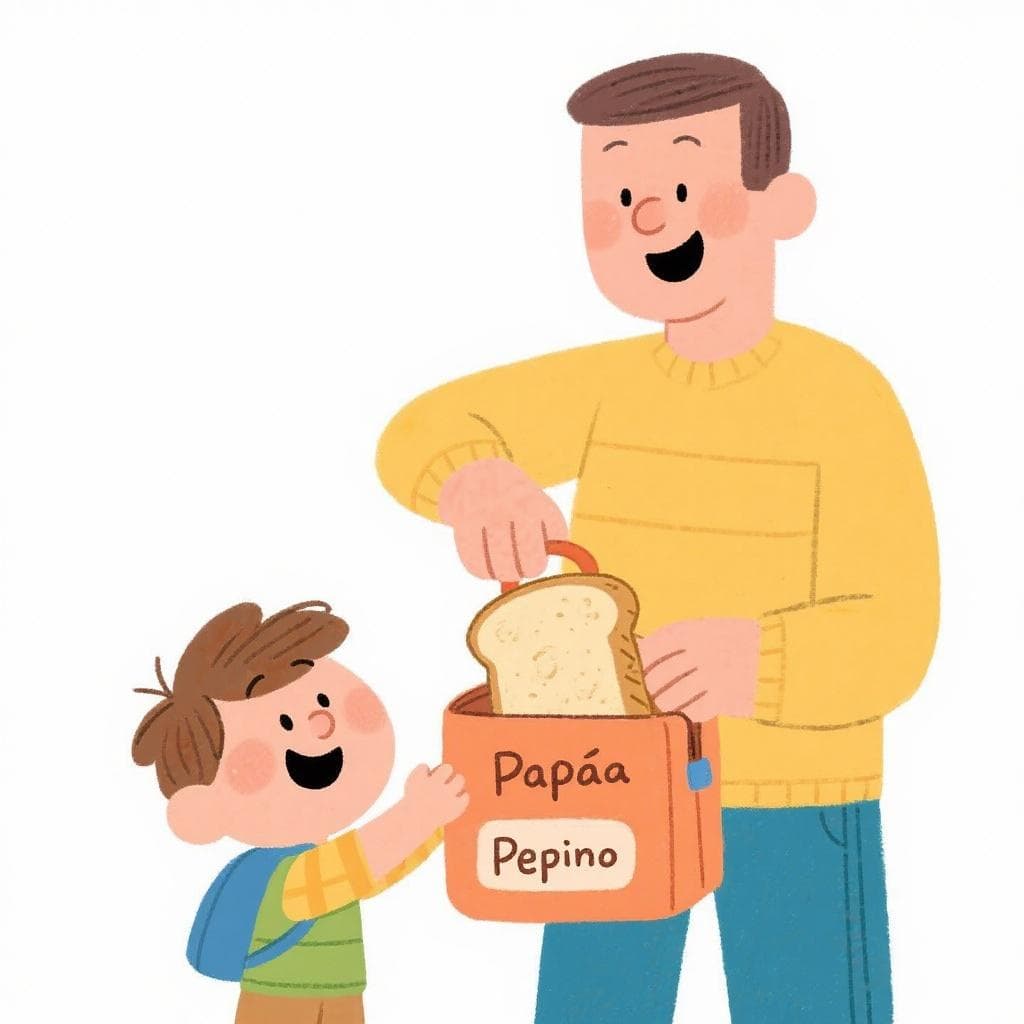
4. Papá pone pan para Pepín.
pa-PÁ PO-ne pan PA-ra pe-PÍN
- English
- Dad puts bread out for Pepín.
A great P warm-up. Try to keep every P crisp without releasing a large puff of air as you might in English.
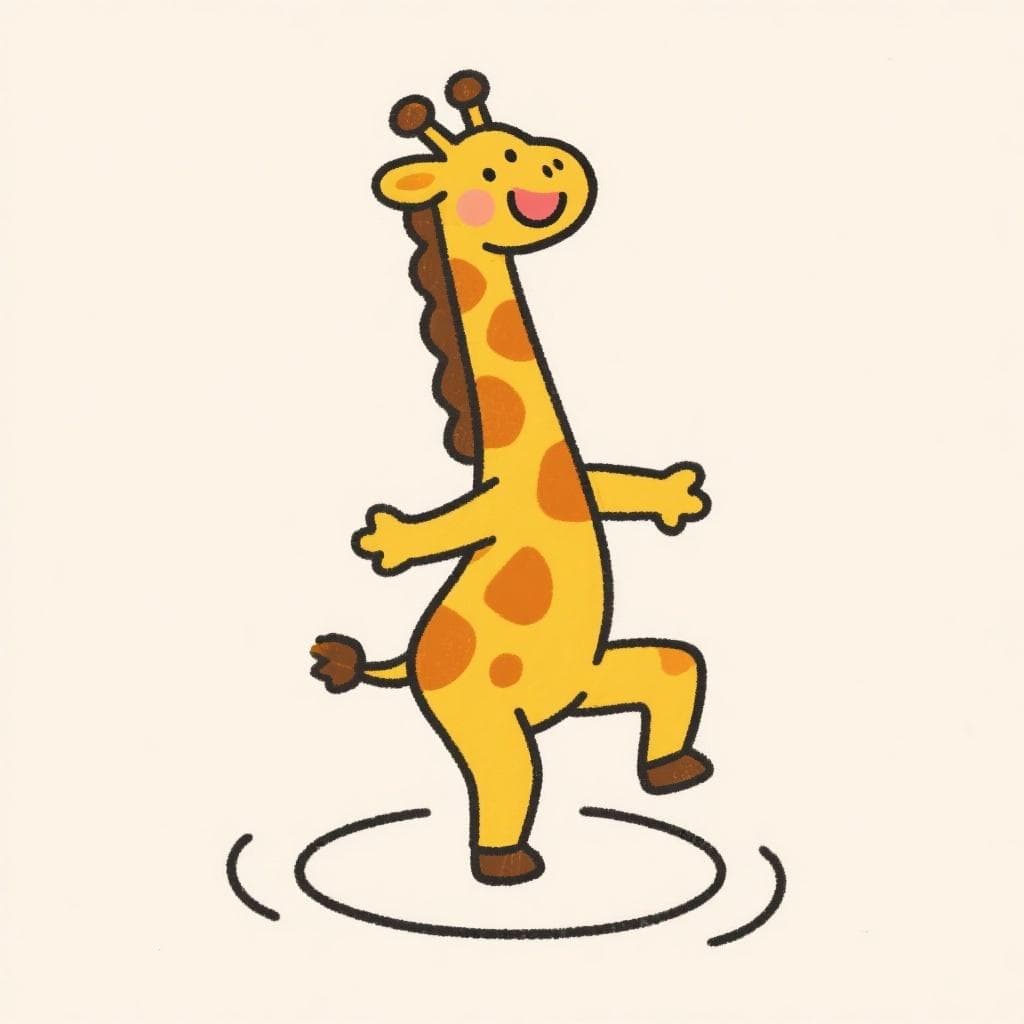
5. Gira la jirafa gigante.
JI-ra la ji-RA-fa ji-GAN-te
- English
- The giant giraffe turns.
Practice Spanish J and soft G. Depending on the region, the sound may range from a strong throatier sound to a considerably softer one.
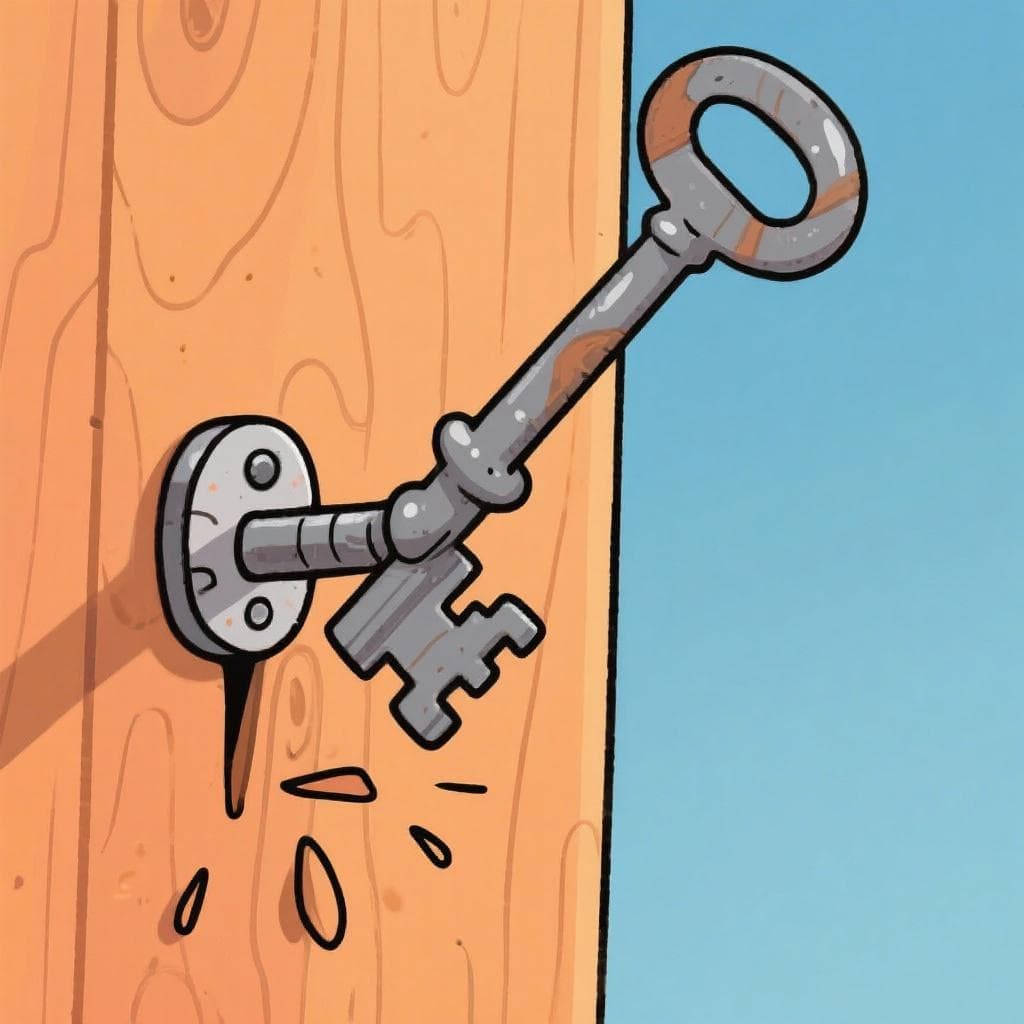
6. Cae la clave del clavo.
CA-e la CLA-ve del CLA-vo
- English
- The key from the nail falls.
Practice switching smoothly through CL. Try CLA — CLE — CLI — CLO — CLU before saying the whole tongue twister.
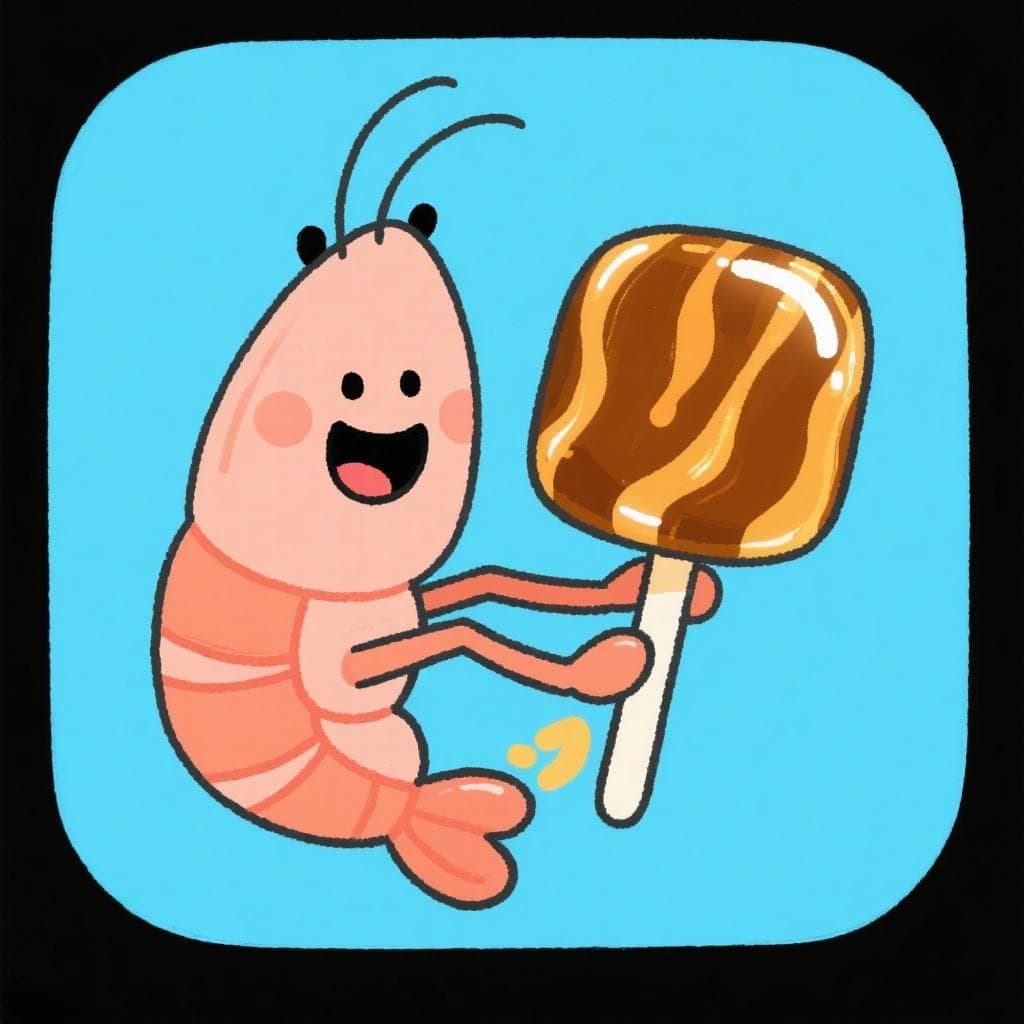
7. Camarón, caramelo, camarón.
ca-ma-RÓN, ca-ra-ME-lo, ca-ma-RÓN
- English
- Shrimp, caramel, shrimp.
This looks almost absurdly easy. Say it five times quickly. It stops being easy.
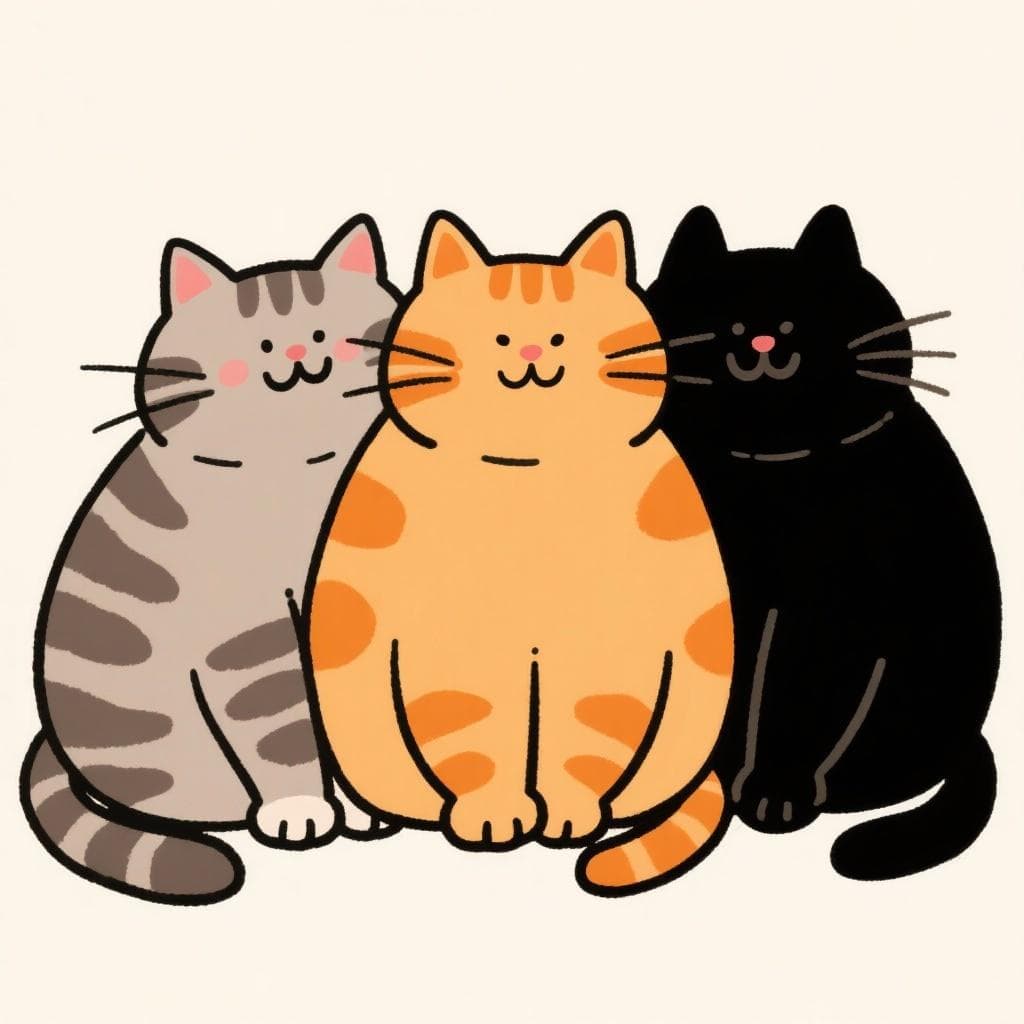
8. Gatos grandes y gordos.
GA-tos GRAN-des y GOR-dos
- English
- Big, fat cats.
Practice switching between Spanish G sounds.
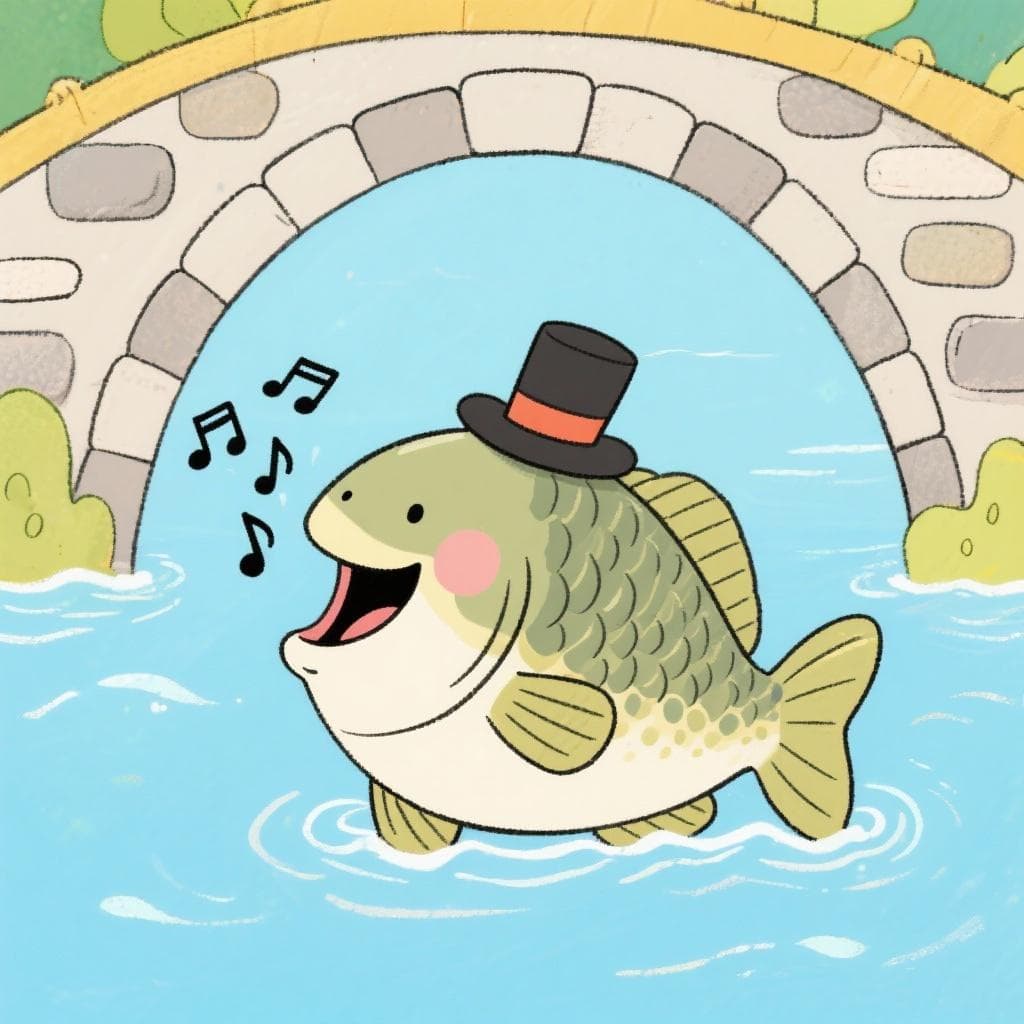
9. Bajo el puente, un bajo canta.
BA-jo el PWEN-te, un BA-jo KAN-ta
- English
- Under the bridge, a bass sings.
Useful for B, J, and Spanish vowel clarity.
10. Ayer ya me fui.
a-YER YA me FUI
- English
- Yesterday I already left.
This is a short exercise for Y. The exact pronunciation varies considerably across the Spanish-speaking world.
The famous "Tres tristes tigres" tongue twister
11. Tres tristes tigres tragan trigo en un trigal.
- English
- Three sad tigers swallow wheat in a wheat field.
This is probably one of the best-known Spanish tongue twisters. The difficulty comes from constantly switching between TR and R.
Try splitting it into chunks: "Tres tristes tigres", then "tragan trigo", then "en un trigal". Only combine them once each part feels comfortable.
Spanish tongue twisters for the R sound
Spanish has two important rhotic sounds. A single r between vowels is usually a quick tap, as in "pero" (but). A stronger trill appears in words such as "perro" (dog). Tongue twisters are useful because the distinction is physical — you have to train your tongue to perform the movement.
12. Pero el perro corre rápido.
- English
- But the dog runs quickly.
Contrast "pero" with "perro".
13. El perro de San Roque no tiene rabo.
- English
- San Roque's dog has no tail.
A classic Spanish pronunciation challenge.
14. Rosa corre por la carretera.
- English
- Rosa runs along the road.
15. Ricardo corre alrededor del río.
- English
- Ricardo runs around the river.
16. El loro mira el oro.
- English
- The parrot looks at the gold.
A gentler exercise for the tapped R.
17. La pera espera a Rosa.
- English
- The pear waits for Rosa.
18. María mira el mar.
- English
- María looks at the sea.
19. Quiero correr por el río.
- English
- I want to run by the river.
20. Caro, pero raro.
- English
- Expensive, but strange.
Short sentences like this are excellent for repeating one movement rapidly.
Spanish tongue twisters for rolling your RR
If the rolled Spanish RR is difficult for you, speed should be the last thing you worry about. Your tongue needs to be relaxed enough for airflow to make the tip vibrate against the ridge behind your upper teeth.
21. Erre con erre cigarro, erre con erre barril.
ERRE con ERRE, ci-GA-rro
- English
- R with R cigar, R with R barrel.
One of the classic Spanish RR tongue twisters. A longer traditional version continues with a line about railway cars.
22. Rápido ruedan las ruedas.
RRA-pi-do CO-rren los CA-rros
- English
- Quickly roll the wheels.
23. Ramón corre por el ferrocarril.
- English
- Ramón runs along the railway.
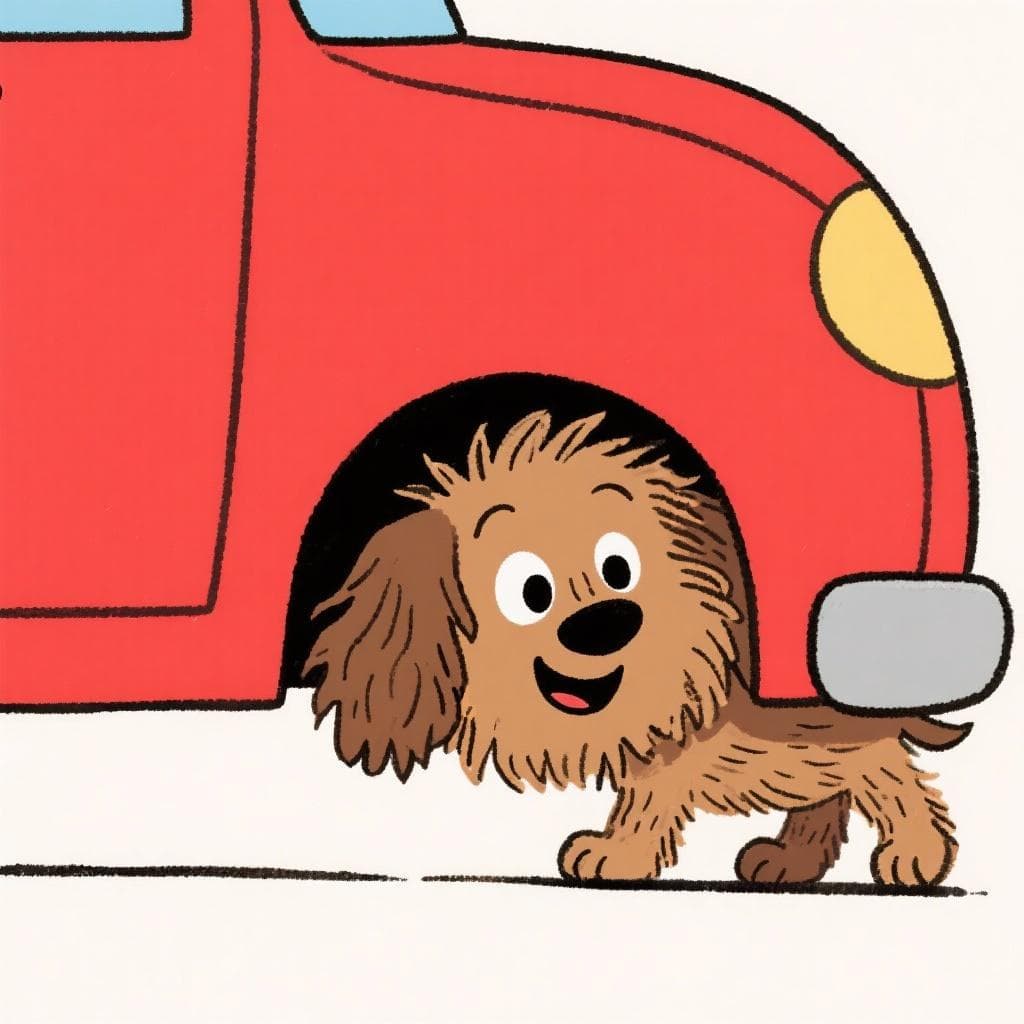
24. El perro corre alrededor del carro.
a-BÍ-a un PE-rro de-BA-jo de un CA-rro
- English
- The dog runs around the car.
25. Rosa riega las rosas rojas.
RO-sa RI-so RE-sa en RU-so
- English
- Rosa waters the red roses.
26. El ferrocarril corre rápido.
- English
- The railway runs quickly.
27. Rodrigo rompe ramas.
- English
- Rodrigo breaks branches.
28. R con R rueda.
- English
- R with R rolls.
A tiny drill for the trill itself. Repeat: rueda — rueda — rueda.
29. Ramón arrastra una rama.
- English
- Ramón drags a branch.
30. Corre, corre, perro.
- English
- Run, run, dog.
Short. Potentially humiliating. Effective.
Spanish tongue twisters for B and V
One of the most common pronunciation mistakes among English-speaking learners is trying to maintain the English distinction between B and V. Spanish does not use that distinction in the same way, which makes sentences containing both letters excellent practice.
31. Bebo vino bien bebido.
BE-bo BI-no bien be-BI-do
- English
- I drink well-drunk wine.
We met this one earlier because it's almost purpose-built for B/V practice.
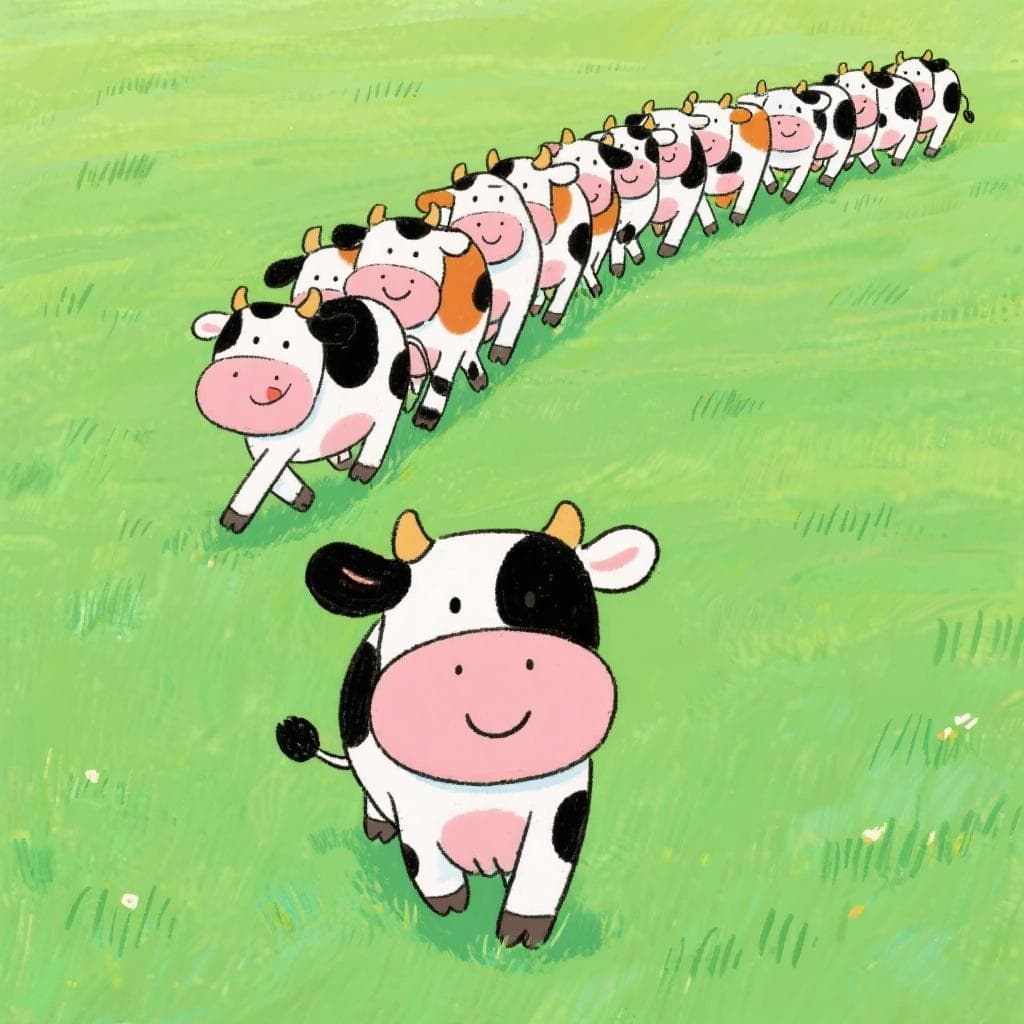
32. Viva la vaca de Vicente.
- English
- Long live Vicente's cow.
33. Vicente bebe vino.
el BI-no BI-no, PE-ro el BI-no no BI-no BI-no
- English
- Vicente drinks wine.
34. Eva vive en Valencia.
- English
- Eva lives in Valencia.
35. Berta vio veinte barcos.
BE-o be-NIR BEIN-te BIEN-tos
- English
- Berta saw twenty boats.
36. Víctor bebe bebidas verdes.
- English
- Víctor drinks green beverages.
37. Bebo bebidas buenas.
- English
- I drink good drinks.
38. La vaca bebe bajo el árbol.
BA-ca, BEIN-te BA-cas BAN
- English
- The cow drinks beneath the tree.
39. Bruno vive bien.
- English
- Bruno lives well.
40. Vino blanco, bebida buena.
- English
- White wine, good drink.
Spanish tongue twisters for the J sound
The Spanish J is usually produced farther back in the mouth than an English H, although its strength varies enormously by region.
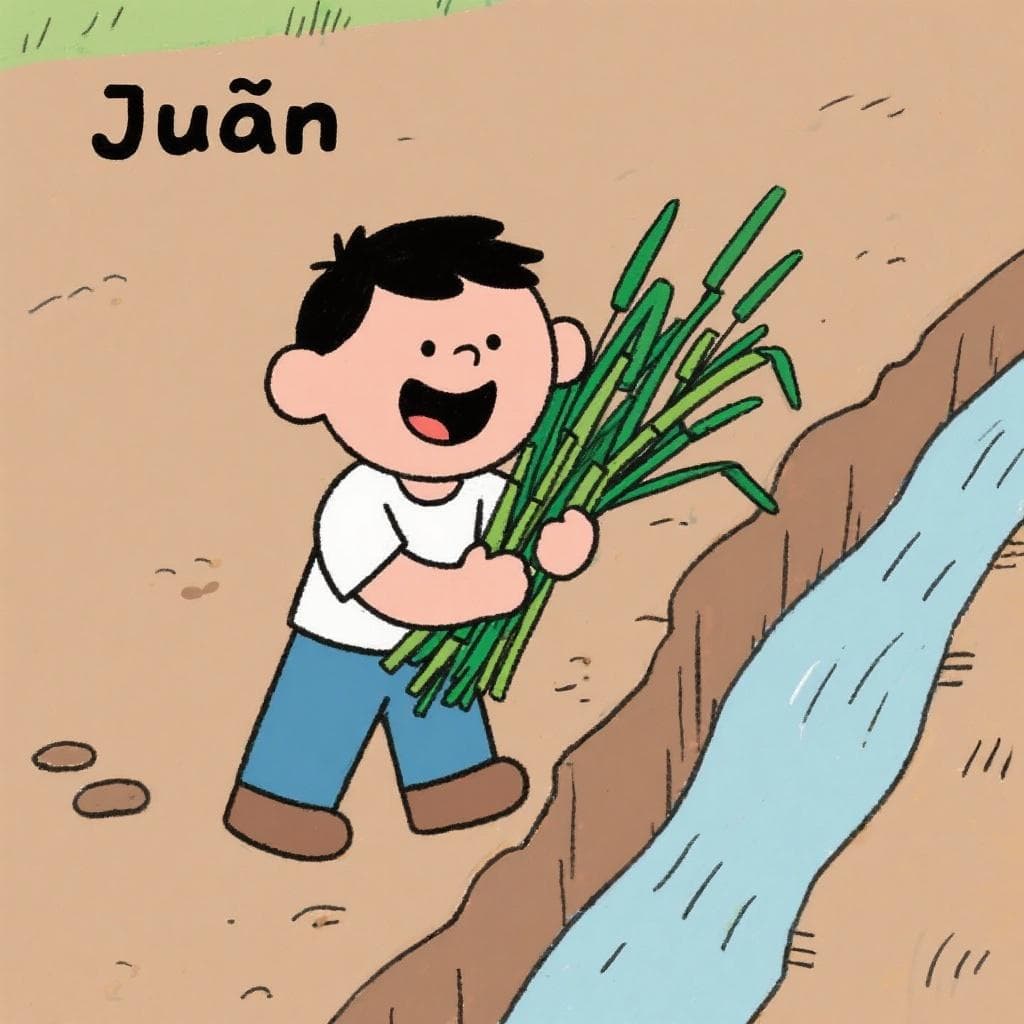
41. Juan junta juncos junto a la zanja.
JUAN JUN-ta JUN-cos JUN-to a la SAN-ja
- English
- Juan gathers reeds beside the ditch.
A fantastic repetition drill: Juan — junta — juncos — junto.
42. Gira la jirafa gigante.
JI-ra la ji-RA-fa ji-GAN-te
- English
- The giant giraffe turns.
43. El jarrón rojo de Juana.
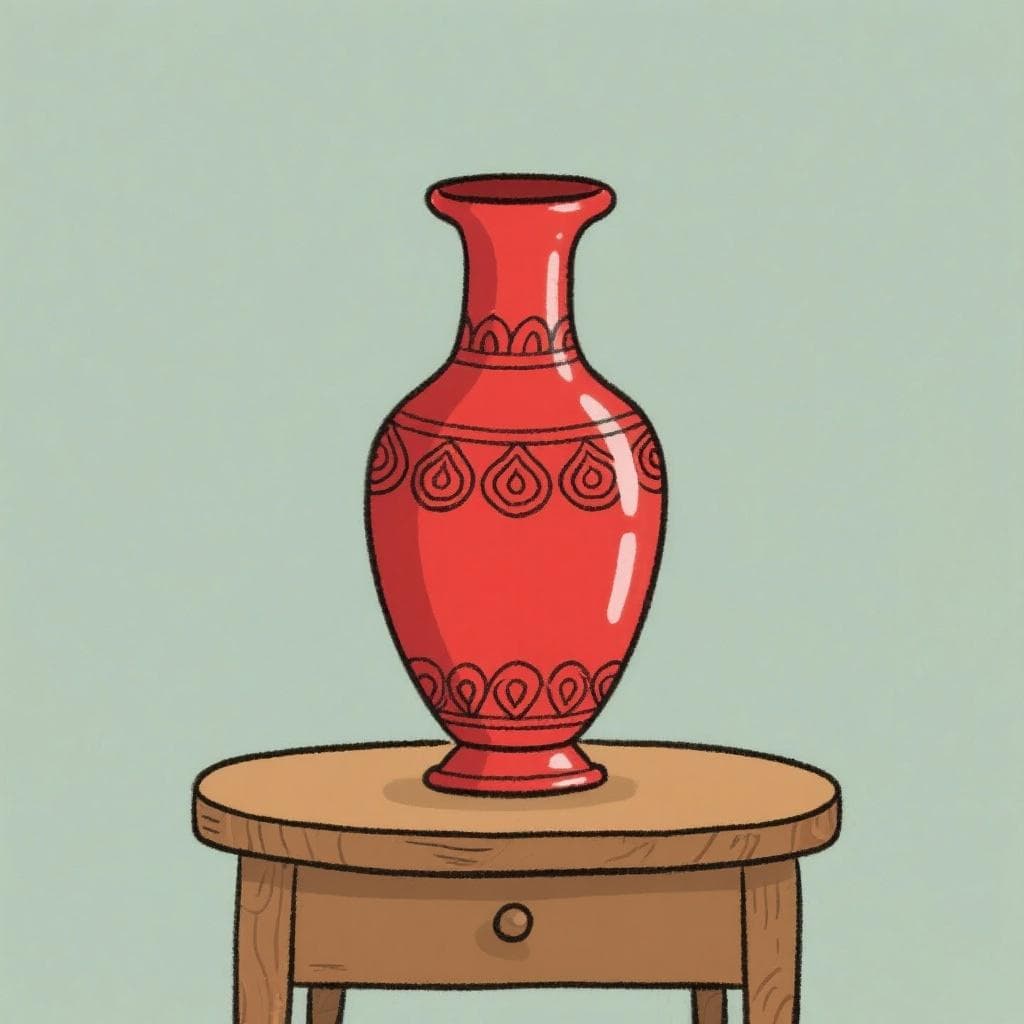
el ja-RRÓN RO-jo de JUA-na
- English
- Juana's red vase.
44. Jamás jamé jamón.
ja-MÁS ja-MÉ ja-MÓN
- English
- A deliberately playful sentence built around J sounds.
45. José juega con Juan.
- English
- José plays with Juan.
46. Jorge baja la caja.
- English
- Jorge lowers the box.
47. Julia dejó el ajo.
- English
- Julia left the garlic.
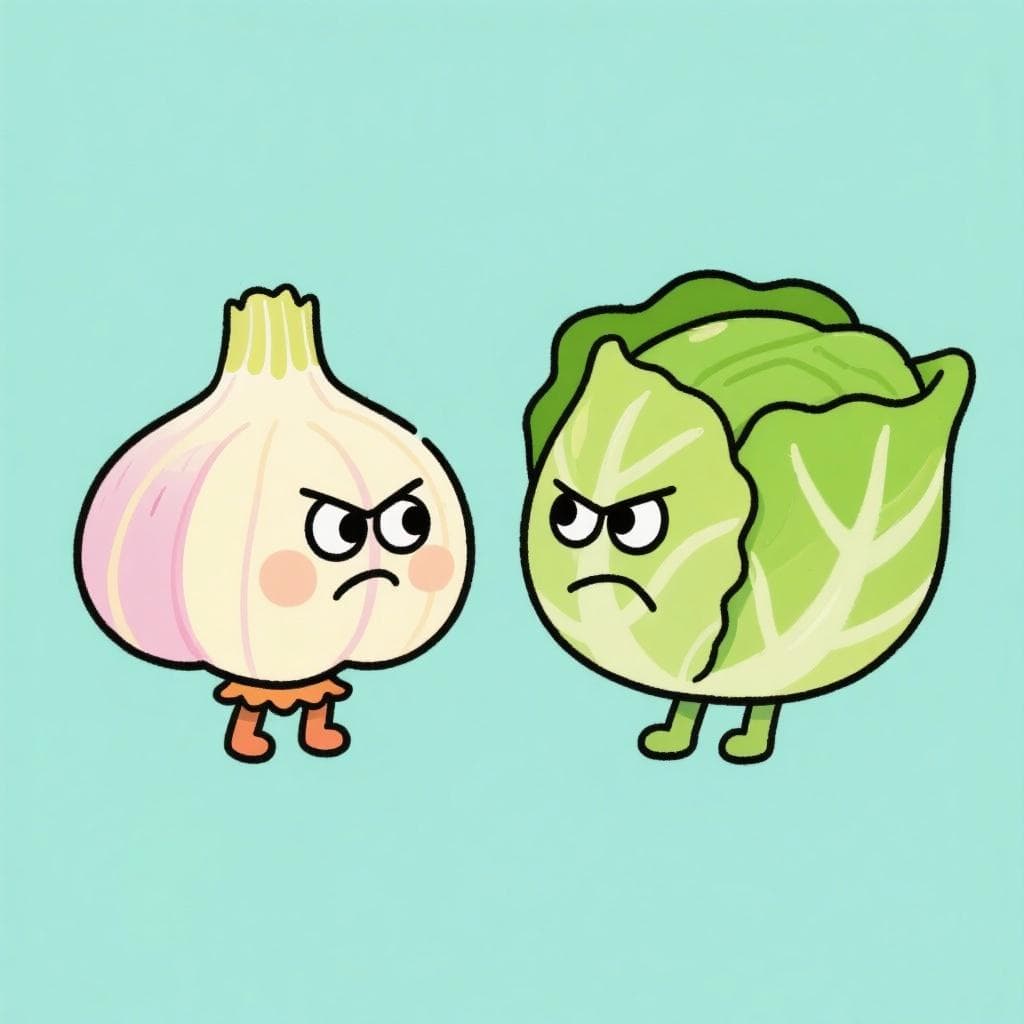
48. El ajo picó a la col, la col picó al ajo.
el A-jo pi-CÓ a la COL, la COL pi-CÓ al A-jo
- English
- The garlic bit the cabbage; the cabbage bit the garlic.
It doesn't need to make much sense. That's not the garlic's job.
49. Juan lleva un jersey rojo.
- English
- Juan is wearing a red sweater.
50. La jirafa de Jorge gira.
- English
- Jorge's giraffe turns.
Spanish tongue twisters with L and LL
The Spanish L is generally lighter than the dark L many English speakers use at the end of words such as "full." Your tongue tip stays toward the front of the mouth.
51. Lola la lila la lía.
LO-la la LI-la la LÍ-a
- English
- A short but surprisingly useful L drill.
Say: LO-la — la — LI-la — la — LÍ-a.
52. Lalo lee libros largos.
- English
- Lalo reads long books.
53. Lola lava la lana.
KI-lo de LI-la LA-ca
- English
- Lola washes the wool.
54. Lila lee lentamente.
- English
- Lila reads slowly.
55. La luna llena brilla.
- English
- The full moon shines.
56. Llueve sobre la llave.
YO-ra la LO-ra
- English
- It rains on the key.
57. Llama a Lola.
- English
- Call Lola.
58. Lleva la llave Lola.
- English
- Lola carries the key.
59. Lalo pela limones.
- English
- Lalo peels lemons.
60. Lola limpia la lámpara.
LI-rios LI-las le GUS-tan a LI-lia
- English
- Lola cleans the lamp.

Spanish tongue twisters for P
61. Pepe Pecas pica papas con un pico.
- English
- Freckled Pepe chops potatoes with a pick.
Another famous trabalenguas.
62. Pablito clavó un clavito.
pa-BLI-to cla-VÓ un cla-VI-to en la CAL-va de un cal-VI-to
- English
- Little Pablo hammered in a little nail.
The famous longer version asks: "¿Qué clavito clavó Pablito?"
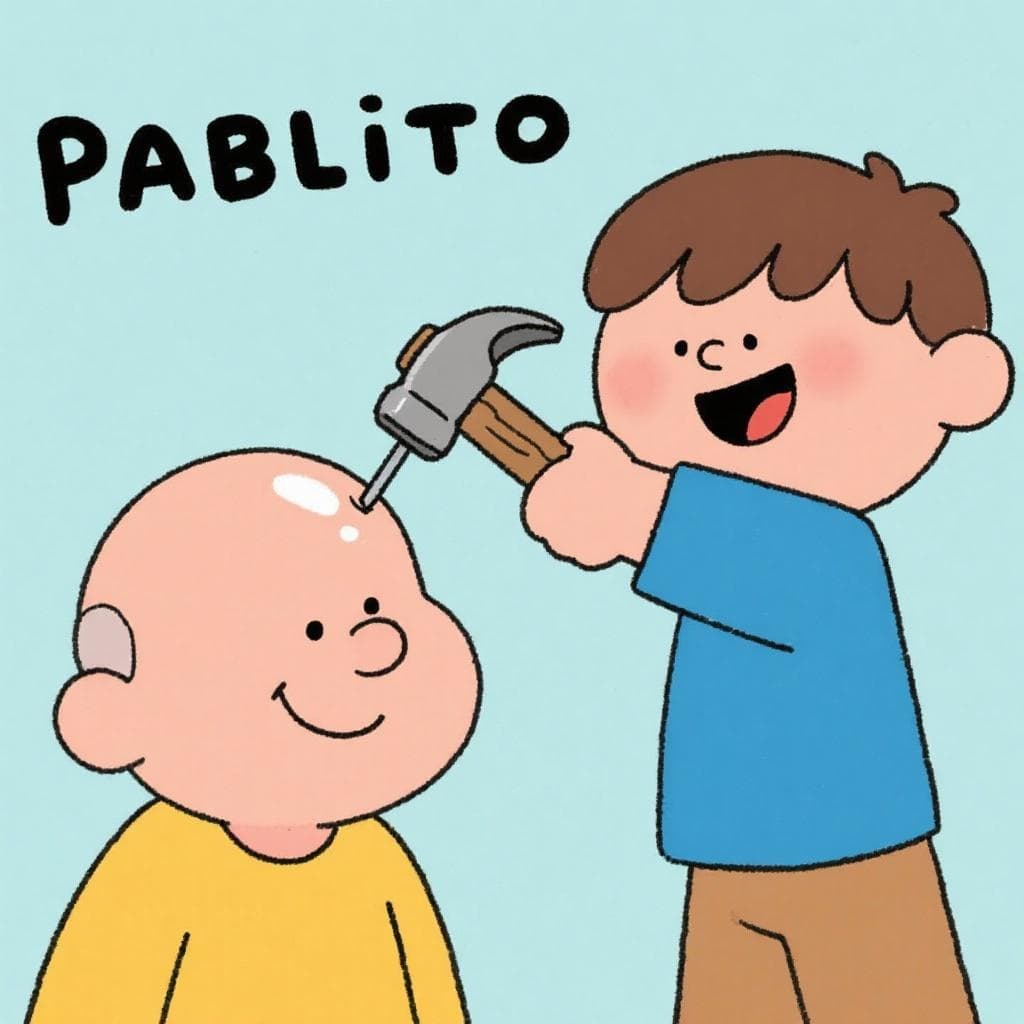
63. Papá pone pan para Pepín.
pa-PÁ PO-ne pan PA-ra pe-PÍN
- English
- Dad puts bread out for Pepín.
64. Pide perdón por piedad.
PI-de per-DÓN por pie-DAD
- English
- Ask forgiveness out of mercy.
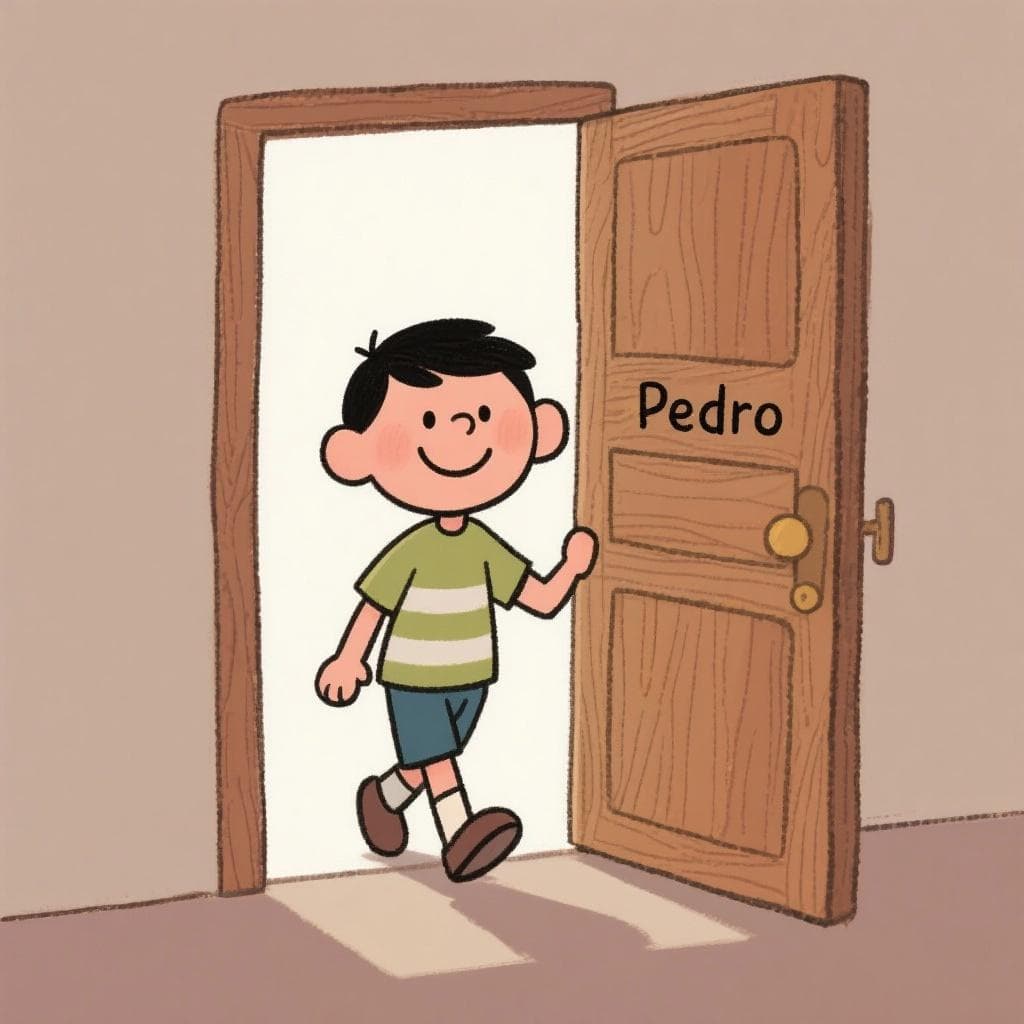
65. Por la puerta va Pedro.
por la PUER-ta va PE-dro
- English
- Pedro goes through the door.
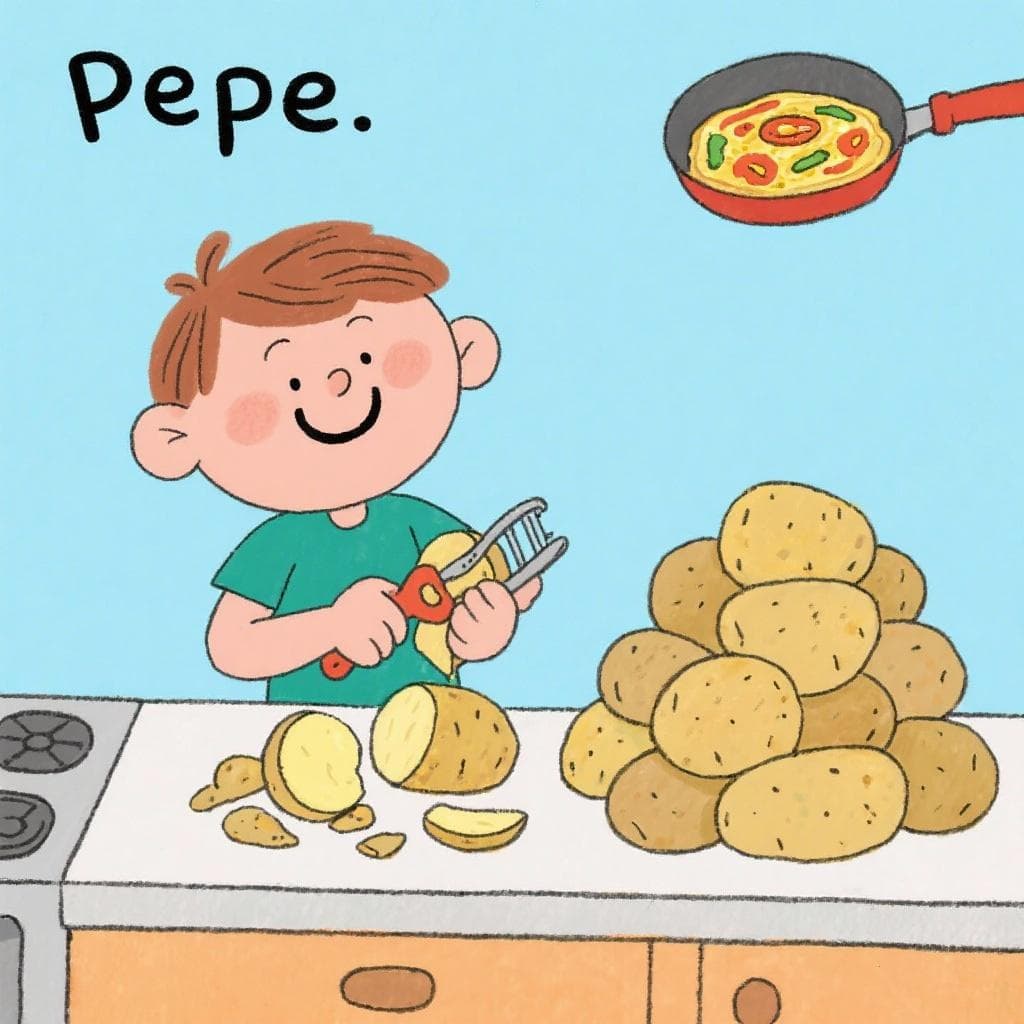
66. Pepe pela patatas para una tortilla.
PE-pe PE-la pa-TA-tas PA-ra U-na tor-TI-lla
- English
- Pepe peels potatoes for an omelet.
Spanish tongue twisters with C, Q and K sounds
67. ¿Qué queso quiere Quico?
KE KE-so KIE-re KI-ko
- English
- What cheese does Quico want?
Practice Spanish que and qui, where the U is silent.
68. Quico quiere queso.
KI-ke KIE-re KE-so
- English
- Quico wants cheese.
69. Coco come poco coco.
YO no COM-pro CO-co
- English
- A compact variation on a famous coconut tongue twister.
70. El que poco coco come, poco coco compra.
el ke PO-co CO-co CO-me, PO-co CO-co COM-pra
- English
- Whoever eats little coconut buys little coconut.
Try saying "poco coco" quickly five times.
71. Compadre, cómprame un coco.
- English
- Friend, buy me a coconut.
A longer traditional sequence plays repeatedly with compro, coco, and como.
Spanish tongue twisters with CH
72. Charo echa chocolate.
CHE-ma CO-me CHO-chos AN-chos
- English
- Charo pours chocolate.
73. Chucho escucha a Charo.
CHI-cos ee CHI-cas CHAR-lan
- English
- Chucho listens to Charo.
74. Ocho coches chocan.
- English
- Eight cars crash.
Probably not ideal traffic safety. Excellent CH practice.
75. Chiqui come chocolate.
el cho-RI-so de CHE-lo
- English
- Chiqui eats chocolate.
Spanish tongue twisters with S
76. Sara seca seis sábanas.
la SAL del sa-LE-ro SA-le SO-la
- English
- Sara dries six sheets.
77. Susana sale sola.
SU-si SU-ma sin sa-BER su-MAR
- English
- Susana goes out alone.
78. Seis serpientes suben.
SIE-te ser-PIEN-tes se-RE-nas
- English
- Six snakes climb.
79. Siete sapos saltan.
el SA-po se sen-TÓ SO-lo
- English
- Seven toads jump.

80. Si Sansón no sazona su salsa con sal...
- English
- The beginning of another traditional Spanish sound exercise built around repeated S sounds.
The point is not speed at first. Keep every S clean and consistent.
Spanish tongue twisters for vowels
Spanish vowels are wonderfully consistent compared with English. There are five: A — E — I — O — U. But learners often unconsciously import English vowel movement into Spanish. These phrases force the vowels to stay clean.
81. Ana ama a Ana.
- English
- A practice phrase dominated by A.
82. Pepe bebe leche.
- English
- Practice E.
83. Pili vive sin Mimi.
- English
- Practice I.
84. Coco come poco.
- English
- Practice O.
85. Lulú usa tutú.
- English
- Practice U.
86. Lado, ledo, lido, lodo, ludo.
LA-do, LE-do, LI-do, LO-do, LU-do
- English
- One of the best compact Spanish vowel exercises.
Say it slowly first: LA — LE — LI — LO — LU. Then increase your speed without changing the vowels.
Longer Spanish tongue twisters
Now things become less polite.
87. El cielo está enladrillado.…
El cielo está enladrillado. ¿Quién lo desenladrillará? El desenladrillador que lo desenladrille, buen desenladrillador será.
- English
- The sky is bricked over. Who will unbrick it? The unbricker who unbricks it will be a good unbricker.
The repeated invented-looking forms are exactly why this is difficult.
88. Pablito clavó un clavito.…
Pablito clavó un clavito. ¿Qué clavito clavó Pablito?
- English
- Little Pablo hammered in a little nail. What little nail did little Pablo hammer in?
89. Compadre, cómprame un coco.…
Compadre, cómprame un coco. Compadre, coco no compro, porque como poco coco, poco coco compro.
- English
- This one quickly becomes a blur of co, com, and po.
90. Erre con erre cigarro,…
Erre con erre cigarro, erre con erre barril, rápido corren los carros cargados de azúcar del ferrocarril.
- English
- A classic workout for anyone learning to roll an R.
Hard Spanish tongue twisters
91. Tres tristes tigres...
- English
- Try the famous tiger tongue twister three times consecutively without pausing.
The difficulty rises very quickly once your mouth gets ahead of your brain.
92. Guerra tenía una parra...
- English
- A traditional Spanish tongue twister plays on the surnames/words Guerra, Parra, perra, and parra in rapidly repeating combinations.
Use this kind of tongue twister only after your R and RR are already reasonably comfortable.
93. Parra tenía una perra...
- English
- The same family of sounds can be rearranged into drills involving Parra, perra, parra, and Guerra.
The difficulty is distinguishing taps and trills without slowing down.
94. El arzobispo de Constantinopla se quiere desarzobispoconstantinopolizar...
- English
- A famous class of Spanish tongue twisters that keeps building increasingly ridiculous words from Constantinopla and arzobispo.
It is not particularly useful vocabulary. It is excellent mouth gymnastics.
95. El otorrinolaringólogo trabaja en otorrinolaringología.
- English
- Spanish speakers have long recognized that otorrinolaringólogo — otorhinolaryngologist — is basically a tongue twister before you even add another word.
Funny Spanish tongue twisters
Tongue twisters work particularly well when the mental image is ridiculous.
96. El perro de Rita me irrita.
- English
- Rita's dog irritates me.
The repeated R sounds make the irritation surprisingly appropriate.
97. El oso mimoso me ama.
el O-so mi-MO-so me A-ma
- English
- The cuddly bear loves me.
Very easy. Very wholesome.

98. Camarón, caramelo, camarón.
ca-ma-RÓN, ca-ra-ME-lo, ca-ma-RÓN
- English
- Shrimp. Caramel. Shrimp again.
Nobody knows why this conversation is happening.
99. La cabra brava brinca.
- English
- The fierce goat jumps.
Useful for BR.
100. El bebé bebe bebidas con burbujas.
el be-BÉ BE-be be-BI-das con bur-BU-jas
- English
- The baby drinks bubbly drinks.
A nice final B/V-style warm-up.

How to practice Spanish tongue twisters properly
The goal isn’t to become the world champion of saying Tres tristes tigres. You’re trying to train movements that transfer into normal speech.
Step 1: Listen first
Before repeating a phrase, make sure you know what the target sound should actually sound like — use the slow audio above. Otherwise you risk practicing the wrong pronunciation very efficiently.
Step 2: Say each word separately
For tres tristes tigres tragan trigo, start with tres, then tristes, then tigres, then tragan, then trigo.
Step 3: Combine two or three words
Now say tres tristes, then tristes tigres, then tigres tragan trigo.
Step 4: Say the entire phrase slowly
Accuracy matters more than speed.
Step 5: Repeat it three times
Once it is clean, repeat without pausing.
Step 6: Increase your speed gradually
If your pronunciation falls apart, slow down again. That’s not failure — that’s literally the exercise telling you where your limit is.
Which Spanish tongue twisters should you practice?
It depends on your problem. Find the sounds that actually give you trouble — you don’t need to practice all 100.
| If you struggle with... | Practice... |
|---|---|
| Rolling RR | Erre con erre, Rosa riega las rosas rojas |
| R vs RR | Pero el perro corre rápido |
| TR | Tres tristes tigres |
| B/V | Bebo vino bien bebido |
| J | Juan junta juncos junto a la zanja |
| L | Lola la lila la lía |
| P | Pepe Pecas, Papá pone pan para Pepín |
| CL | Cae la clave del clavo |
| CH | Ocho coches chocan |
| Spanish vowels | Lado, ledo, lido, lodo, ludo |
Easy vs. difficult Spanish tongue twisters
If you’re a beginner, start with phrases containing one repeated sound: Ana tiene una banana, Papá pone pan para Pepín, Lola lava la lana.
Once those become comfortable, move into consonant clusters: Blas habla con blusa blanca, Cae la clave del clavo.
Then tackle combinations involving R: Tres tristes tigres tragan trigo en un trigal.
Finally, graduate to longer traditional trabalenguas.
Why tongue twisters actually help pronunciation
Pronunciation is partly a motor skill. You may intellectually understand how the Spanish rolled R works and still be unable to produce it reliably — your mouth needs practice performing the movement.
That’s why repeatedly saying Rosa riega las rosas rojas can accomplish something that reading another explanation of the alveolar trill cannot. The repetition forces your tongue, lips, and airflow to coordinate. Eventually the movement requires less conscious attention.
When you’re actually speaking Spanish, you don’t want to stop mid-sentence and think about tongue placement. You just want to say the word.
Tongue twisters vs. real Spanish
There is one important limitation: nobody actually speaks in tongue twisters.
Practicing Tres tristes tigres tragan trigo en un trigal can help you learn the TR and R movements, but it cannot teach you how those sounds behave inside a natural conversation.
That’s why pronunciation drills work best alongside real input. Practice the difficult movement with a tongue twister, then listen to and read Spanish where the same sounds appear naturally — for example, a story containing María cerró la puerta y corrió hacia el tren.
Now the same mouth movements are attached to meaningful language. That’s the bridge from pronunciation exercise to actually speaking Spanish.
Frequently asked questions about Spanish tongue twisters
What is "tongue twister" in Spanish?
A tongue twister is called a trabalenguas. The word combines traba (obstacle / something that trips you up) and lenguas (tongues) — the Spanish word is itself wonderfully descriptive.
What is the most famous Spanish tongue twister?
"Tres tristes tigres tragan trigo en un trigal" is one of the best-known Spanish tongue twisters. It is especially useful for practicing the TR consonant combination.
What is the best Spanish tongue twister for rolling R?
A classic choice is "Erre con erre cigarro, erre con erre barril...", because it repeatedly forces you to produce strong R/RR sounds.
What are some easy Spanish tongue twisters?
Good beginner options include "Ana tiene una banana," "Papá pone pan para Pepín," "Bebo vino bien bebido," "Gira la jirafa gigante," and "Blas habla con blusa blanca."
Do tongue twisters improve Spanish pronunciation?
They can help because they repeatedly train particular sound combinations. They're most effective when you know which sound you're targeting and prioritize accurate pronunciation before speed.
Should beginners practice Spanish tongue twisters?
Yes, but choose short ones. A beginner gains more from clearly repeating a five-word phrase than struggling through an enormous traditional tongue twister at full speed.
How often should I practice tongue twisters?
A few minutes of focused repetition is enough. Pronunciation practice benefits more from frequent, accurate repetition than from spending an hour mangling the same sentence once a month.
From pronunciation practice to actual Spanish
Tongue twisters isolate a difficult sound. Stories put that sound back into a language.
That’s ultimately the progression you want: hear the sound, practice the sound, recognize it in words, encounter those words naturally, and stop thinking about the sound at all.
Pick two or three trabalenguas targeting the sounds you struggle with, practice them slowly, then go read something where Spanish is being used for an actual reason.