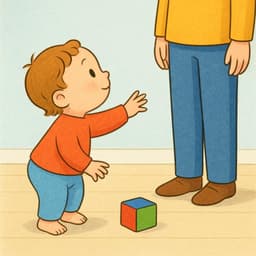
Pide perdón por piedad.
PI-de per-DÓN por pie-DAD
Ask for forgiveness out of pity.
🔊 Listen & Practice
Start with slow speed to master pronunciation, then gradually increase to challenge yourself.
🎨 Visualization

Pide perdón por piedad. Practice the clean 'p' and soft 'd' sounds.
🎯 Pronunciation Focus
The Unaspirated 'p'
pFocus on a clean, crisp 'p' sound without the puff of air you'd use in English words like 'pie'. Hold your hand in front of your mouth; you shouldn't feel a strong burst of air.
The Soft 'd' Sound
ðThe 'd' sound in 'pide', 'perdón', and 'piedad' is soft. The tip of your tongue should lightly touch the back of your top teeth, not the roof of your mouth. It sounds very similar to the 'th' in the English word 'the'.
📝 Practice Breakdown
Start with the 'p' sounds. Make them sharp and without a puff of air. The 'd' in 'pide' and 'perdón' should be soft, like the 'th' in 'the'.
Again, focus on a clean 'p' sound. The final 'd' in 'piedad' is very soft, almost silent in some accents. Aim for a gentle touch of the tongue to the back of your teeth.
Key Words in This Tongue Twister:


📚 Background
This is a short, classic 'trabalenguas' that's excellent for beginners. It drills the unaspirated 'p' and the soft 'd' sound, two subtle but important features of Spanish pronunciation that can make you sound much more natural.
❌ Common Pitfalls
Puffing the 'p'
Mistake: “Pronouncing the 'p' in 'pide', 'perdón', and 'piedad' with a strong puff of air, like in the English word 'pop'.”
Correction: The Spanish 'p' is 'unaspirated'. To practice, hold a piece of paper or your hand in front of your mouth. When you say 'pide', the paper shouldn't move much. It's a cleaner, crisper sound.
Using a Hard 'd'
Mistake: “Pronouncing the 'd' in 'pide' or 'piedad' like the hard 'd' in the English word 'dog'.”
Correction: When a 'd' comes between vowels in Spanish, it softens. Let the tip of your tongue gently touch the back of your upper teeth. It should feel much lighter and sound more like the 'th' in 'this' or 'that'.
🌎 Where It''s Used
General Spanish
This phrase is universally understood and is a great pronunciation exercise for all learners, regardless of the region they are focusing on.
🔗 Related Tongue Twisters
The Pardon Challenge
Say 'Pide perdón por piedad' five times in a row. Try to keep the 'p' sounds crisp and the 'd' sounds soft every single time. Can you do it without reverting to the English sounds?
🏷️ Tags
Frequently Asked Questions
Why is the Spanish 'p' sound different from the English 'p'?
It's about aspiration, or a puff of air. In English, we aspirate letters like 'p', 't', and 'k' at the beginning of a word. In Spanish, these sounds are unaspirated, meaning they are produced without that extra puff of air. This makes them sound cleaner and sharper to an English speaker's ear.
When is the Spanish 'd' soft?
A great rule of thumb is that the Spanish 'd' becomes soft (like the 'th' in 'the') whenever it appears between two vowels (like in 'pide') or at the end of a word (like in 'piedad'). At the beginning of a word, it's closer to the English hard 'd'.