How to Say "appreciation" in Spanish
The most common Spanish word for “appreciation” is “agradecimiento” — use this word when you want to express thanks or gratitude for something specific someone has done for you.

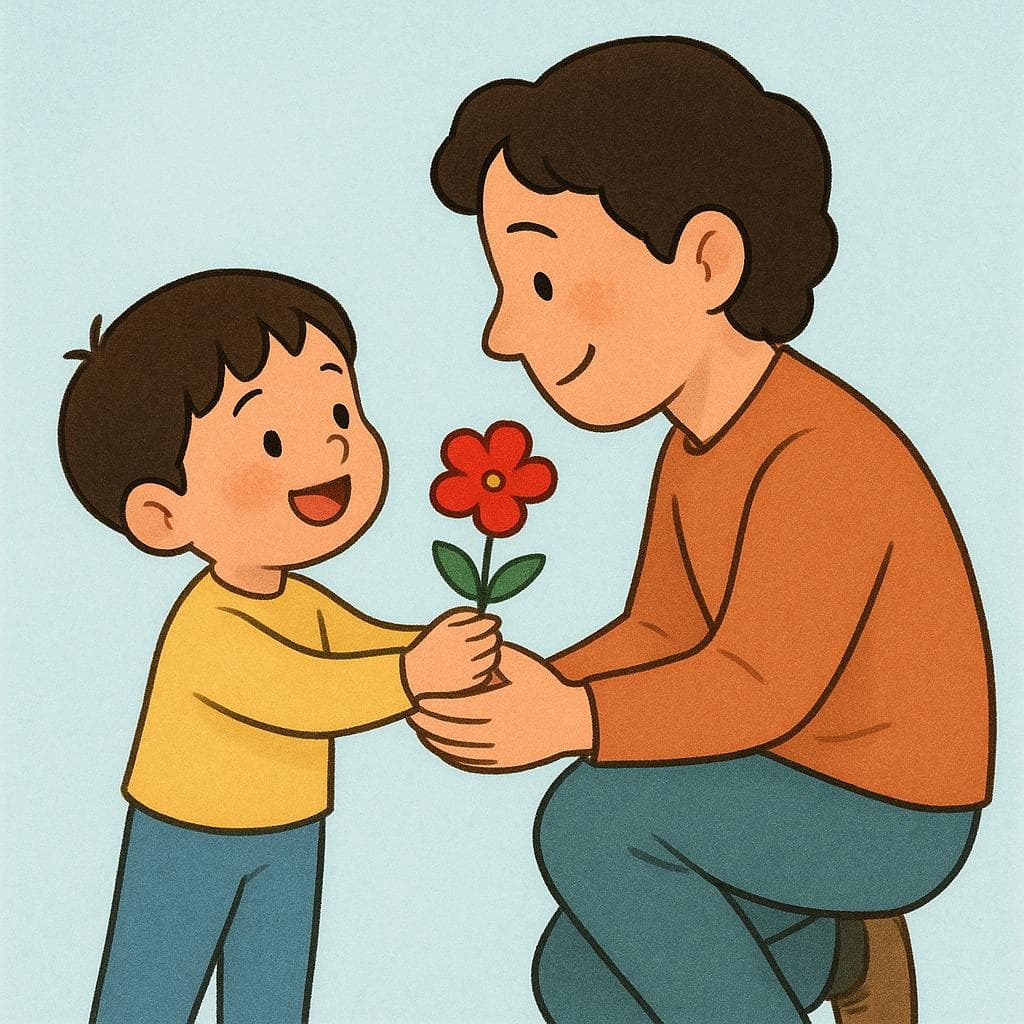

agradecimiento
ah-grah-deh-see-MYEN-tohaɣɾaðesiˈmjento

Examples
Quiero expresarte mi más sincero agradecimiento por tu ayuda.
I want to express my most sincere gratitude for your help.
Su gesto de agradecimiento fue muy emotivo.
His gesture of thanks (or appreciation) was very moving.
El agradecimiento es una de las emociones más positivas.
Thankfulness is one of the most positive emotions.
Using the preposition 'por'
When you mention the reason for the gratitude, always use 'por' (for): 'Agradecimiento por el regalo' (Gratitude for the gift).
Confusing Noun and Verb
Mistake: “Using 'agradecimiento' when you should use the verb 'agradecer'. E.g., 'Yo agradecimiento tu ayuda.'”
Correction: Use the correct verb form: 'Yo agradezco tu ayuda.' ('Agradecimiento' is the feeling itself, not the action of thanking.)
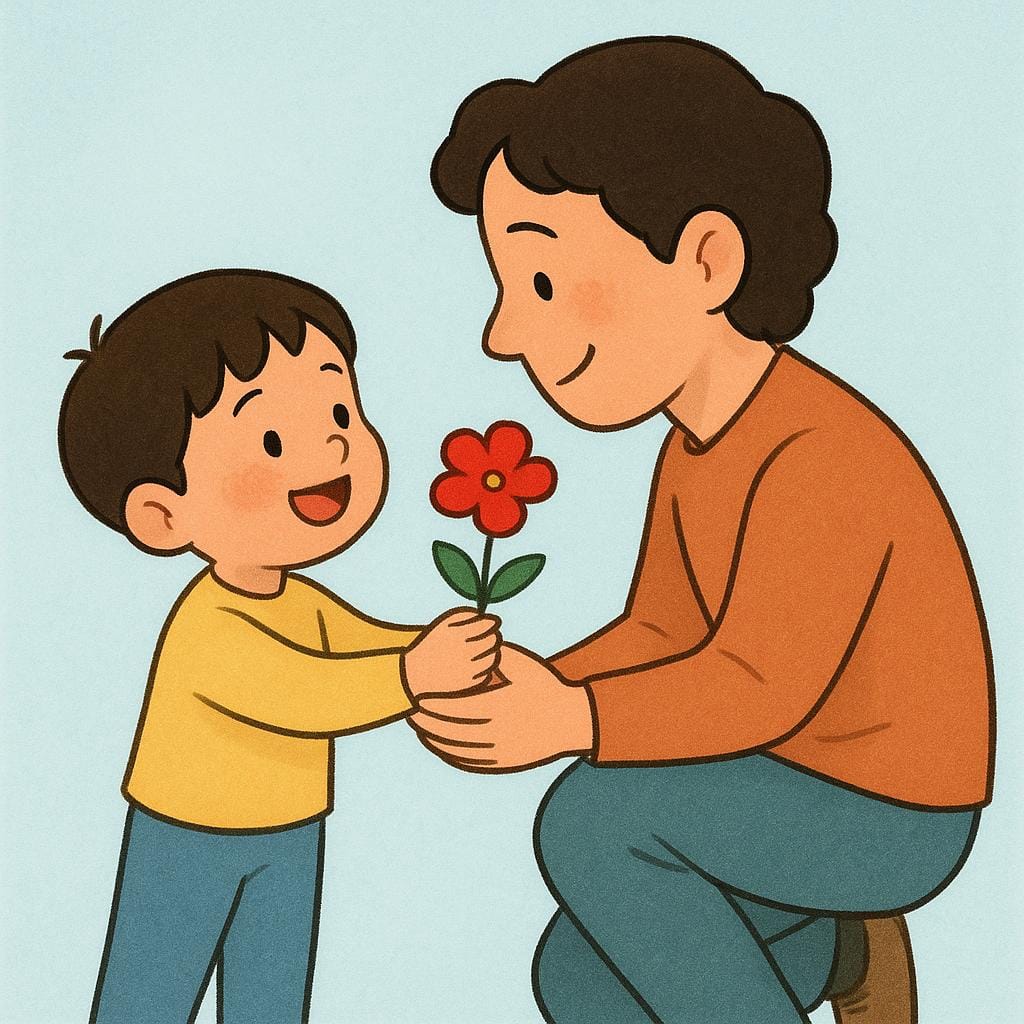
aprecio
ah-PREH-see-ohaˈpɾe.sjo
Examples
Le tengo un gran aprecio por su ayuda desinteresada.
I have great appreciation for his selfless help.
Me da mucho gusto que sientas aprecio por mi trabajo.
I'm very pleased that you feel appreciation for my work.
Al final de la carta, escribió 'Con mi mayor aprecio'.
At the end of the letter, she wrote 'With my highest regard'.
Using the Noun
The noun 'aprecio' is masculine, so always use 'el' or 'un' before it. It often follows verbs like 'tener' (to have) or 'mostrar' (to show).
Confusing Noun and Verb
Mistake: “Using 'aprecio' as a verb for 'he/she appreciates' (e.g., *Él aprecio su ayuda*).”
Correction: The verb form for 'he/she appreciates' is 'aprecia'. 'Aprecio' is only the noun or the 'I' form of the verb.
gratitud
grah-tee-TOODɡratiˈtuð

Examples
Quiero expresar mi profunda gratitud por su ayuda.
I want to express my deep gratitude for your help.
La gratitud es un sentimiento que nos hace mejores personas.
Gratitude is a feeling that makes us better people.
Lo hizo como una muestra de gratitud.
He did it as a sign of thankfulness.
Gender Rule
Like many Spanish words that end in -tud (e.g., actitud, juventud), 'gratitud' is always a feminine noun. You must use feminine words like 'la' or 'mucha' before it: 'la gratitud' (the gratitude).
Using the Adjective
Mistake: “A common error is confusing the noun 'gratitud' with the related adjective 'agradecido/a' (grateful).”
Correction: Use 'gratitud' when talking about the feeling itself (e.g., 'Siento gratitud'). Use 'agradecido' when describing a person (e.g., 'Estoy agradecida' – I am grateful).
apreciación
Examples
Su apreciación del arte moderno es muy profunda.
His appreciation of modern art is very deep.
estimación
Examples
Le tengo una gran estimación a mi antiguo jefe.
I have great esteem for my old boss.
Gratitude vs. Value Recognition
Related Translations
Learn Spanish with Inklingo
Interactive stories, personalized learning, and more.