How to Say "bent" in Spanish
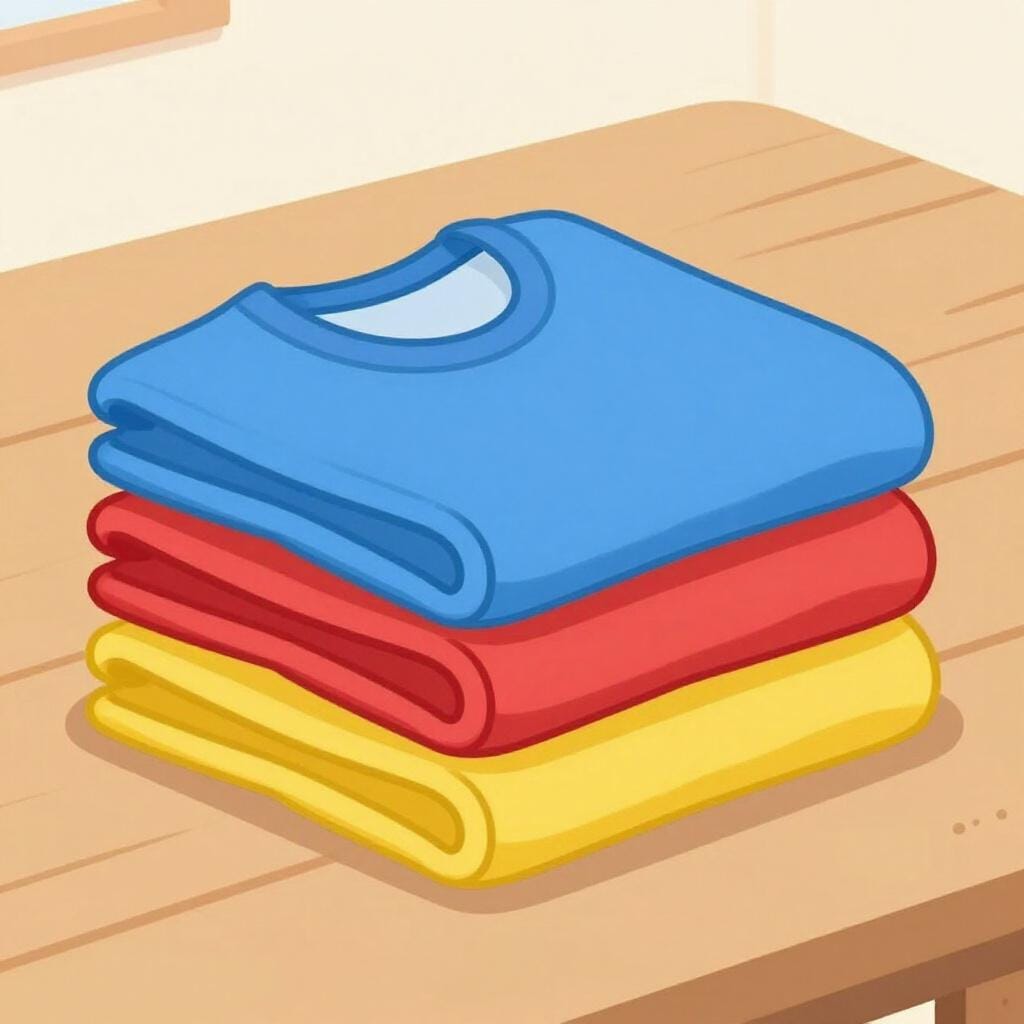
The most common Spanish word for “bent” is “doblado” — use 'doblado' when referring to something that has been folded, like laundry or paper, or a straight object that has lost its shape by being folded.
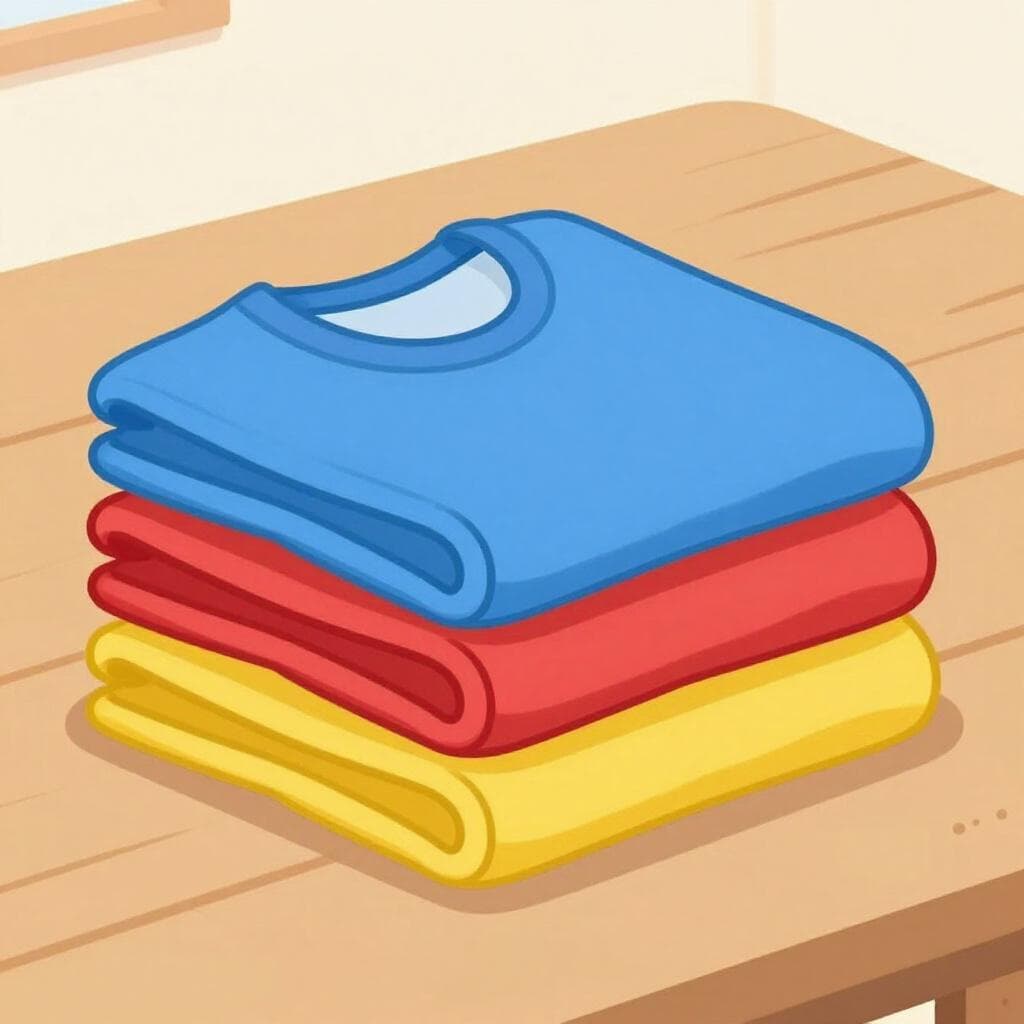

doblado
doh-blah-dohdoˈβlaðo
Examples
La carta estaba doblada en tres partes.
The letter was folded in three parts.
La ropa limpia ya está doblada en el armario.
The clean clothes are already folded in the closet.
El tenedor está doblado y no se puede usar.
The fork is bent and cannot be used.
Ten cuidado con ese papel doblado por la mitad.
Be careful with 그at paper folded in half.
Matching the Noun
Since this is an adjective here, it must change to match what you are describing. Use 'doblada' for feminine things like 'ropa' (clothes) and 'doblados' for plurals.
Describing People
Mistake: “El abuelo está doblado.”
Correction: El abuelo está encorvado.
torcido
tor-SEE-dohtoɾˈθiðo

Examples
El marco del espejo está un poco torcido.
The mirror's frame is a bit crooked.
Ese cuadro en la pared está un poco torcido.
That painting on the wall is a bit crooked.
La línea que dibujaste te salió torcida.
The line you drew came out crooked.
El árbol creció torcido por el viento fuerte.
The tree grew twisted because of the strong wind.
Matching the Gender
Since this is a word that describes things, you must change the ending to 'torcida' if you are talking about a feminine object, like 'la mesa' or 'la calle'.
Using 'Estar' vs 'Ser'
Use 'estar' when you want to say something is currently crooked but could be fixed (like a picture). Use 'ser' only if you are describing a permanent characteristic (like a naturally twisted tree).
Don't confuse with 'doblado'
Mistake: “Using 'torcido' for a folded piece of paper.”
Correction: Use 'doblado' for things that are neatly folded, and 'torcido' for things that are messy, bent, or out of alignment.
retorcido
reh-tor-THEE-dohre.toɾ.ˈθi.ðo
Examples
Se lastimó el tobillo y quedó retorcido.
He injured his ankle and it was twisted.
La rama del árbol está muy retorcida.
The tree branch is very twisted.
Tiramos los cables retorcidos a la basura.
We threw the twisted cables in the trash.
Después del accidente, el metal quedó retorcido.
After the accident, the metal was left mangled and twisted.
Matching the word to the noun
This word must change its ending to match the thing it describes. Use 'retorcido' for masculine things (el cable) and 'retorcida' for feminine things (la rama).
Using it with 'estar'
When describing the physical state of something that has become twisted, use the verb 'estar' (e.g., 'El metal está retorcido').
Confusing with 'torcido'
Mistake: “La calle es retorcida.”
Correction: La calle es torcida.
Doblado vs. Torcido
Learn Spanish with Inklingo
Interactive stories, personalized learning, and more.