How to Say "folded" in Spanish
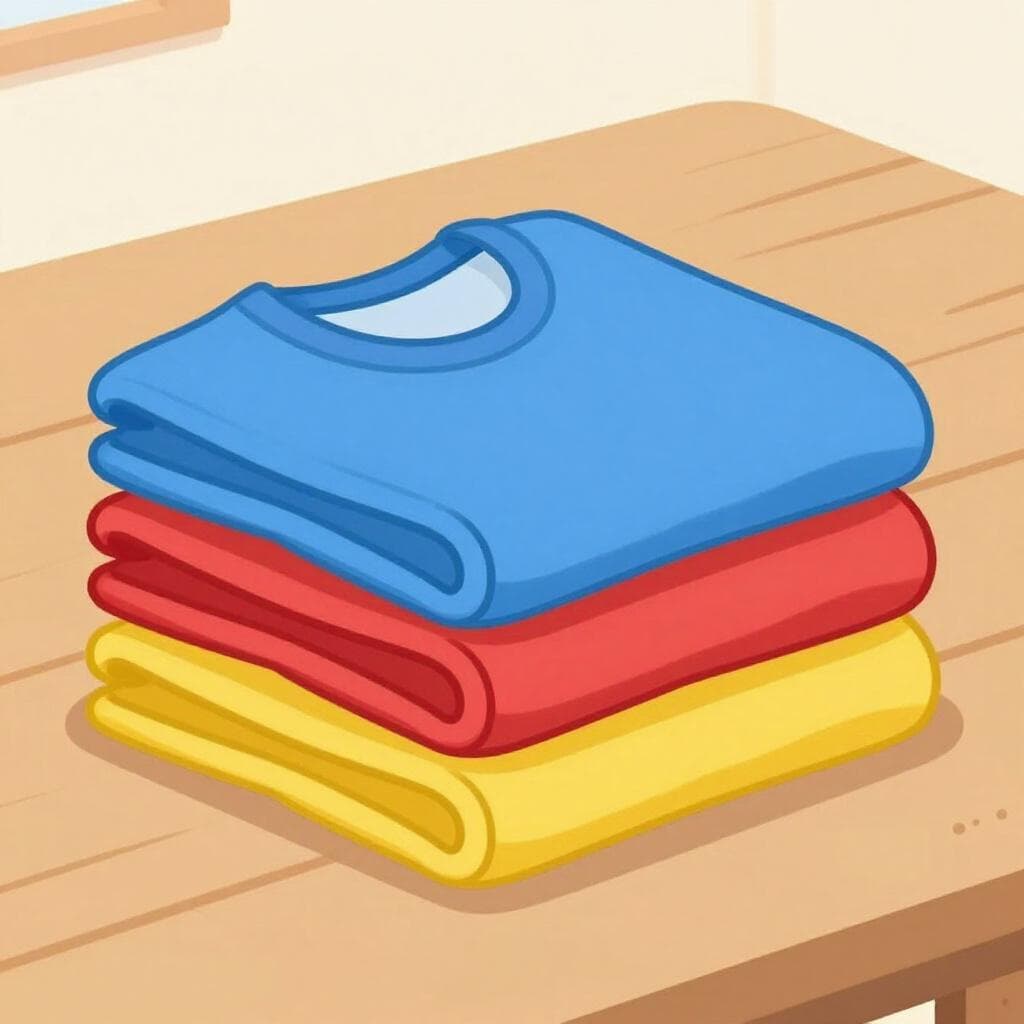
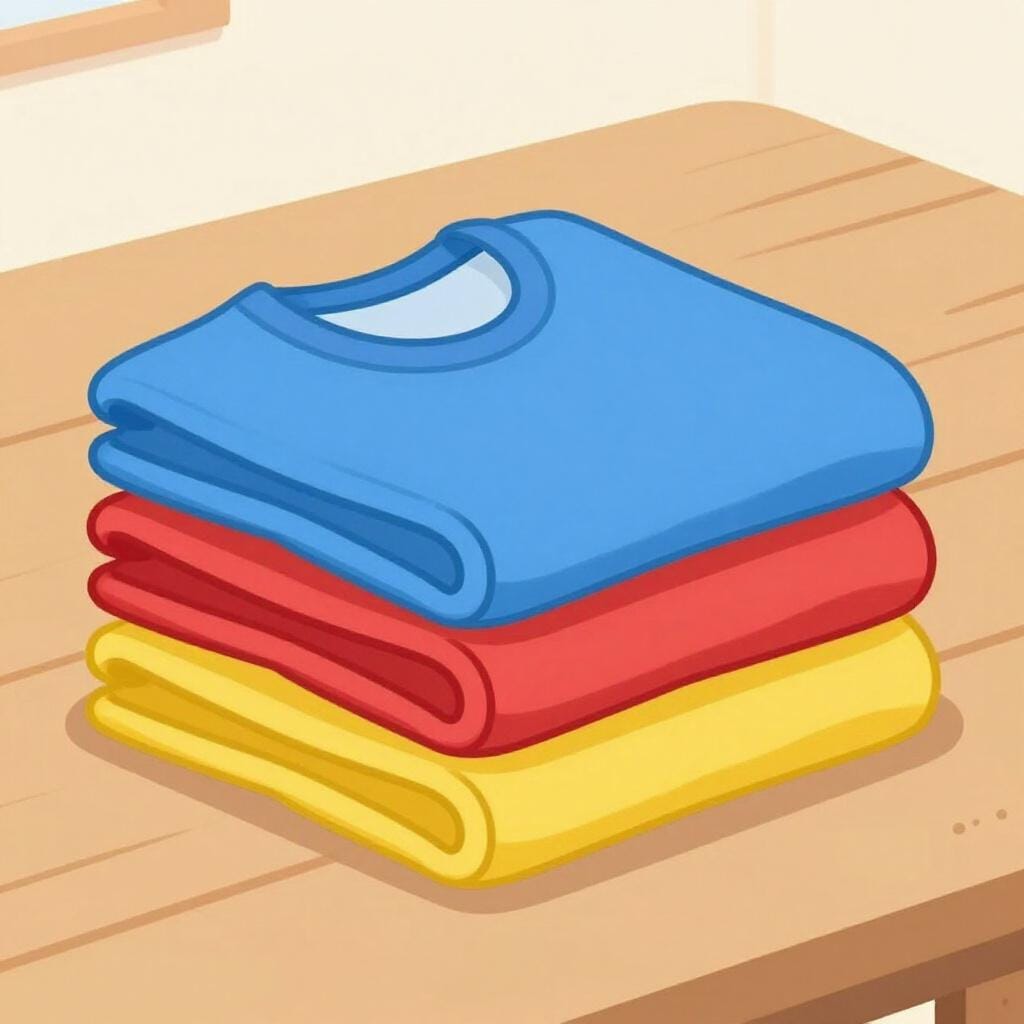
The most common Spanish word for “folded” is “doblado” — use this word when referring to items like clothes, paper, or materials that have been physically creased or bent over onto themselves.
doblado
doh-blah-dohdoˈβlaðo
Examples
La ropa limpia ya está doblada en el armario.
The clean clothes are already folded in the closet.
El tenedor está doblado y no se puede usar.
The fork is bent and cannot be used.
Ten cuidado con ese papel doblado por la mitad.
Be careful with 그at paper folded in half.
He doblado el mapa para que quepa en el bolsillo.
I have folded the map so it fits in the pocket.
Matching the Noun
Since this is an adjective here, it must change to match what you are describing. Use 'doblada' for feminine things like 'ropa' (clothes) and 'doblados' for plurals.
The 'Have' Form
When you use 'doblado' after 'he', 'has', 'ha', etc., it never changes its ending, regardless of who did the action.
Describing People
Mistake: “El abuelo está doblado.”
Correction: El abuelo está encorvado.
Turning Corners
Mistake: “Gira la esquina.”
Correction: Dobla la esquina (though 'girar' is used for the action of turning, 'doblar' is much more common for corners).
doblado
Examples
He doblado el mapa para que quepa en el bolsillo.
I have folded the map so it fits in the pocket.
cruzado
kroo-SAH-dohkruˈsaðo
Examples
Tenía los brazos cruzados, esperando pacientemente.
He had his arms crossed, waiting patiently.
Las líneas cruzadas indican una intersección.
The crossed lines indicate an intersection.
Este perro es un cruce, un animal cruzado de dos razas.
This dog is a mix, a cross-bred animal of two races.
Agreement Rule
As an adjective, 'cruzado' must match the noun it describes in gender (masculine/feminine) and number (singular/plural). For example, 'brazos' (masculine, plural) requires 'cruzados'.
Folding Clothes vs. Crossed Arms
Related Translations
Learn Spanish with Inklingo
Interactive stories, personalized learning, and more.