How to Say "bring" in Spanish
The most common Spanish word for “bring” is “traiga” — use 'traiga' when you are asking or telling one person (formal 'usted') to transport something to your location or the location being discussed.


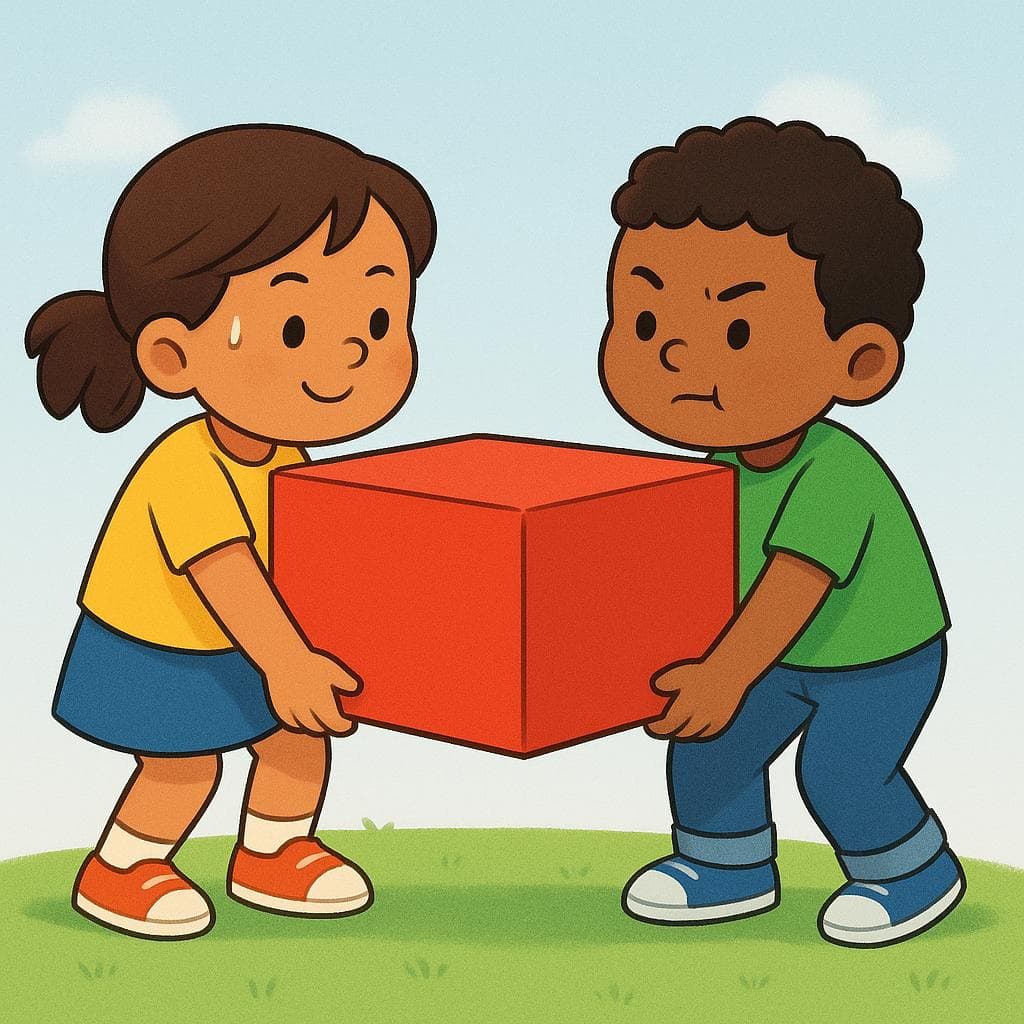
traiga
TRY-gahˈtɾai̯.ɣa

Examples
Por favor, traiga el informe a mi oficina antes de las cinco.
Please bring the report to my office before five.
Quiero que usted traiga el postre mañana.
I want you (formal) to bring the dessert tomorrow.
Ojalá yo traiga el paraguas, está lloviendo.
I wish I had brought the umbrella, it's raining. (Literally: Hopefully I bring the umbrella)
Traiga su identificación, por favor.
Bring your ID, please. (Formal command)
A Special Verb Form
‘Traiga’ is the special verb form (present subjunctive) used after expressions of desire, doubt, or necessity (e.g., Es necesario que, Dudo que, Quiero que).
Formal Command
This form is also the formal way to give a command to one person (usted): 'Traiga el libro' (Bring the book).
Forgetting the 'g'
Mistake: “Quiero que yo traía mi coche.”
Correction: Quiero que yo traiga mi coche. The verb 'traer' is irregular and needs the 'g' in the subjunctive forms.
traigan
TRAY-gahnˈtrai̯.ɣan

Examples
Señores, traigan sus pasaportes a la recepción.
Gentlemen, bring your passports to the reception.
¡Por favor, señores, traigan los documentos firmados mañana!
Please, sirs, bring the signed documents tomorrow!
Quiero que mis amigos traigan un postre diferente.
I want my friends to bring a different dessert.
Espero que estos cambios traigan más felicidad a la empresa.
I hope these changes bring more happiness to the company.
Formal Group Command
'Traigan' is the command form used when speaking formally to a group of people (ustedes). It is a polite way to say, 'You all, bring!'
Wishes and Requirements
This form is also used after phrases that express wishing, requiring, or doubting for a group (ellos/ellas/ustedes), like 'Es necesario que ellos traigan...' (It is necessary that they bring...).
The Irregular 'G'
The infinitive 'traer' is irregular because it adds a 'g' in forms like 'traigo' (I bring). This 'g' carries over into 'traigan' and all other special verb forms (subjunctive).
Using the wrong form for a command
Mistake: “Using 'traen' (Ellos traen el agua.) when you mean to give an order.”
Correction: Use 'traigan' for commands or requests (¡Traigan el agua, por favor!). 'Traen' is only used for stating a fact ('They bring').
lleven
YEH-vehnˈʎe.βen
Examples
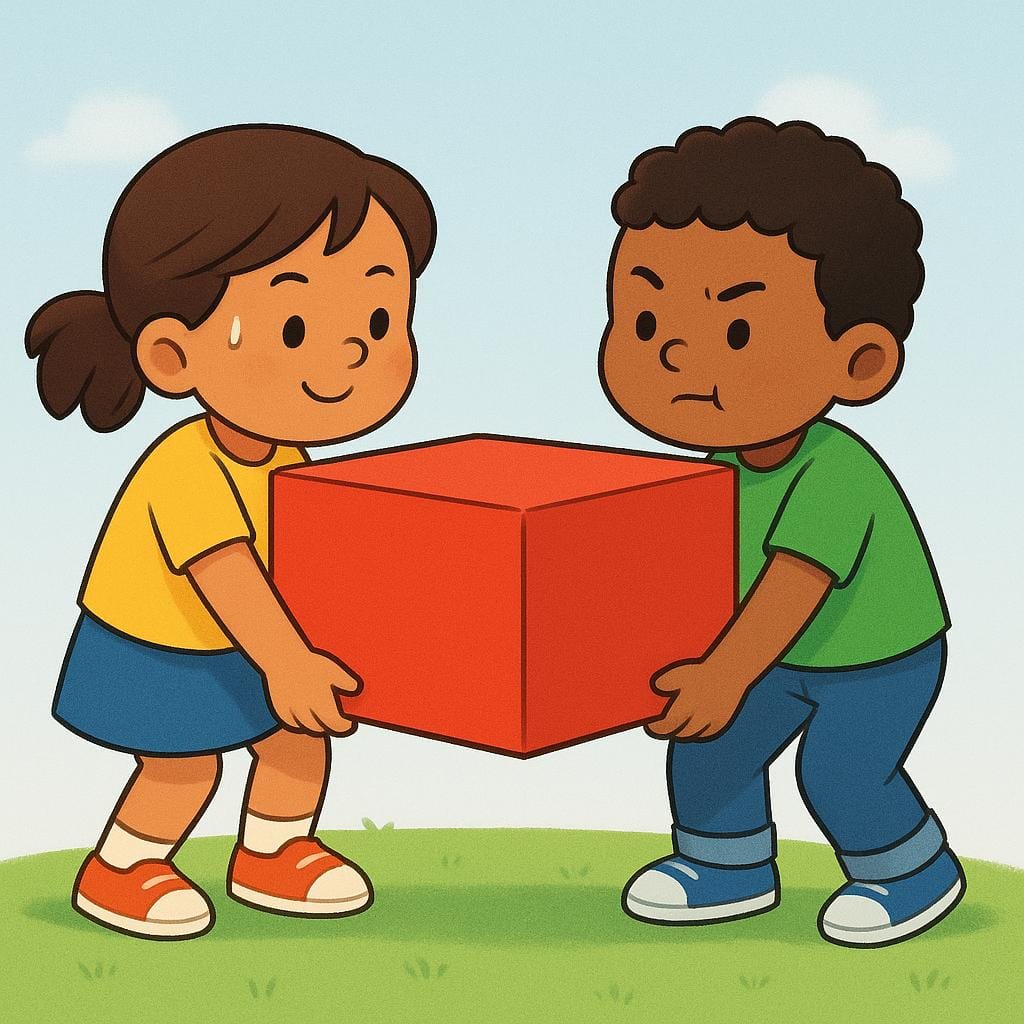
Los niños deben llevar sus loncheras a la escuela.
The children must carry their lunchboxes to school.
Espero que los niños lleven sus libros a clase mañana.
I hope the children carry their books to class tomorrow.
Señores, lleven sus pasaportes siempre con ustedes.
Sirs/Madams, please carry your passports with you always. (Formal command)
Subjunctive Use (Hope/Wish)
'Lleven' is the form used when you express a wish, hope, or doubt about what 'they' or 'you (formal plural)' do, usually after words like 'quiero que' (I want that) or 'espero que' (I hope that).
Confusing Subjunctive and Indicative
Mistake: “Espero que ellos llevan la comida. (Using 'llevan', the regular present tense)”
Correction: Espero que ellos lleven la comida. ('Lleven' is needed because 'Espero que' triggers the special verb form.)
Formal vs. General Transport
Learn Spanish with Inklingo
Interactive stories, personalized learning, and more.