How to Say "take" in Spanish
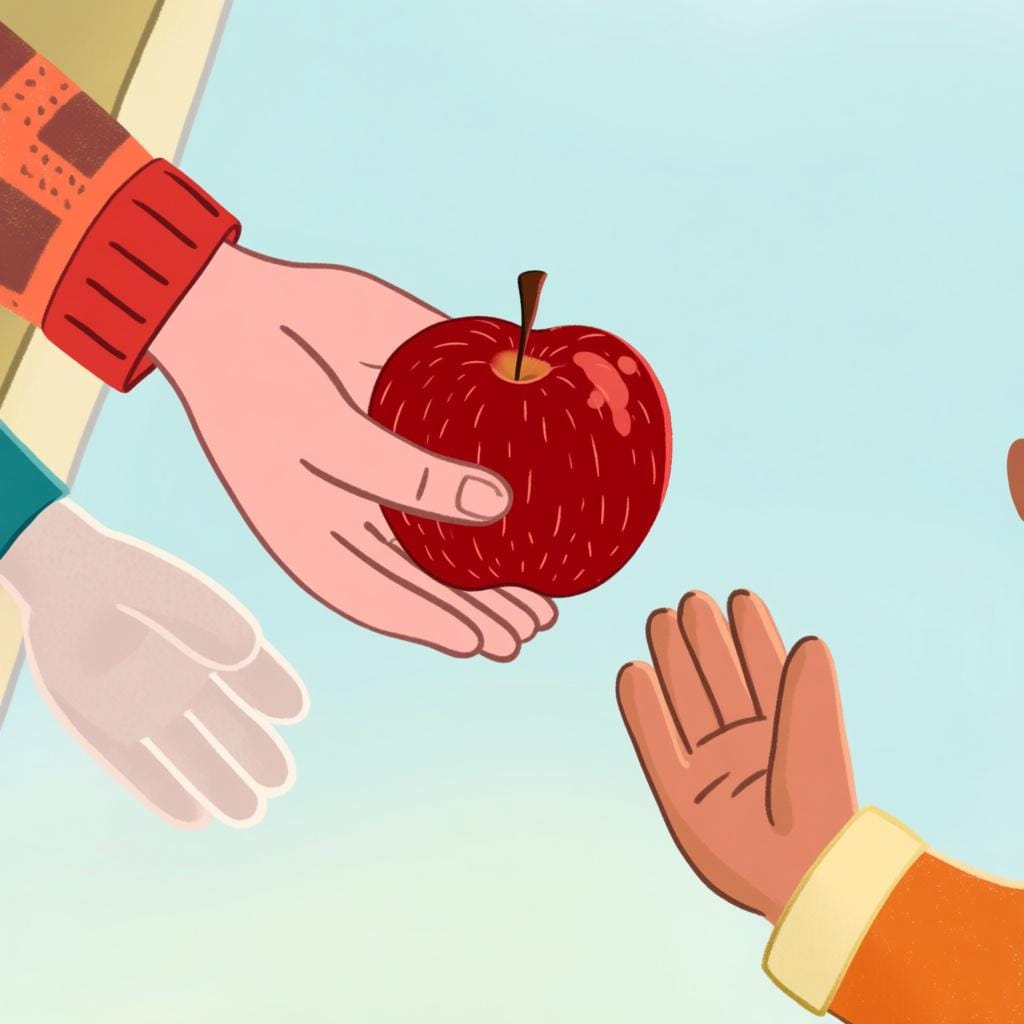
The most common Spanish word for “take” is “toma” — use 'toma' as a command when telling one person (tú) to grab or accept something.
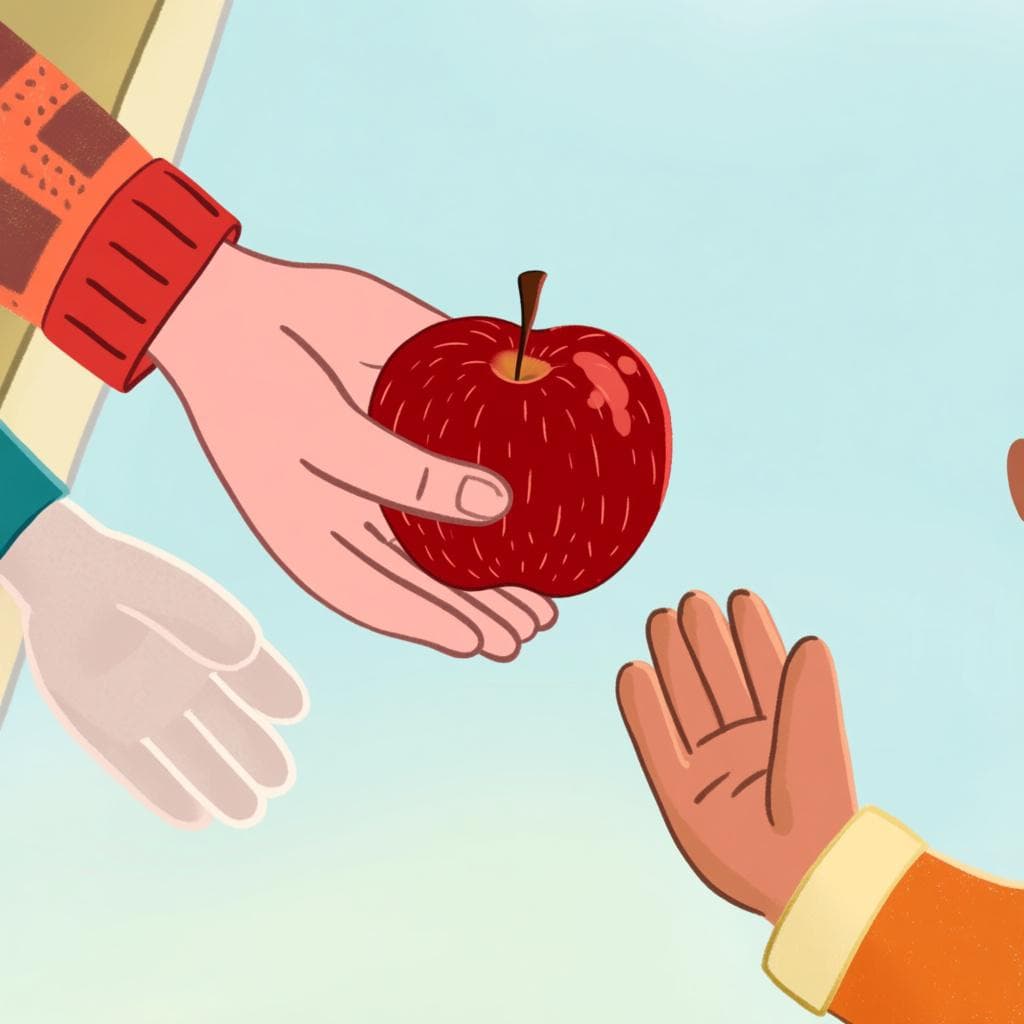



toma
TOH-mahˈto.ma
Examples
Toma, aquí tienes tu chaqueta.
Here, take your jacket.
Si tienes sed, toma un vaso de agua.
If you're thirsty, have a glass of water.
Toma nota de la dirección.
Take note of the address.
Giving Commands
This is the command form of 'tomar' used for the informal 'you' (tú). It's how you tell a friend to do something, like 'Toma esto' (Take this).
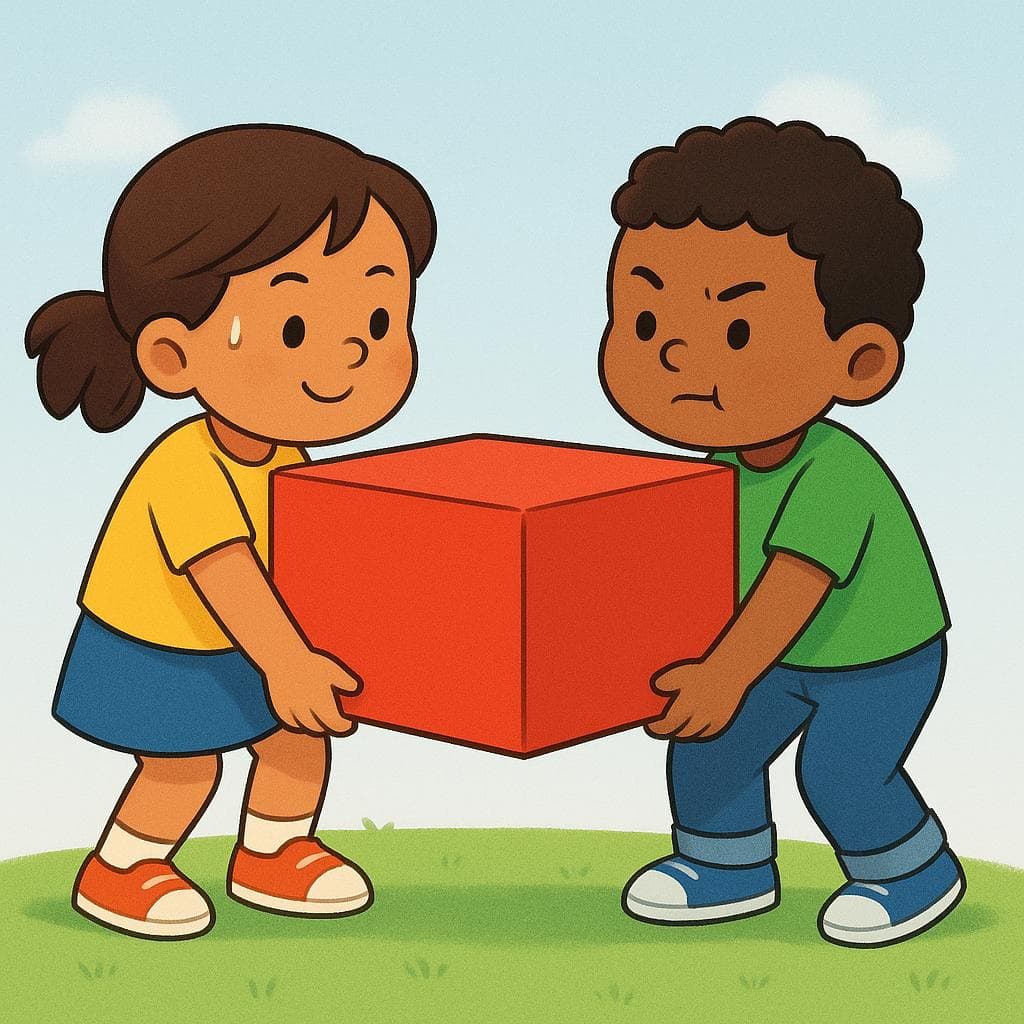
tomen
TOH-menˈtomen

Examples
¡Tomen un asiento y esperen al doctor!
Take a seat and wait for the doctor!
Espero que los niños tomen la decisión correcta.
I hope the children make (take) the correct decision.
El jefe necesita que ustedes tomen más responsabilidades.
The boss needs you (plural, formal) to take more responsibilities.
¡Tomen esta medicina tres veces al día!
Take this medicine three times a day!
Formal Plural Command
This form is the polite way to give a command to a group of people ('ustedes'). Think of it as saying, 'You all, please take...'
The 'Wish' Form (Subjunctive)
When used after verbs of desire or doubt (like 'esperar que' or 'querer que'), 'tomen' expresses what you want or need them to do: 'Quiero que ellos tomen el libro.'
Tomar vs. Beber
While 'beber' means 'to drink,' 'tomar' is often used interchangeably, especially for having a drink (coffee, soda) or for taking medicine.
Transportation Choice
In Spanish, you 'take' transportation (tomar el bus) rather than 'ride' it, similar to English, making this usage easy to remember.
Mixing Command Forms
Mistake: “Using 'toman' (the normal present tense) for a command to 'ustedes'.”
Correction: The command form for 'ustedes' always changes the 'a' to 'e': use '¡Tomen!'
ten
tenˈten

Examples
Ten, se te cayó la cartera.
Here, you dropped your wallet.
Ten cuidado al cruzar la calle.
Be careful when crossing the street.
Ten paciencia, por favor. Ya casi termino.
Have patience, please. I'm almost done.
An Informal Command
'Ten' is a command you give to one person you know well, like a friend or family member (the 'tú' form). It's the 'bossy' form of the verb 'tener' (to have).
Where does 'ten' come from?
This is a special, short command form of the verb 'tener'. If you look at the verb chart, you'll see it under Imperative Affirmative for 'tú'. Notice how irregular it is!
Using 'ten' formally
Mistake: “Speaking to a stranger or your boss and saying, 'Ten, su bolígrafo.'”
Correction: For someone you'd call 'usted', you should use 'tenga'. For example, 'Tenga, su bolígrafo.' It shows more respect.
Negative Commands
Mistake: “Telling a friend 'No ten miedo' to mean 'Don't be afraid'.”
Correction: The negative command is different. You need to say 'No tengas miedo'. 'Ten' is only for positive (affirmative) commands.
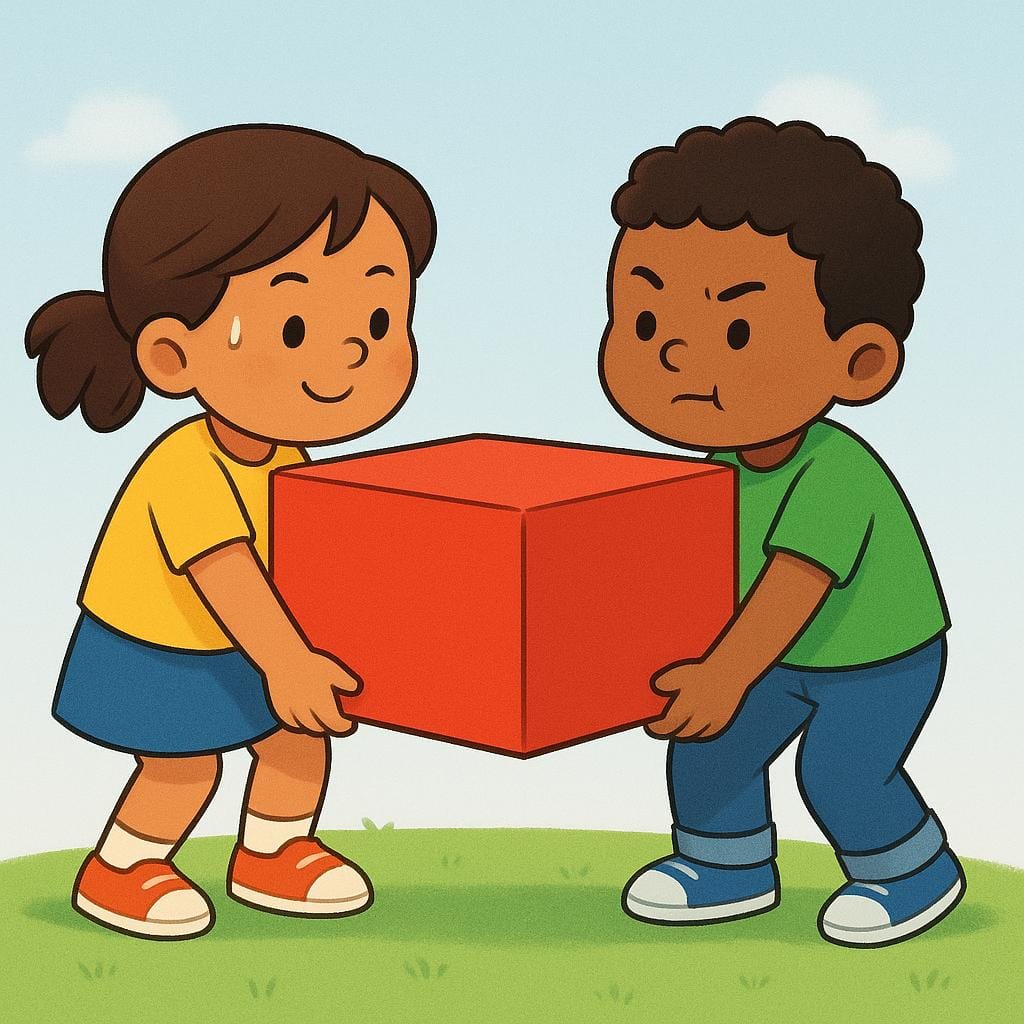
lleven
YEH-vehnˈʎe.βen
Examples
Sugiero que lleven a la abuela al médico mañana.
I suggest that they take Grandma to the doctor tomorrow.
Espero que los niños lleven sus libros a clase mañana.
I hope the children carry their books to class tomorrow.
Señores, lleven sus pasaportes siempre con ustedes.
Sirs/Madams, please carry your passports with you always. (Formal command)
Lleven estos turistas al centro de la ciudad.
Take these tourists to the city center. (Formal plural command)
Subjunctive Use (Hope/Wish)
'Lleven' is the form used when you express a wish, hope, or doubt about what 'they' or 'you (formal plural)' do, usually after words like 'quiero que' (I want that) or 'espero que' (I hope that).
The Subjunctive and Influence
When a sentence starts with a verb of influence (like 'sugiero que' or 'pido que'), the action performed by the other people ('they' or 'you plural') must use the special verb form, 'lleven'.
Confusing Subjunctive and Indicative
Mistake: “Espero que ellos llevan la comida. (Using 'llevan', the regular present tense)”
Correction: Espero que ellos lleven la comida. ('Lleven' is needed because 'Espero que' triggers the special verb form.)
tomen
TOH-menˈtomen
Examples
Recomiendo que tomen el metro en lugar del taxi.
I recommend that they take the subway instead of the taxi.
¡Tomen un asiento y esperen al doctor!
Take a seat and wait for the doctor!
Espero que los niños tomen la decisión correcta.
I hope the children make (take) the correct decision.
El jefe necesita que ustedes tomen más responsabilidades.
The boss needs you (plural, formal) to take more responsibilities.
Formal Plural Command
This form is the polite way to give a command to a group of people ('ustedes'). Think of it as saying, 'You all, please take...'
The 'Wish' Form (Subjunctive)
When used after verbs of desire or doubt (like 'esperar que' or 'querer que'), 'tomen' expresses what you want or need them to do: 'Quiero que ellos tomen el libro.'
Tomar vs. Beber
While 'beber' means 'to drink,' 'tomar' is often used interchangeably, especially for having a drink (coffee, soda) or for taking medicine.
Transportation Choice
In Spanish, you 'take' transportation (tomar el bus) rather than 'ride' it, similar to English, making this usage easy to remember.
Mixing Command Forms
Mistake: “Using 'toman' (the normal present tense) for a command to 'ustedes'.”
Correction: The command form for 'ustedes' always changes the 'a' to 'e': use '¡Tomen!'
acepte
ah-SEP-tehaˈθep.te

Examples
Espero que el jefe acepte mi propuesta.
I hope the boss accepts my proposal.
No acepte el paquete si parece dañado, por favor.
Please, do not accept the package if it looks damaged.
Quizás usted acepte un café mientras espera.
Perhaps you would accept a coffee while you wait.
Formal Commands
This form ('acepte') is used when giving a polite, formal command to 'usted' (you formal): 'Acepte el regalo' (Accept the gift).
Expressing Wishes and Doubts
When you express a wish, doubt, or emotion about someone else's action, the verb changes to 'acepte': 'Ojalá que él acepte' (Hopefully he accepts).
Mixing Command Forms
Mistake: “Using 'acepta' when speaking formally to a stranger.”
Correction: Use 'Acepte esto, señor' (Formal) instead of 'Acepta esto, señor' (Informal command, which is too familiar).
interpretación
Examples
Tu interpretación de los hechos es muy diferente a la mía.
Your interpretation of the facts is very different from mine.
Commands vs. General Actions
Learn Spanish with Inklingo
Interactive stories, personalized learning, and more.