How to Say "burned" in Spanish
The most common Spanish word for “burned” is “quemado” — use 'quemado' as the past participle after the auxiliary verb 'haber' to form perfect tenses, indicating something has been burned.
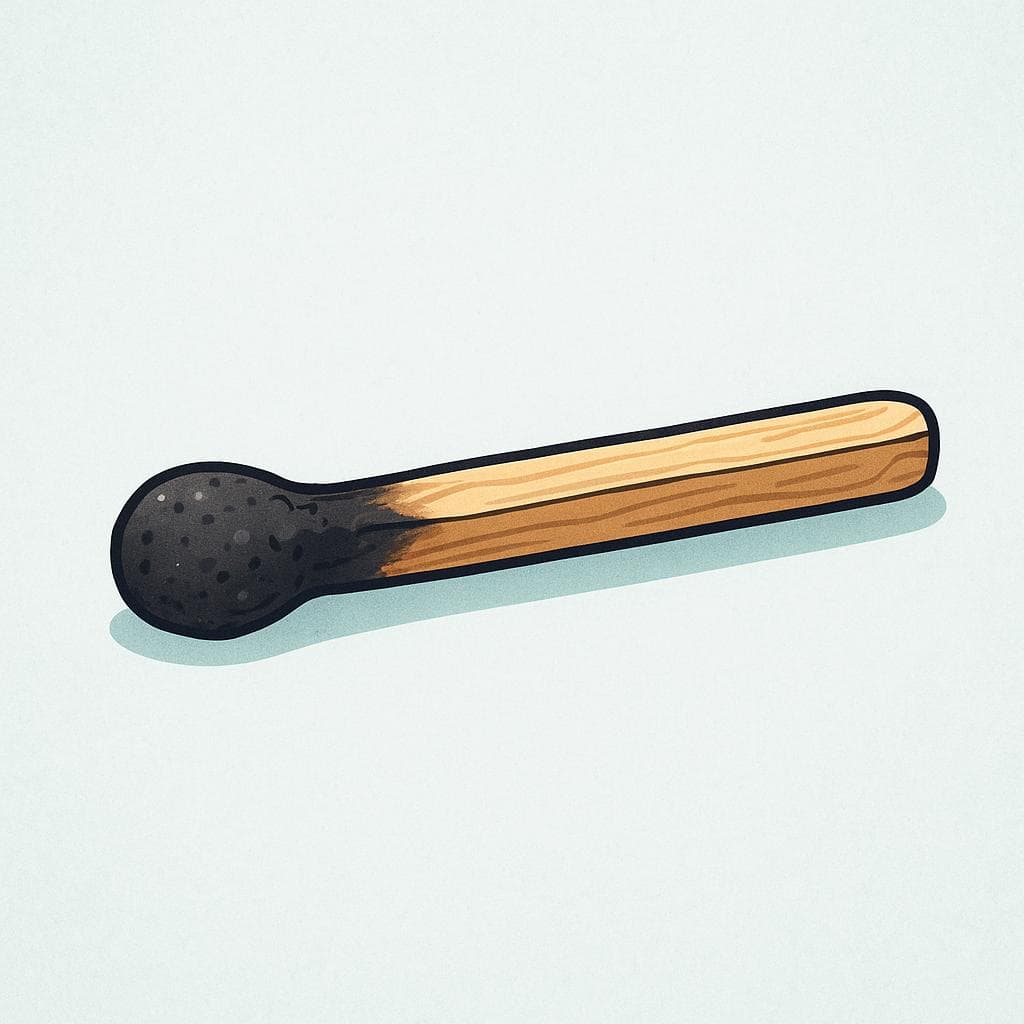
quemado
keh-MAH-dohkeˈmaðo
Examples
Hemos quemado toda la basura vieja.
We have burned all the old trash.
Ella ya había quemado esa etapa de su vida.
She had already burned that stage of her life (figurative: finished it).
Perfect Tenses
This form is used with the verb 'haber' (to have done something) to create compound tenses, like the present perfect ('he quemado', I have burned).
Using 'Tener' instead of 'Haber'
Mistake: “Tengo quemado el pan.”
Correction: He quemado el pan. 'Tener' means 'to possess,' while 'haber' is the auxiliary verb needed to form perfect tenses.
quemó
Examples
El incendio quemó la casa entera.
The fire burned the whole house.
Participle vs. Verb Tense
Related Translations
Learn Spanish with Inklingo
Interactive stories, personalized learning, and more.