How to Say "burnt out" in Spanish
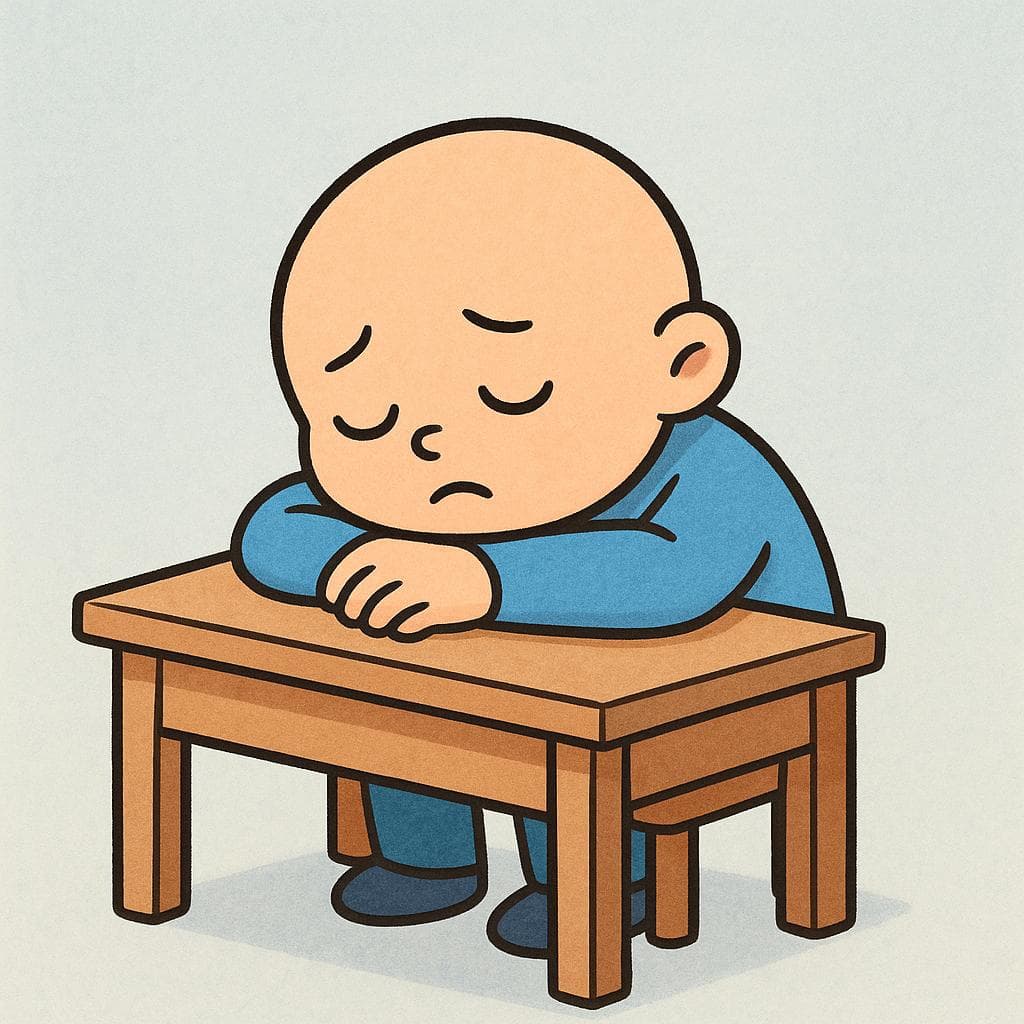
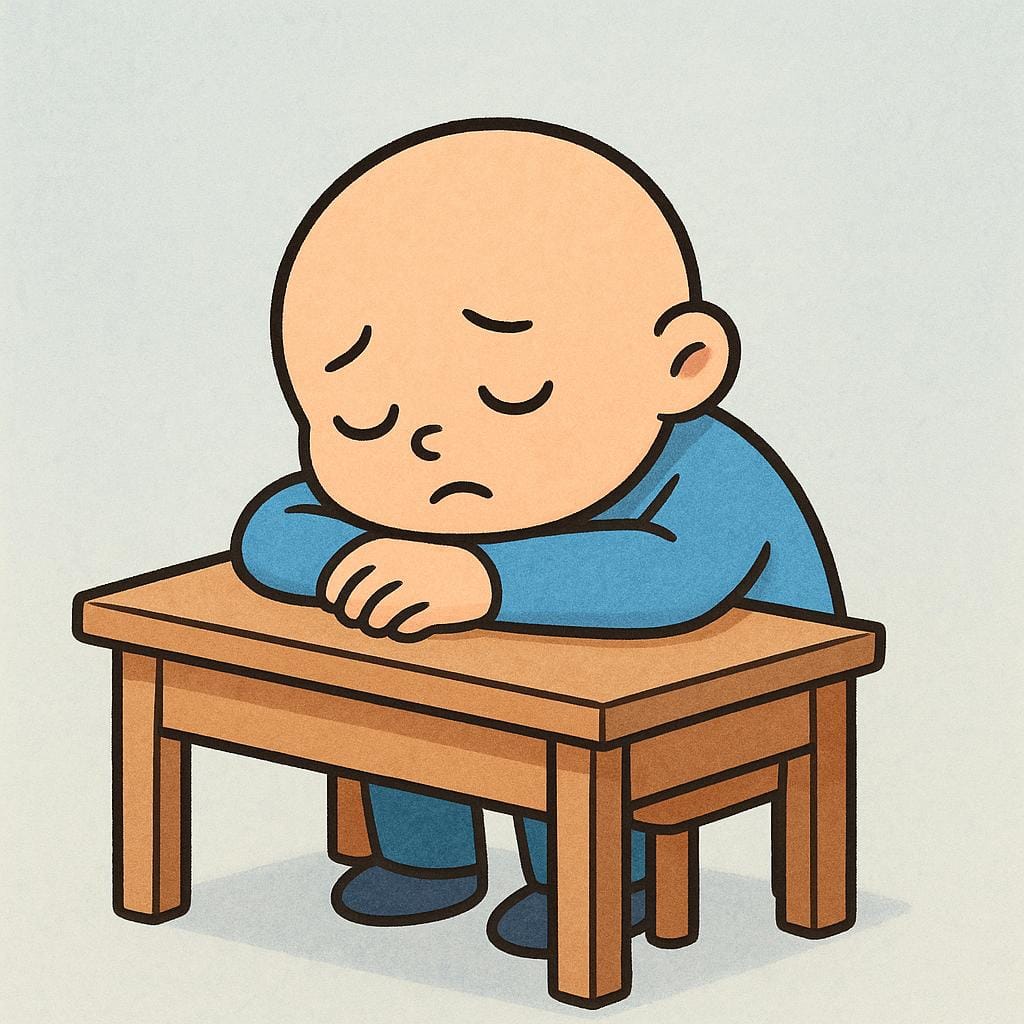
The most common Spanish word for “burnt out” is “quemado” — use this when referring to mental or emotional exhaustion caused by prolonged stress, overwork, or difficult experiences.

quemado
keh-MAH-dohkeˈmaðo
Examples
Después de la pandemia, muchos trabajadores se sintieron quemados.
After the pandemic, many workers felt burnt out.
Después de tres meses sin descanso, estoy completamente quemado.
After three months without rest, I am completely burnt out.
Ella está quemada de estudiar la misma materia.
She is fed up with studying the same subject.
Using 'Estar'
This emotional state almost always uses the verb 'estar' (to be temporarily) because it describes a current feeling or condition, not a permanent characteristic.
Mixing up 'Ser' and 'Estar'
Mistake: “Soy quemado.”
Correction: Estoy quemado. Using 'ser' would imply being a 'burnt person' permanently, which doesn't convey the temporary feeling of exhaustion.
fundido
foon-DEE-dohfunˈdiðo

Examples
La bombilla se ha fundido otra vez.
The lightbulb has burnt out again.
Me encanta el pan con queso fundido.
I love bread with melted cheese.
Tengo que cambiar la bombilla porque está fundida.
I have to change the lightbulb because it is burnt out.
La estatua está hecha de hierro fundido.
The statue is made of cast iron.
Matching the Noun
Since this acts as a description word, it must match what it describes. Use 'fundido' for masculine items (el queso) and 'fundida' for feminine items (la bombilla).
The 'Result' Word
This word is a 'past participle' (the -ed form of a verb). We use it with the word 'está' (is) to describe the state of something after an action has happened.
Melted vs. Burnt out
Mistake: “Using 'quemado' for a lightbulb.”
Correction: Say 'La bombilla está fundida'. In Spanish, we use 'fundido' for electrical failures involving a broken connection, whereas 'quemado' usually implies fire or charring.
tostado
tos-TAH-dohtosˈtaðo

Examples
Creo que el calor lo ha dejado un poco tostado.
I think the heat has left him a bit burnt out/crazy.
Ese tío está un poco tostado, dice cosas sin sentido.
That guy is a bit crazy; he says things that don't make sense.
Después de estudiar diez horas, tengo el cerebro tostado.
After studying for ten hours, my brain is fried/burnt out.
Mira sus ojos, parece que va un poco tostado.
Look at his eyes; he looks a bit stoned.
Confusing Mental Burnout with Electrical Failure
Learn Spanish with Inklingo
Interactive stories, personalized learning, and more.