How to Say "bush" in Spanish
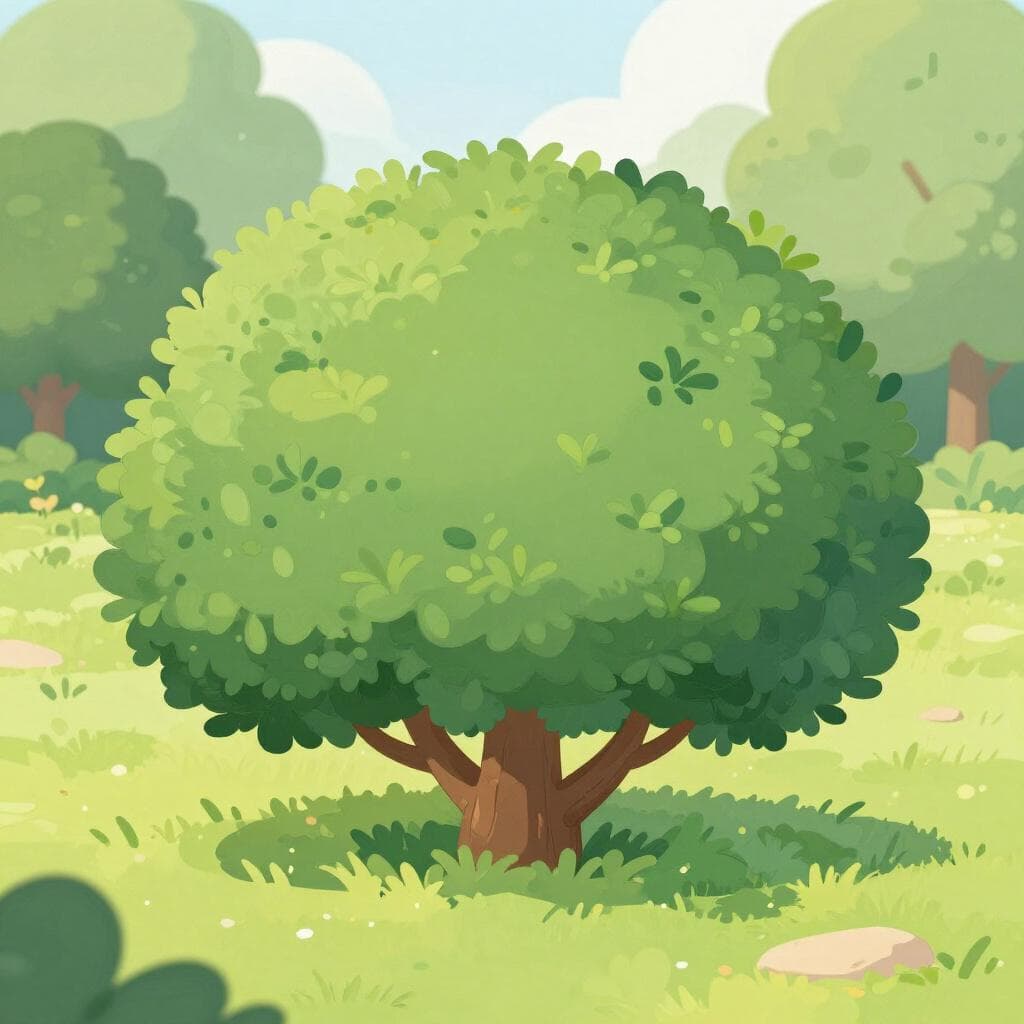
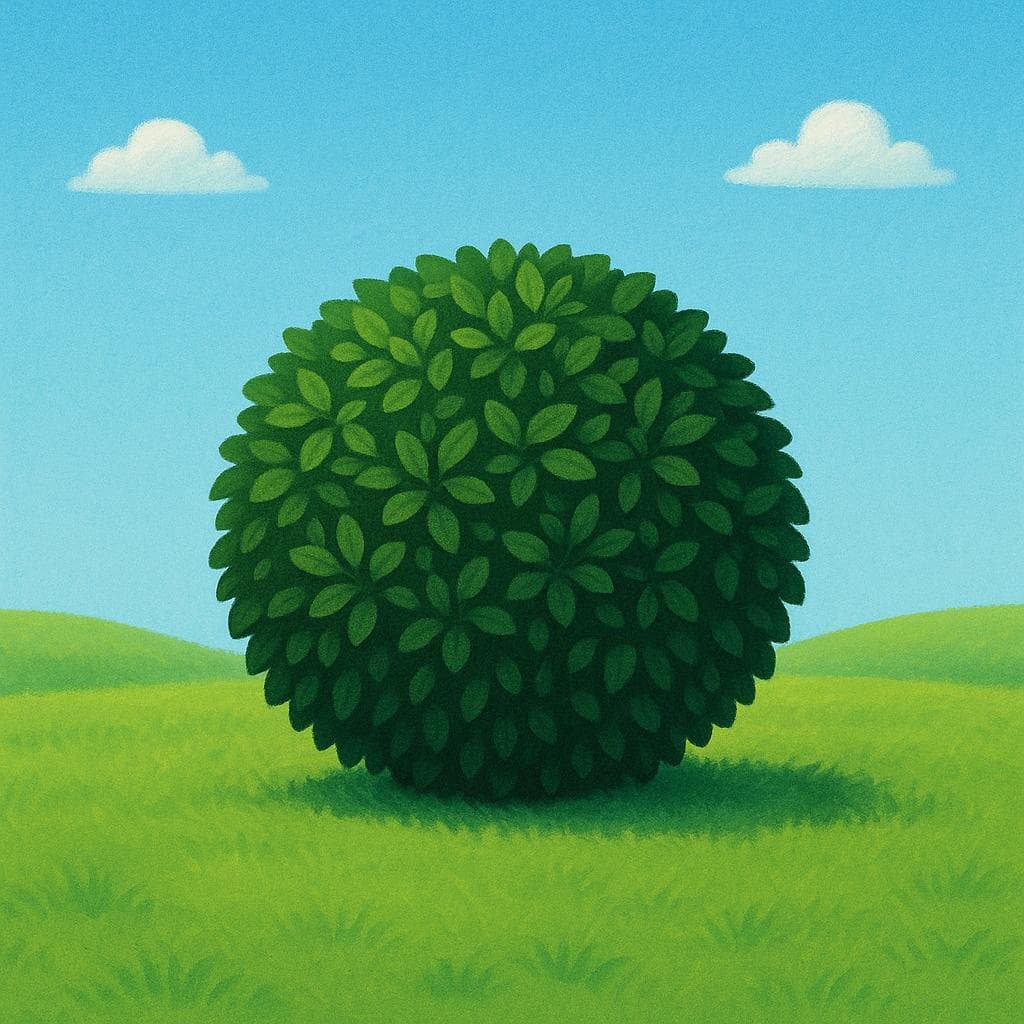
The most common Spanish word for “bush” is “arbusto” — use 'arbusto' when referring to a general, medium-sized woody plant, often with multiple stems, like a shrub in a garden or landscape.
arbusto
ar-BOOS-tohaɾˈβusto
Examples
El jardín tiene un arbusto de rosas que huele muy bien.
The garden has a rose bush that smells very nice.
Hay un arbusto con flores rojas frente a la casa.
There is a shrub with red flowers in front of the house.
Necesitamos podar los arbustos del jardín este fin de semana.
We need to trim the bushes in the garden this weekend.
El conejo se escondió rápidamente detrás de un arbusto espeso.
The rabbit quickly hid behind a thick bush.
It's a 'boy' word
Even though it ends in 'o', it's helpful to remember it is masculine. Always use 'el' or 'un' with it.
Making it plural
Since it ends in a vowel, you just add an 's' to talk about more than one: 'los arbustos'.
Confusing with 'arboleda'
Mistake: “Me gusta esta arbusto.”
Correction: Me gusta este arbusto. Remember that adjectives like 'este' must match the masculine gender of the word.
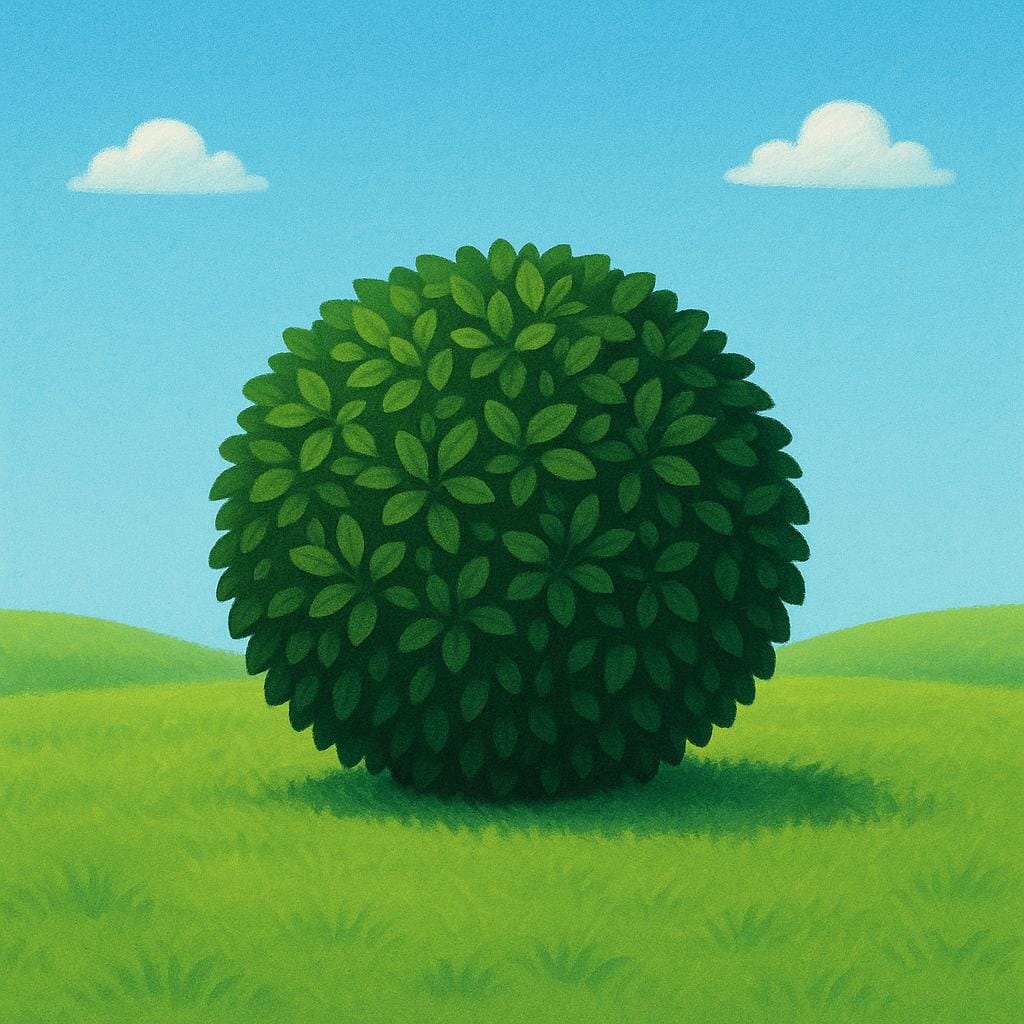
mato
MAH-tohˈma.to
Examples
El conejo se ocultó rápidamente tras un mato espeso.
The rabbit quickly hid behind a thick bush.
El perro se escondió entre el mato para evitar la lluvia.
The dog hid among the bush to avoid the rain.
Hay que podar ese mato, está tapando la ventana.
We have to prune that shrub; it's covering the window.
Gender Check
Even though it ends in 'o,' remember 'mato' is always masculine, so use 'el mato' or 'un mato'.
Using the wrong word for a tree
Mistake: “Calling a large tree 'un mato'.”
Correction: 'Mato' refers to a small, low plant. Use 'árbol' for a large tree.
monte
món-teˈmonte
Examples
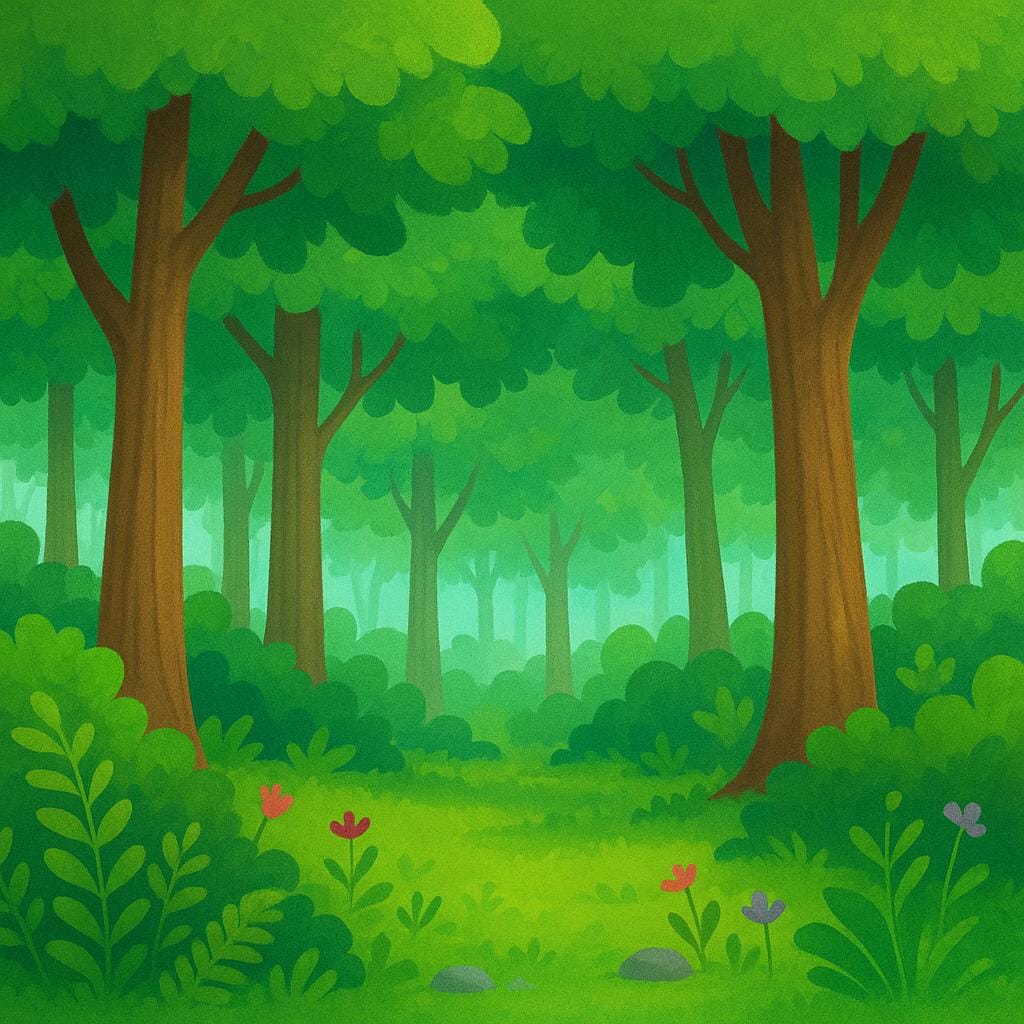
Los excursionistas se adentraron en el monte para encontrar el sendero.
The hikers went deep into the woods to find the trail.
Nos perdimos un poco al entrar en el monte.
We got a little lost when we entered the woods.
Hay que tener cuidado con los incendios en el monte seco.
We must be careful with fires in the dry scrubland.
El perro se escapó y se metió en el monte.
The dog escaped and went into the brush.
Gender Reminder
Even though 'monte' ends in '-e', it is a masculine noun, so you use 'el monte' or 'un monte'.
Confusing 'Monte' and 'Bosque'
Mistake: “Using 'bosque' when referring to low, wild brush or scrubland.”
Correction: 'Monte' is often used for wilder, less managed land, whereas 'bosque' implies a taller, more established forest.
General vs. Specific Vegetation
Learn Spanish with Inklingo
Interactive stories, personalized learning, and more.