How to Say "hill" in Spanish
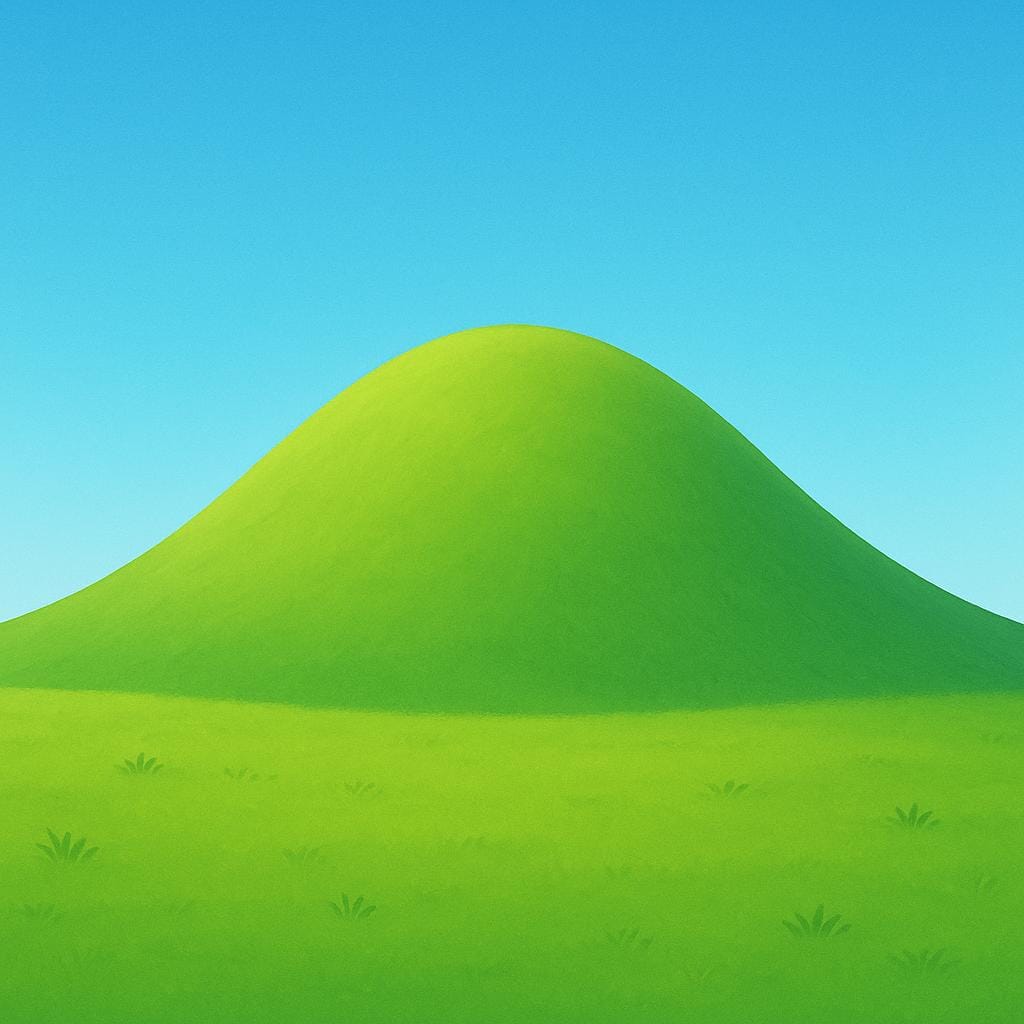
The most common Spanish word for “hill” is “colina” — use 'colina' for a general, natural, and often rounded rise in the land, especially when it's not particularly steep.
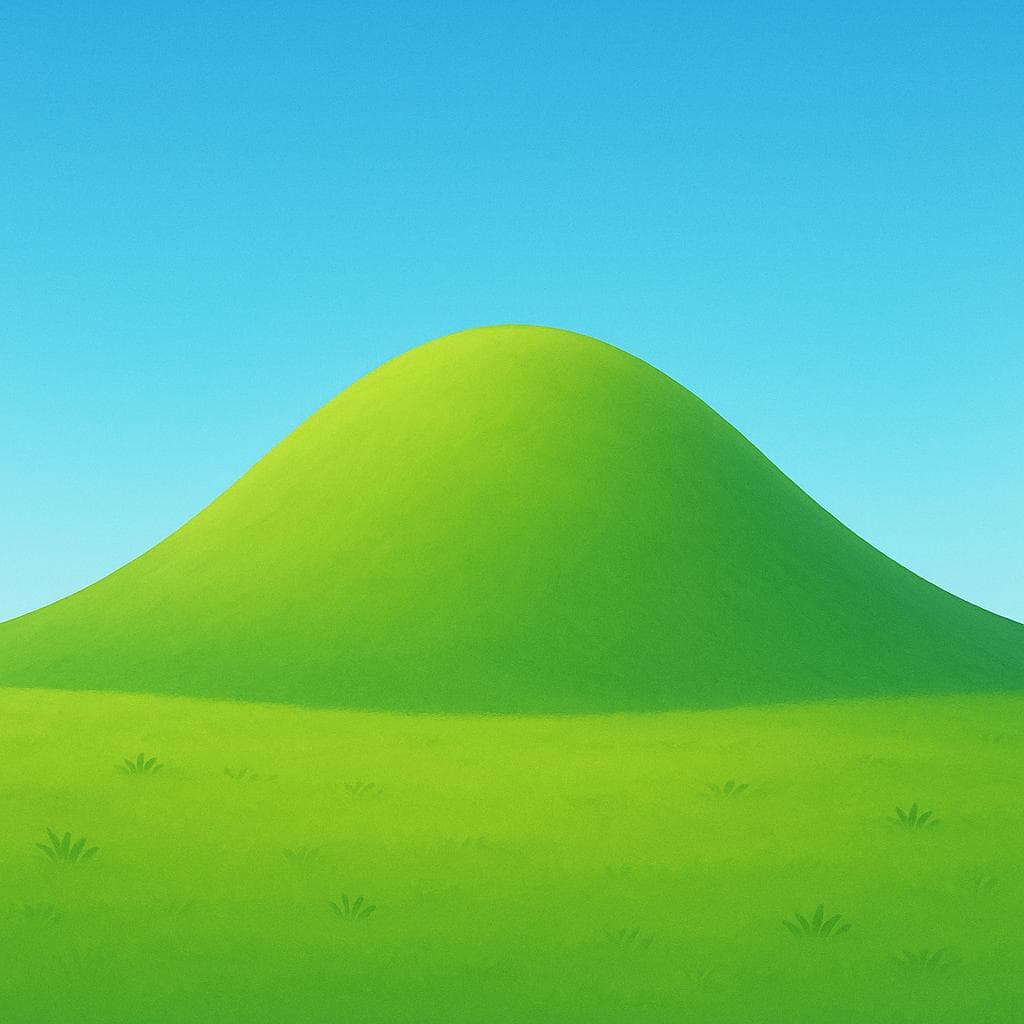
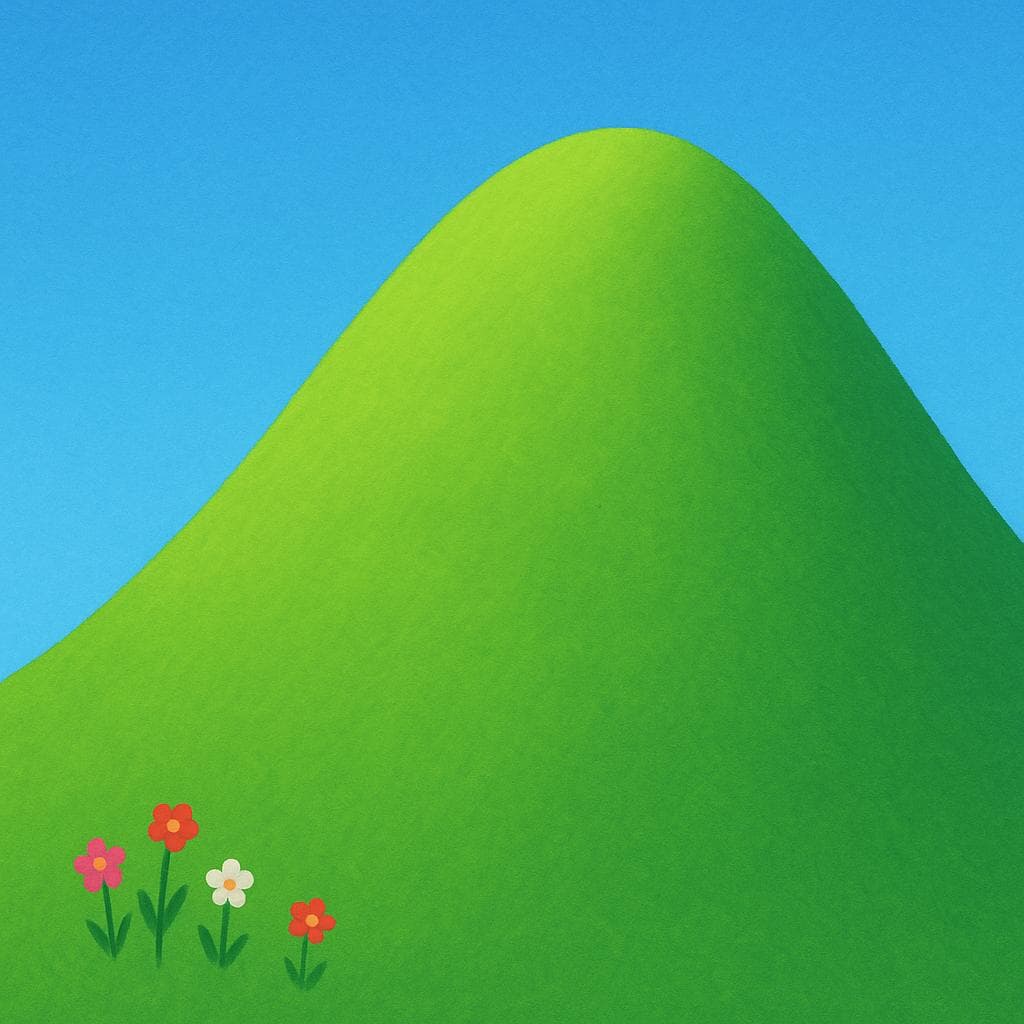

colina
co-LEE-nahkoˈlina
Examples
Nuestra casa está construida en la cima de una pequeña colina.
Our house is built on the top of a small hill.
Los niños subieron la colina corriendo para ver el atardecer.
The children ran up the hill to watch the sunset.
El terreno montañoso se suaviza en una serie de colinas ondulantes cerca del río.
The mountainous terrain softens into a series of rolling hills near the river.
Gender Rule for Nouns
Remember that 'colina' is a feminine noun, so you must use feminine articles and adjectives with it (e.g., 'la colina' or 'una colina alta').
Confusing Nouns
Mistake: “Using 'montaña' when the elevation is small.”
Correction: 'Montaña' is for a mountain (much larger and usually rocky). 'Colina' is for a gentle, smaller hill.
monte
món-teˈmonte
Examples
El Monte Fuji es un volcán muy famoso en Japón.
Mount Fuji is a very famous volcano in Japan.
Subimos a la cima del monte para ver el amanecer.
We climbed to the top of the mount/hill to see the sunrise.
Formal Names
When referring to famous geographical features, 'monte' is often used as the equivalent of 'Mount' in English, like 'Monte Everest'.
cuesta
KWEH-stahˈkwesta

Examples
Hay una cuesta muy empinada después del río.
There is a very steep slope after the river.
Mi casa está en la cima de la cuesta.
My house is at the top of the hill.
Tuvimos que empujar el coche en la cuesta.
We had to push the car up the incline.
Gender and Articles
'Cuesta' is always feminine, so you must use 'la cuesta' or 'una cuesta'. Pay attention to the definite article.
Mixing up the Noun and Verb
Mistake: “Using the noun 'cuesta' where the verb form is needed, like 'La cuesta ir al gimnasio.'”
Correction: Use the verb form 'cuesta': 'Me cuesta ir al gimnasio.' (It is difficult for me to go to the gym.)
elevación
Examples
La ciudad se encuentra a una elevación de mil metros sobre el nivel del mar.
The city is at an elevation of one thousand meters above sea level.
Colina vs. Cuesta
Learn Spanish with Inklingo
Interactive stories, personalized learning, and more.