How to Say "it costs" in Spanish
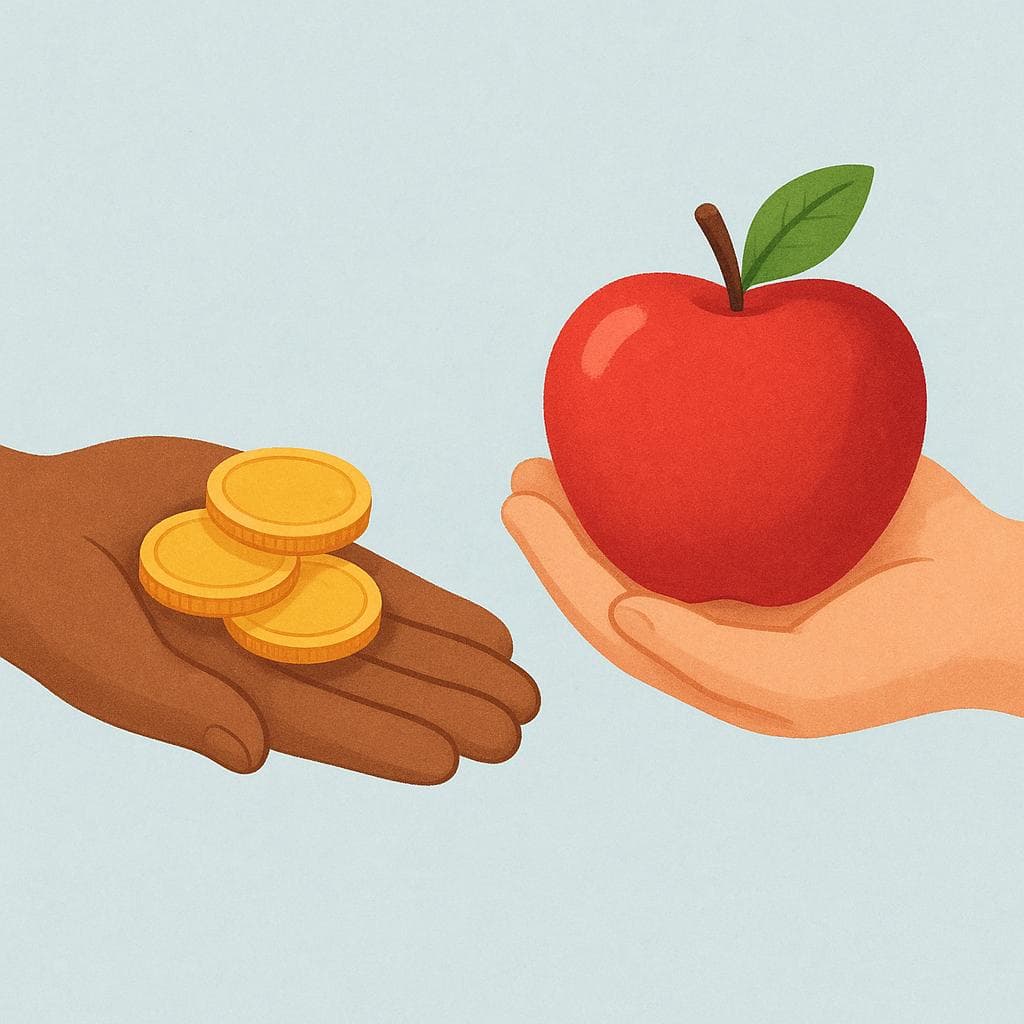
The most common Spanish word for “it costs” is “cuesta” — use 'cuesta' when directly asking or stating the price of an item or service in a general context.


cuesta
KWEH-stahˈkwesta

Examples
¿Cuánto cuesta esta camisa?
How much does this shirt cost?
Me cuesta levantarme temprano.
It is difficult for me to get up early. (Literally: It costs me to get up early.)
A él le cuesta hablar en público.
It is hard for him to speak in public.
Stem-Changing Verb
The 'o' in the root changes to 'ue' in most present tense forms, except for the 'nosotros' and 'vosotros' forms. This makes it irregular.
Using 'Cuesta' for Difficulty
When expressing difficulty, Spanish uses 'cuesta' with an indirect object pronoun (me, te, le, etc.): 'Me cuesta' means 'I find it hard' or 'It's hard for me.'
Using 'Cuesta' vs. 'Cuestan'
Mistake: “Using 'cuesta' for plural items: '¿Cuánto cuesta los zapatos?'”
Correction: The verb must match the item's number: '¿Cuánto cuestan los zapatos?' (plural item = plural verb form).
vale
BAH-lehˈbale

Examples
¿Cuánto vale este sombrero?
How much does this hat cost?
Este billete de tren ya no vale.
This train ticket is no longer valid.
Tu amistad vale más que todo el oro del mundo.
Your friendship is worth more than all the gold in the world.
'Vale' is a Form of 'Valer'
Remember that when you ask '¿Cuánto vale?', you are using the 'él/ella/usted' form of the verb 'valer' (to be worth). This verb is irregular, especially the 'yo' form which is 'valgo'.
sale
SAH-lehˈsa.le
Examples
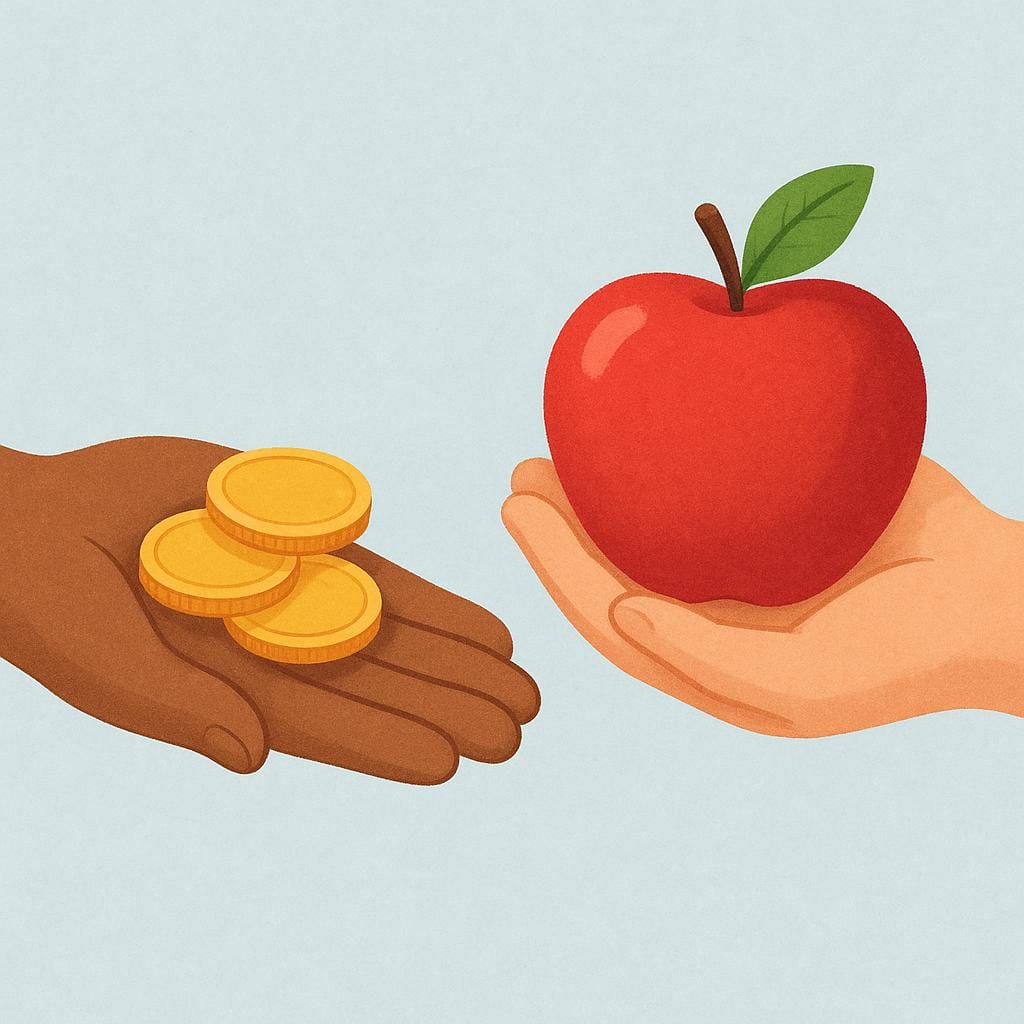
¿En cuánto sale el boleto de avión a Madrid?
How much does the plane ticket to Madrid cost?
Arreglar el coche me salió carísimo.
Fixing the car cost me a fortune.
'Costar' vs. 'Salir'
Mistake: “Using 'salir' in very formal situations to mean 'to cost'.”
Correction: While common, 'salir' for price is more informal. Use 'costar' ('¿Cuánto cuesta?') in formal writing or speech for a more neutral tone.
Confusing 'cuesta' with 'sale'
Learn Spanish with Inklingo
Interactive stories, personalized learning, and more.