How to Say "incline" in Spanish
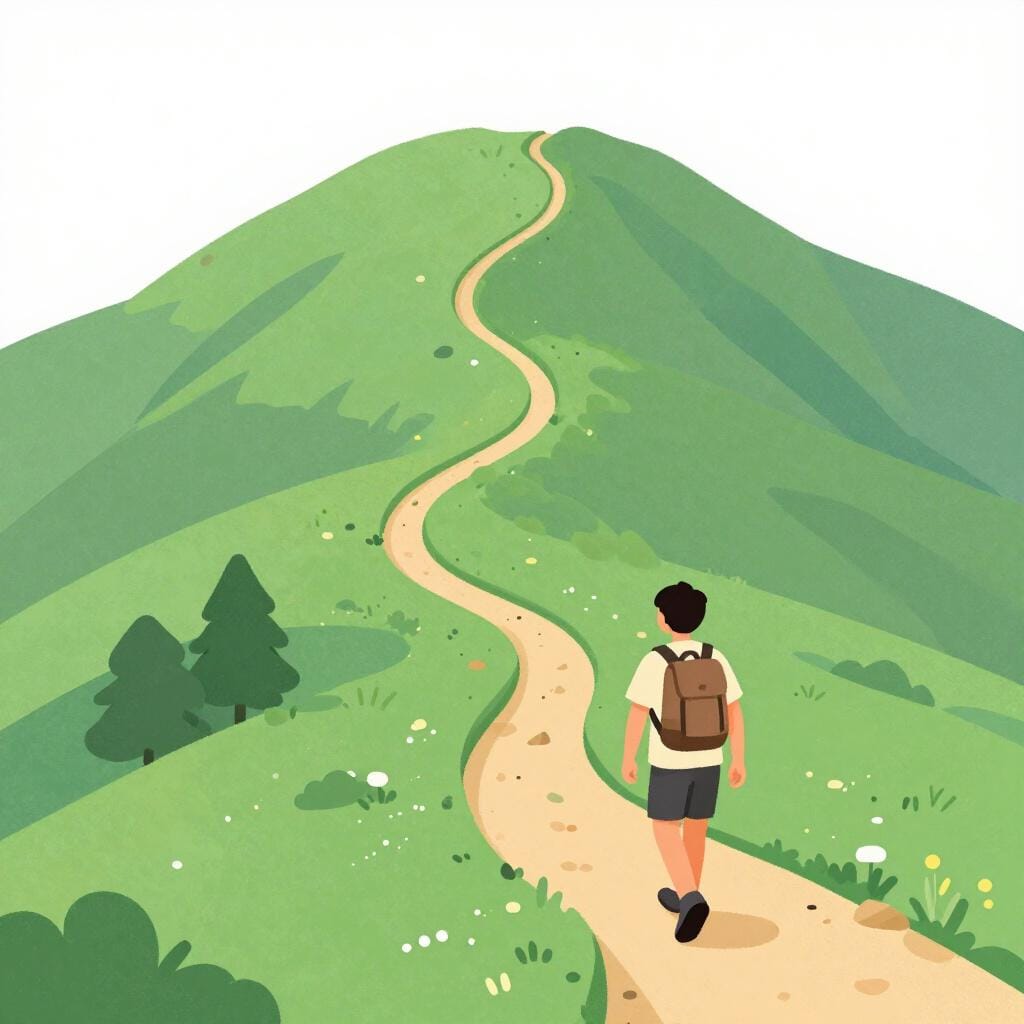
The most common Spanish word for “incline” is “subida” — use 'subida' when referring to the act of climbing or a surface that goes upwards, often implying effort or a journey.


subida
soo-BEE-dahsuˈβiða
Examples
La subida a la montaña fue muy agotadora.
The climb up the mountain was very exhausting.
Hay una subida fuerte justo después del puente.
There is a steep slope right after the bridge.
Prefiero bajar que hacer toda esa subida a pie.
I prefer going down than doing that whole climb on foot.
Nouns from Verbs
This word is a noun made from the verb 'subir' (to go up). Adding '-ida' to a verb is a common way to name the action itself.
Choosing the right word for 'Up'
Mistake: “Voy a la subida.”
Correction: Voy hacia arriba.
cuesta
KWEH-stahˈkwesta

Examples
Hay una cuesta muy empinada después del río.
There is a very steep slope after the river.
Mi casa está en la cima de la cuesta.
My house is at the top of the hill.
Tuvimos que empujar el coche en la cuesta.
We had to push the car up the incline.
Gender and Articles
'Cuesta' is always feminine, so you must use 'la cuesta' or 'una cuesta'. Pay attention to the definite article.
Mixing up the Noun and Verb
Mistake: “Using the noun 'cuesta' where the verb form is needed, like 'La cuesta ir al gimnasio.'”
Correction: Use the verb form 'cuesta': 'Me cuesta ir al gimnasio.' (It is difficult for me to go to the gym.)
Subida vs. Cuesta
Learn Spanish with Inklingo
Interactive stories, personalized learning, and more.