How to Say "hike" in Spanish
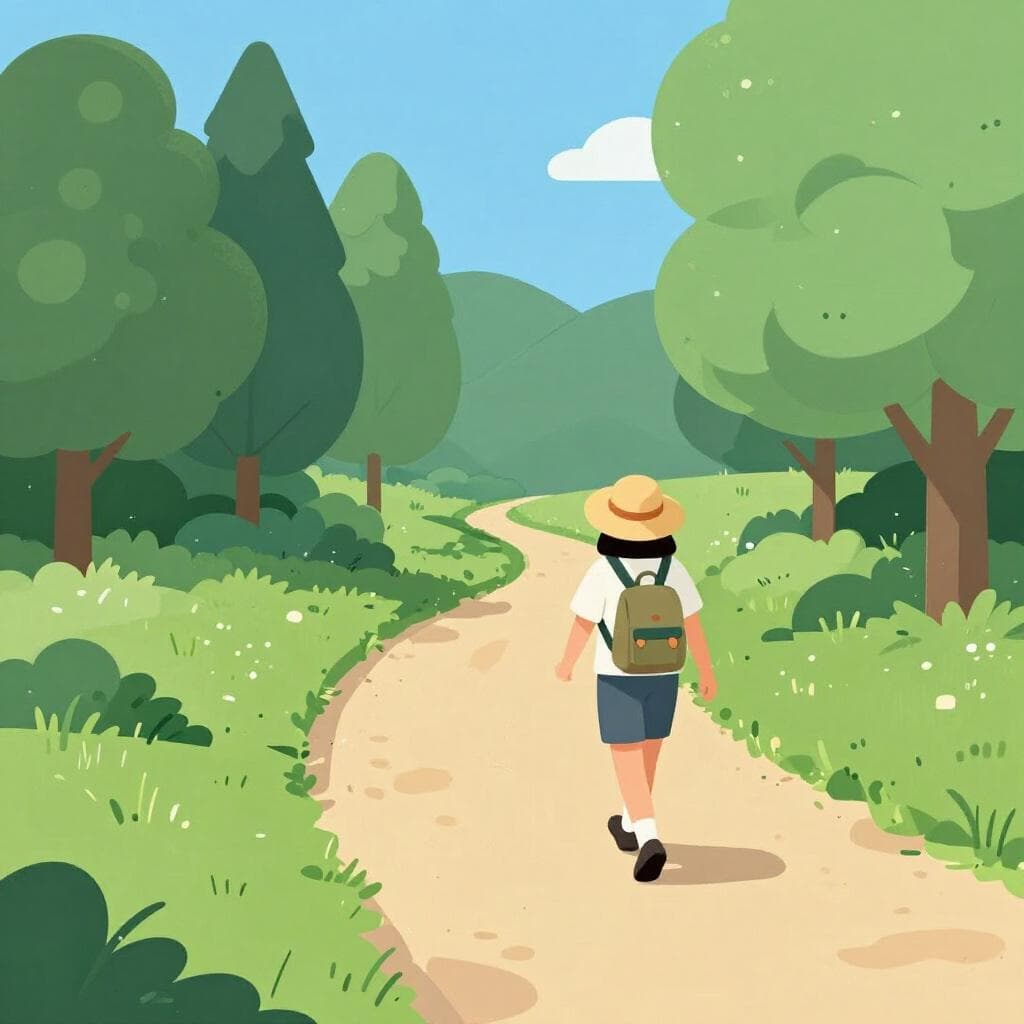
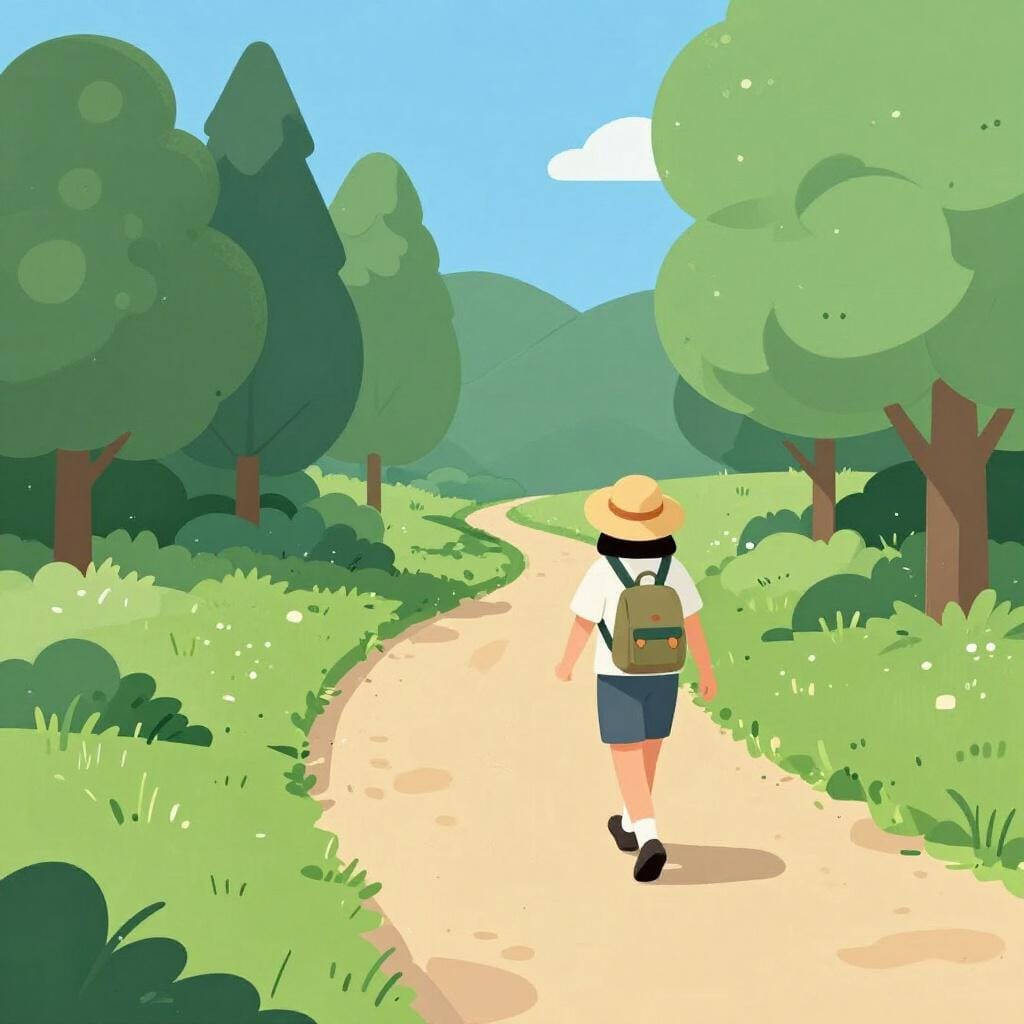
The most common Spanish word for “hike” is “caminata” — use this word for a leisurely or moderate-length walk, often for recreation or exercise, especially in an outdoor natural setting.


caminata
kah-mee-nah-tahkamiˈnata
Examples
Damos una caminata por el parque todas las mañanas.
We go for a long walk through the park every morning.
La caminata hasta la cascada fue un poco difícil pero muy bonita.
The hike to the waterfall was a bit difficult but very beautiful.
Después de una larga caminata por la ciudad, mis pies estaban cansados.
After a long trek through the city, my feet were tired.
It's a 'Girl' Word
Since it ends in -a, this word is feminine. Always use 'la' or 'una' with it.
Using Action Verbs
Instead of saying you 'have' a walk, Spanish speakers usually 'give' (dar) or 'do' (hacer) a caminata.
Don't use 'tener'
Mistake: “Tengo una caminata los domingos.”
Correction: Doy una caminata los domingos. (You 'give' a walk in Spanish, you don't 'have' it.)
Gender Error
Mistake: “El caminata fue larga.”
Correction: La caminata fue larga. (Remember that words ending in -ata are almost always feminine.)
excursión
Examples
Mañana vamos de excursión a las montañas.
Tomorrow we are going on a trip to the mountains.
aumento
a-oo-MEN-tohawˈmento
Examples
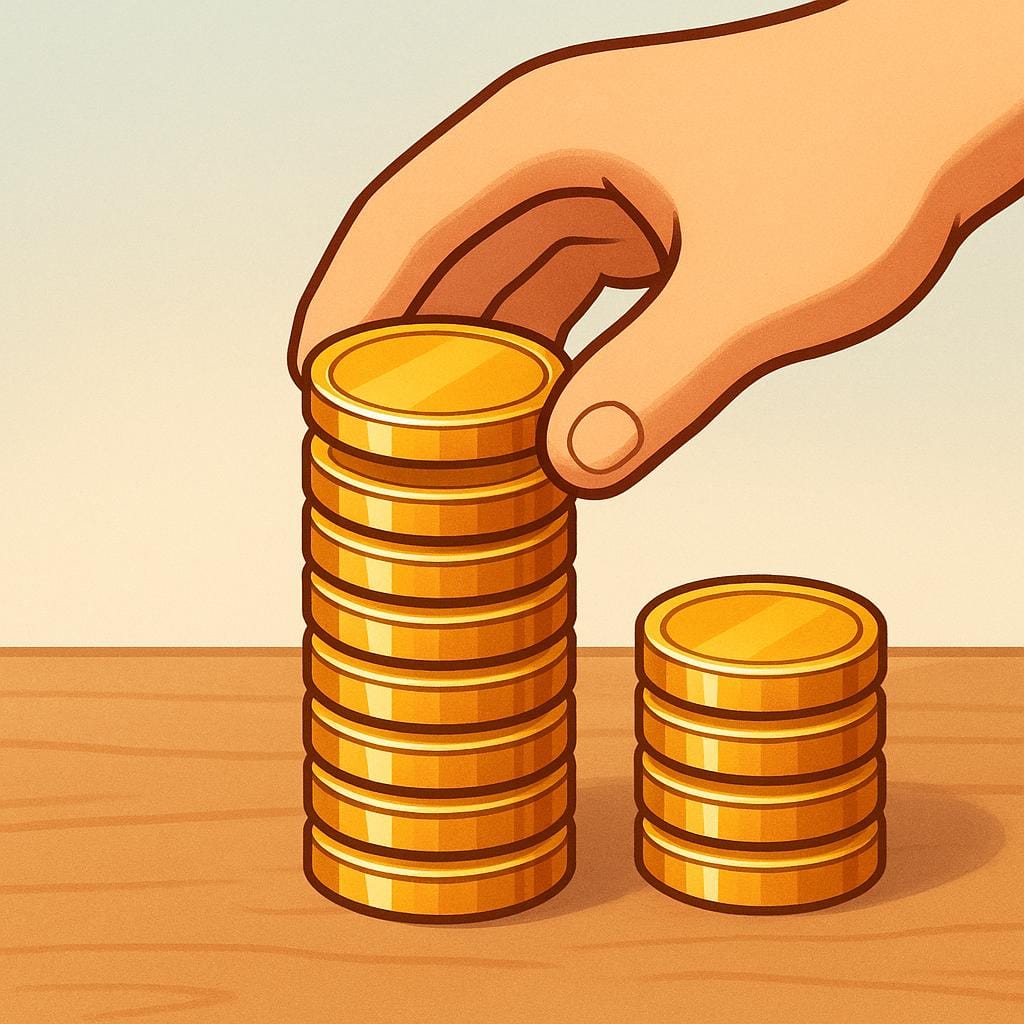
Mi jefe me prometió un aumento de sueldo para el próximo mes.
My boss promised me a pay raise next month.
Ella renunció porque no le dieron el aumento que pidió.
She quit because they didn't give her the raise she asked for.
Los empleados están pidiendo un aumento salarial justo.
The employees are asking for a fair salary increase.
The 'Pay' Context
When talking about money or wages, 'aumento' often needs 'de sueldo' or 'salarial' attached to make the meaning clear: 'un aumento salarial'.
subida
soo-BEE-dahsuˈβiða

Examples
La subida de los precios de la gasolina nos afecta a todos.
The rise in gas prices affects us all.
Esperamos una subida de las temperaturas este fin de semana.
We expect a rise in temperatures this weekend.
Ha habido una subida en la bolsa hoy.
There has been a rise in the stock market today.
Using 'de' with subida
When talking about what increased, always use 'de': 'subida de precios', 'subida de nivel'.
Gender Trap
Mistake: “El subida de precio.”
Correction: La subida de precio.
suba
SOO-bahˈsu.βa

Examples
El gobierno anunció una suba de los impuestos al consumo.
The government announced a rise in consumption taxes.
Hubo una suba inesperada en la bolsa de valores.
There was an unexpected increase in the stock market.
Gender Check
As a noun, 'suba' is feminine, so you must use 'la suba' or 'una suba.' Do not confuse it with the masculine noun 'el aumento'.
Confusing Noun and Verb
Mistake: “La suba los precios fue grande. (Using the verb form 'suba' where the noun is needed)”
Correction: La subida de los precios fue grande. OR La suba de precios fue grande. (Use the noun 'suba' or 'subida' to talk about the event.)
Confusing 'Hike' for Nature vs. Increase
Related Translations
Learn Spanish with Inklingo
Interactive stories, personalized learning, and more.