How to Say "rise" in Spanish
The most common Spanish word for “rise” is “aumento” — use this word when referring to an increase in prices, temperatures, or general quantities, especially for common situations.










aumento
a-oo-MEN-tohawˈmento

Examples
Hubo un gran aumento en la población de la ciudad este año.
There was a large increase in the city's population this year.
El aumento del nivel del mar es un problema global.
The rise in sea level is a global problem.
Necesitamos un aumento de la seguridad en la zona.
We need an increase in security in the area.
Always Masculine
Even though it ends in 'o', which is typical for masculine nouns, remember to always use the masculine article 'el' (el aumento).
Using the wrong article
Mistake: “La aumento de precios.”
Correction: El aumento de precios. (Remember to use 'el' because 'aumento' is masculine.)
subida
soo-BEE-dahsuˈβiða

Examples
La subida de los precios de la gasolina nos afecta a todos.
The rise in gas prices affects us all.
Esperamos una subida de las temperaturas este fin de semana.
We expect a rise in temperatures this weekend.
Ha habido una subida en la bolsa hoy.
There has been a rise in the stock market today.
Using 'de' with subida
When talking about what increased, always use 'de': 'subida de precios', 'subida de nivel'.
Gender Trap
Mistake: “El subida de precio.”
Correction: La subida de precio.
sube
soo-behˈsu.βe

Examples
Ella sube las escaleras corriendo.
She goes up the stairs running.
¡Sube al coche rápido! Ya es tarde.
Get in the car quickly! It's already late.
¿El ascensor sube o baja?
Is the elevator going up or down?
Dual Role of 'Sube'
'Sube' can mean either 'He/She/It/You (formal) goes up' (telling you what is happening) OR 'Go up!' (a direct command to 'tú').
Getting into Vehicles
Use 'subir a' when talking about getting into or on a vehicle (subir al coche, subir al tren).
Confusing Commands
Mistake: “Using 'suba' for the informal command to 'tú'.”
Correction: Use '¡Sube!' for 'tú' commands. '¡Suba!' is the formal command for 'usted'.
alza
AHL-sahˈalθa

Examples
El alza de los precios de la gasolina preocupa a los conductores.
The rise in gas prices worries drivers.
Las acciones de la empresa están en alza esta semana.
The company's stocks are on the rise this week.
El zapatero le puso un alza en el zapato derecho para corregir su postura.
The shoemaker put a lift in his right shoe to correct his posture.
The 'El' vs 'La' Mystery
Even though 'alza' is a feminine word, we say 'el alza' instead of 'la alza'. This happens because the word starts with a stressed 'A' sound. Using 'el' prevents the two 'A' sounds from crashing together. However, if you make it plural, it goes back to normal: 'las alzas'.
Adjectives Still Stay Feminine
Even though we use 'el' before the word, any describing words (adjectives) must still be feminine. You would say 'el alza repentina' (the sudden rise), not 'el alza repentino'.
Using 'La' in Singular
Mistake: “La alza de precios es inevitable.”
Correction: El alza de precios es inevitable. Use 'el' for singular feminine words starting with a stressed 'A'.
incremento
een-creh-MEN-tohiŋkɾeˈmento

Examples
Hubo un incremento en las ventas este mes.
There was an increase in sales this month.
El incremento del tráfico es un problema en la ciudad.
The increase in traffic is a problem in the city.
Los científicos observaron un incremento notable en la temperatura del agua.
Scientists observed a notable rise in the water temperature.
Linking with 'de'
To explain what is growing or increasing, always use the word 'de' (of) right after 'incremento'. For example: 'incremento de energía' (increase of energy).
Masculine Gender
Even though it describes growth (which feels like an action), it is a masculine naming word. Always use 'el' or 'un' with it: 'el incremento'.
Confusing Nouns and Verbs
Mistake: “Yo incremento las ventas.”
Correction: Yo incremento las ventas (using the verb 'incrementar') OR 'Hay un incremento en las ventas'.
ascenso
ahs-SEN-soaˈsenso

Examples
El ascenso a la montaña más alta fue un desafío agotador.
The ascent of the highest mountain was an exhausting challenge.
El equipo de fútbol celebró su ascenso a la primera división.
The soccer team celebrated their promotion (move up) to the first division.
La aeronave inició el ascenso después del despegue.
The aircraft began its ascent after takeoff.
cuesta
KWEH-stahˈkwesta

Examples
Hay una cuesta muy empinada después del río.
There is a very steep slope after the river.
Mi casa está en la cima de la cuesta.
My house is at the top of the hill.
Tuvimos que empujar el coche en la cuesta.
We had to push the car up the incline.
Gender and Articles
'Cuesta' is always feminine, so you must use 'la cuesta' or 'una cuesta'. Pay attention to the definite article.
Mixing up the Noun and Verb
Mistake: “Using the noun 'cuesta' where the verb form is needed, like 'La cuesta ir al gimnasio.'”
Correction: Use the verb form 'cuesta': 'Me cuesta ir al gimnasio.' (It is difficult for me to go to the gym.)
elevación
Examples
La elevación de la temperatura global es preocupante.
The rise in global temperature is worrying.
crecimiento
kreh-see-mee-EN-tohkɾe.siˈmjen.to

Examples
El gobierno celebra el crecimiento económico del último trimestre.
The government is celebrating the economic growth of the last quarter.
Leer mucho me ha ayudado con mi crecimiento personal.
Reading a lot has helped me with my personal growth.
El crecimiento de usuarios de la aplicación fue exponencial.
The growth in the application's users was exponential.
Abstract Noun Usage
Like many abstract nouns in Spanish, 'crecimiento' often requires a definite article ('el') even when used generally. E.g., 'El crecimiento es necesario' (Growth is necessary).
Confusing Noun and Verb
Mistake: “Using 'crecimiento' when you should use the verb 'crecer'. E.g., 'La economía crecimiento mucho.'”
Correction: Use the verb: 'La economía creció mucho.' ('Crecimiento' is the noun, 'creció' is the past tense verb form.)
apreciación
Examples
La apreciación de la moneda local favorece los viajes al extranjero.
The appreciation of the local currency favors foreign travel.
suba
SOO-bahˈsu.βa

Examples
El gobierno anunció una suba de los impuestos al consumo.
The government announced a rise in consumption taxes.
Hubo una suba inesperada en la bolsa de valores.
There was an unexpected increase in the stock market.
Gender Check
As a noun, 'suba' is feminine, so you must use 'la suba' or 'una suba.' Do not confuse it with the masculine noun 'el aumento'.
Confusing Noun and Verb
Mistake: “La suba los precios fue grande. (Using the verb form 'suba' where the noun is needed)”
Correction: La subida de los precios fue grande. OR La suba de precios fue grande. (Use the noun 'suba' or 'subida' to talk about the event.)
colina
co-LEE-nahkoˈlina

Examples
Nuestra casa está construida en la cima de una pequeña colina.
Our house is built on the top of a small hill.
Los niños subieron la colina corriendo para ver el atardecer.
The children ran up the hill to watch the sunset.
El terreno montañoso se suaviza en una serie de colinas ondulantes cerca del río.
The mountainous terrain softens into a series of rolling hills near the river.
Gender Rule for Nouns
Remember that 'colina' is a feminine noun, so you must use feminine articles and adjectives with it (e.g., 'la colina' or 'una colina alta').
Confusing Nouns
Mistake: “Using 'montaña' when the elevation is small.”
Correction: 'Montaña' is for a mountain (much larger and usually rocky). 'Colina' is for a gentle, smaller hill.
tiro
TEE-rohˈtiɾo
Examples
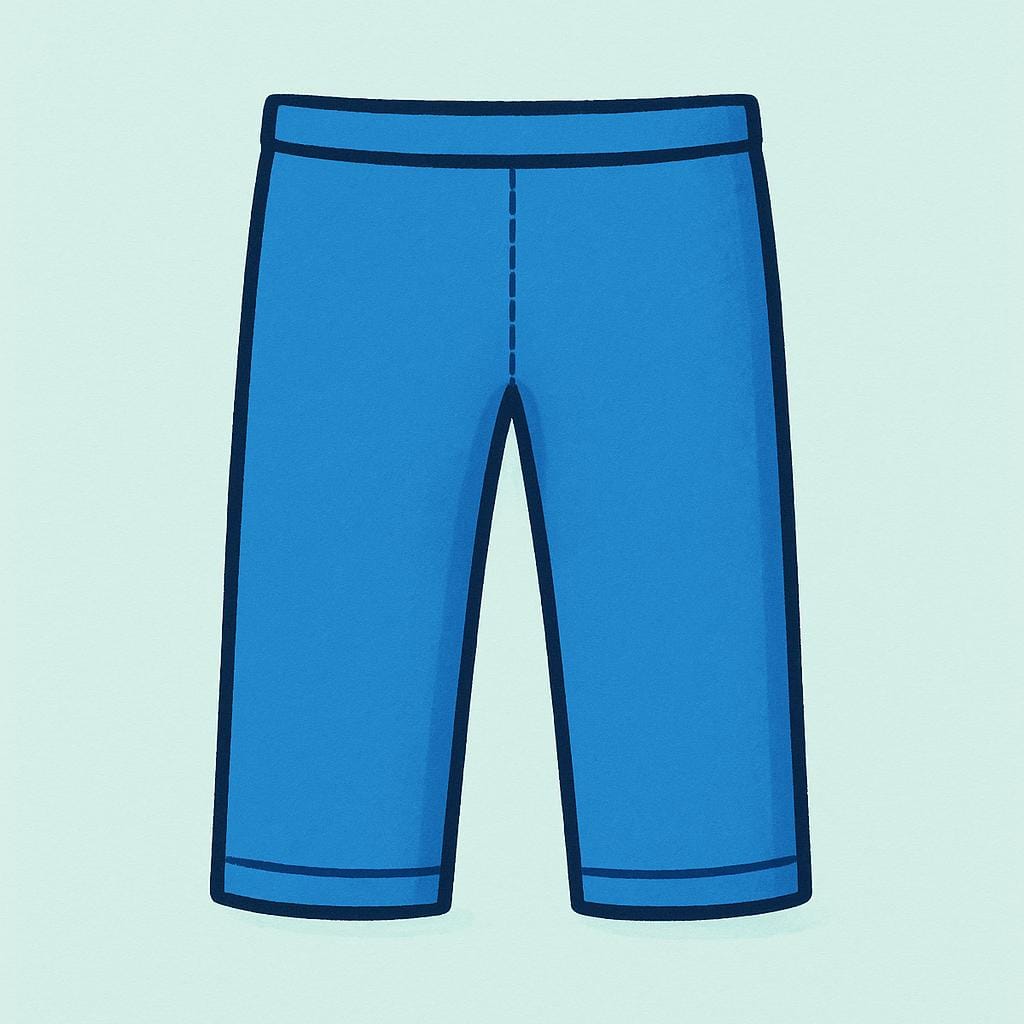
Los pantalones de tiro bajo ya no están de moda.
Low-rise pants are no longer in style.
Ella solo usa jeans de tiro alto.
She only wears high-rise jeans.
levántate
Examples
¡Levántate! Ya son las diez y el desayuno está listo.
Get up! It's already ten and breakfast is ready.
Aumento vs. Subida vs. Incremento
Learn Spanish with Inklingo
Interactive stories, personalized learning, and more.