How to Say "slope" in Spanish
The most common Spanish word for “slope” is “pendiente” — use 'pendiente' for a general incline or gradient, often implying a challenging upward or downward path.


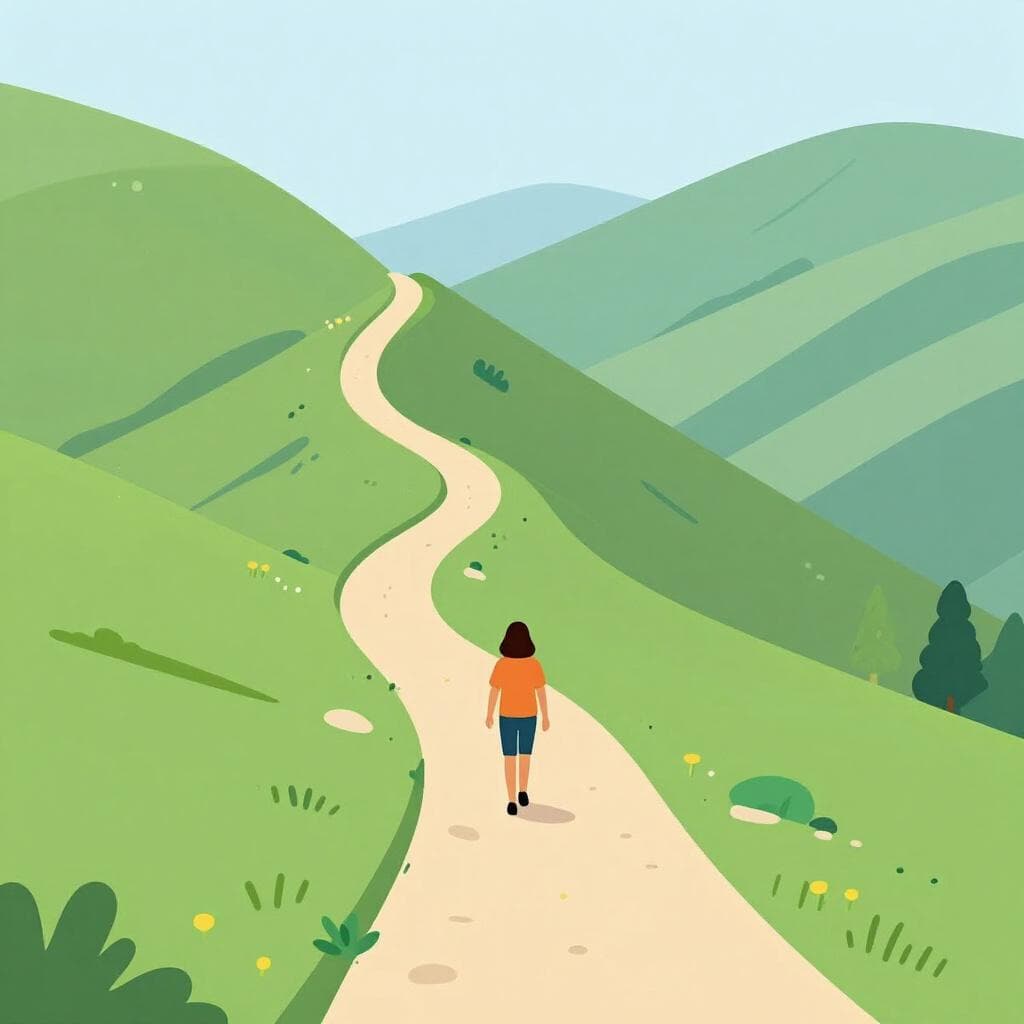





pendiente
pen-DYEN-tehpenˈdjen.te

Examples
Tuvimos que subir una pendiente muy pronunciada.
We had to climb a very steep slope.
La casa está construida en la pendiente de la colina.
The house is built on the hillside.
Gender Distinction
When 'pendiente' refers to a slope or incline, it is always feminine: 'la pendiente'. This is different from the masculine noun 'el pendiente' (earring).
cuesta
KWEH-stahˈkwesta

Examples
Hay una cuesta muy empinada después del río.
There is a very steep slope after the river.
Mi casa está en la cima de la cuesta.
My house is at the top of the hill.
Tuvimos que empujar el coche en la cuesta.
We had to push the car up the incline.
Gender and Articles
'Cuesta' is always feminine, so you must use 'la cuesta' or 'una cuesta'. Pay attention to the definite article.
Mixing up the Noun and Verb
Mistake: “Using the noun 'cuesta' where the verb form is needed, like 'La cuesta ir al gimnasio.'”
Correction: Use the verb form 'cuesta': 'Me cuesta ir al gimnasio.' (It is difficult for me to go to the gym.)
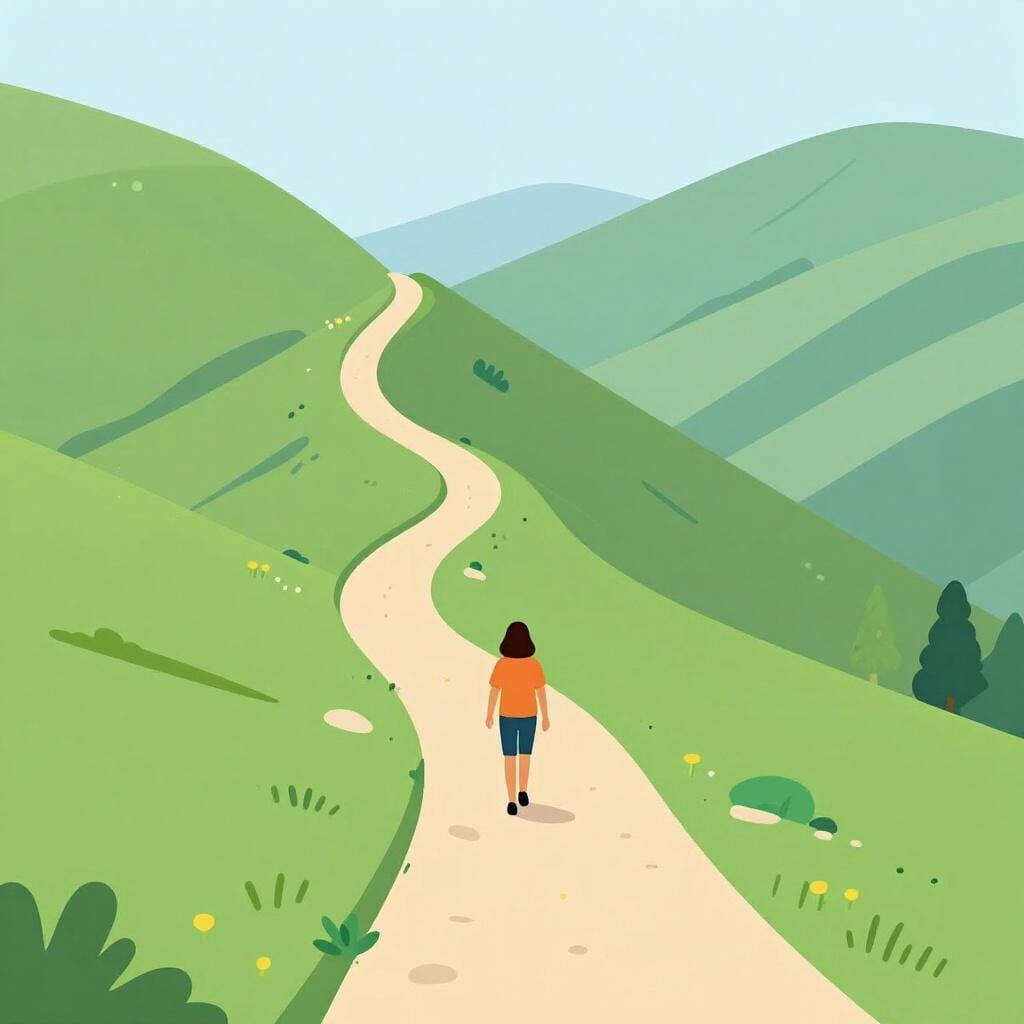
bajada
ba-HA-dahbaˈxaða
Examples
La bajada de la montaña fue más difícil que la subida.
The descent from the mountain was harder than the climb up.
Ten cuidado con esa bajada, es muy empinada.
Be careful with that slope; it is very steep.
Tardamos veinte minutos en la bajada hasta el río.
We took twenty minutes on the way down to the river.
Nouns from Verbs
'Bajada' is the noun version of the verb 'bajar' (to go down). Many Spanish nouns end in '-ada' to describe the action or result of a verb.
Using 'de'
To say what you are going down, use 'de': 'la bajada de la colina' (the descent of/from the hill).
Don't confuse with 'bajo'
Mistake: “La montaña tiene un bajo muy largo.”
Correction: La montaña tiene una bajada muy larga. 'Bajo' means 'low' (adjective), while 'bajada' is the noun for the physical path down.
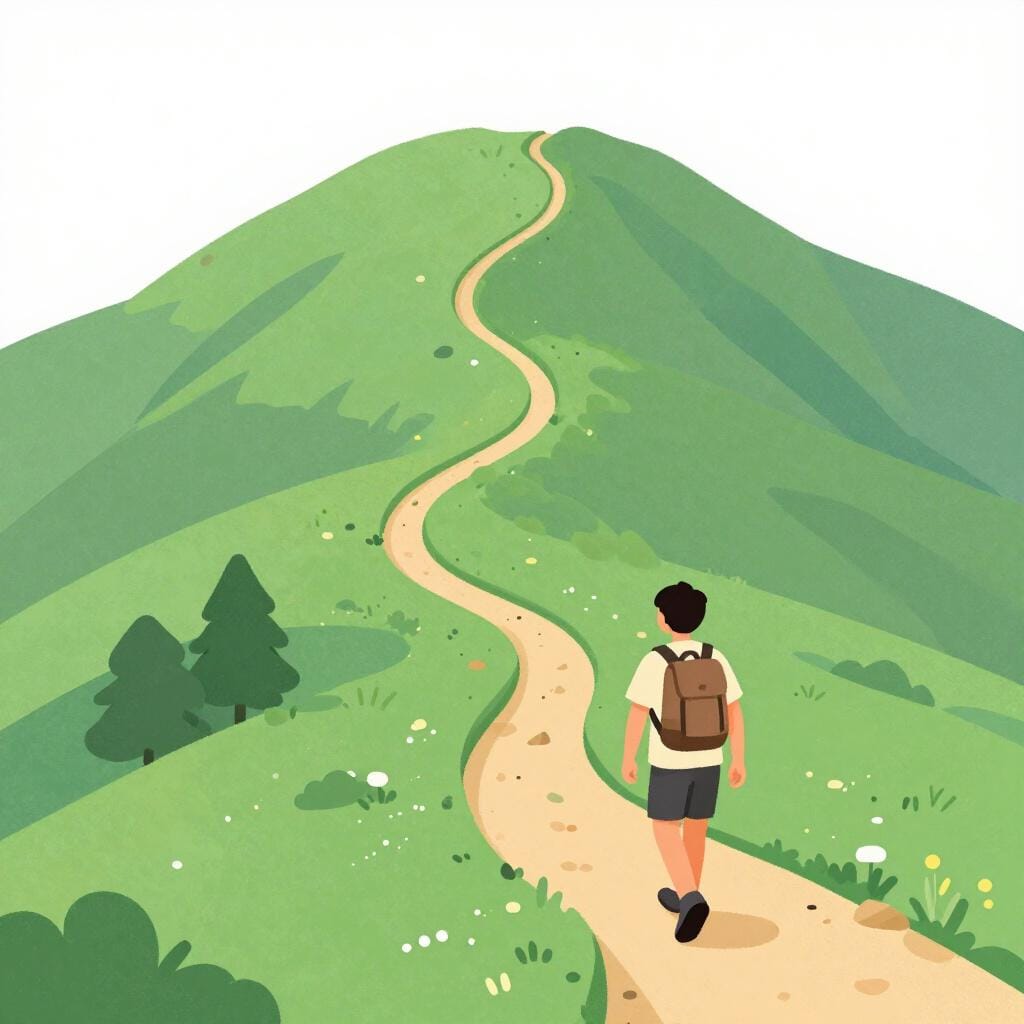
subida
soo-BEE-dahsuˈβiða
Examples
La subida a la montaña fue muy agotadora.
The climb up the mountain was very exhausting.
Hay una subida fuerte justo después del puente.
There is a steep slope right after the bridge.
Prefiero bajar que hacer toda esa subida a pie.
I prefer going down than doing that whole climb on foot.
Nouns from Verbs
This word is a noun made from the verb 'subir' (to go up). Adding '-ida' to a verb is a common way to name the action itself.
Choosing the right word for 'Up'
Mistake: “Voy a la subida.”
Correction: Voy hacia arriba.
ladera
lah-deh-rahlaˈðeɾa

Examples
Las ovejas pastan en la ladera de la colina.
The sheep graze on the hillside.
Nuestra casa está construida en una ladera muy empinada.
Our house is built on a very steep slope.
Bajamos con cuidado por la ladera norte de la montaña.
We carefully went down the north mountainside.
Always Feminine
The word 'ladera' is a feminine noun, so you should always use feminine words with it, like 'la ladera' or 'una ladera'.
Describing the slope
To describe how tilted the hill is, use adjectives like 'empinada' (steep) or 'suave' (gentle) right after the word.
Ladera vs. Pendiente
Mistake: “Using 'ladera' for the steepness of a road.”
Correction: Use 'ladera' for the side of a mountain itself; use 'pendiente' when you want to talk about how steep a path or road feels.
falda
FAHL-dahˈfalda

Examples
El pueblo se encuentra en la falda de la montaña, justo donde empieza la vegetación.
The town is located on the slope of the mountain, right where the vegetation begins.
Caminamos por la falda de la colina para evitar el pico.
We walked along the flank of the hill to avoid the peak.
Metaphorical Use
This meaning uses the idea of a skirt surrounding the body, applying it to the base of a mountain or hill, which 'surrounds' the peak.
inclinación
Examples
La calle tiene una inclinación muy fuerte.
The street has a very steep slope.
rampa
RAHM-pahˈrampa

Examples
Hay una rampa al lado de las escaleras para las sillas de ruedas.
There is a ramp next to the stairs for wheelchairs.
El coche tiene dificultades para subir la rampa del garaje.
The car has trouble going up the garage ramp.
Los skaters practican saltos en la rampa del parque.
The skaters practice jumps on the park ramp.
Gender and Articles
Since this word ends in 'a', it is feminine. Always use 'la' or 'una' with it.
Using it with actions
When talking about using a ramp, we usually use the words 'subir' (to go up) or 'bajar' (to go down).
Avoiding 'el rampa'
Mistake: “El rampa es empinado.”
Correction: La rampa es empinada. Remember that nouns ending in 'a' are almost always feminine.
vertiente
ber-tee-EN-tehbeɾˈtjente

Examples
Las cabras subieron por la vertiente norte de la montaña.
The goats climbed up the northern slope of the mountain.
Esta vertiente del río es muy fértil gracias a las lluvias.
This watershed of the river is very fertile thanks to the rains.
El pueblo está situado en una vertiente muy pronunciada.
The village is located on a very steep slope.
Always Feminine
Even though it ends in '-e', this word is always feminine. Always use 'la vertiente' or 'una vertiente'.
Connecting to 'Flow'
Think of it as the place where water 'pours' down; it comes from the same root as the verb 'verter' (to pour).
Confusing Gender
Mistake: “el vertiente”
Correction: la vertiente. Many nouns ending in -e are masculine, but this one is feminine.
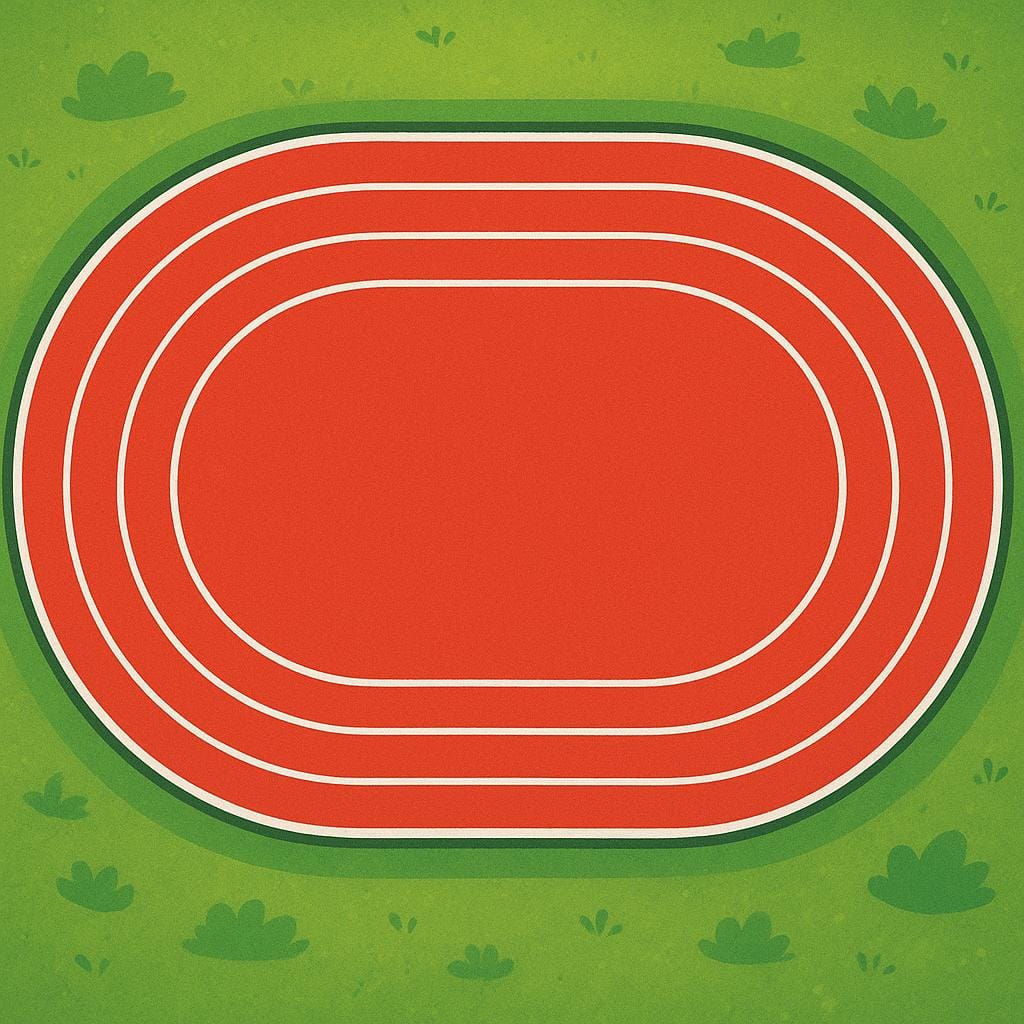
pista
PEES-tahˈpis.ta
Examples
Los coches de carreras van muy rápido en la pista.
The race cars go very fast on the track.
Tenemos reservada la pista de tenis a las cinco.
We have the tennis court reserved at five.
Me encanta patinar en la pista de hielo en invierno.
I love skating at the ice rink in winter.
General Incline vs. Specific Location
Learn Spanish with Inklingo
Interactive stories, personalized learning, and more.