How to Say "mount" in Spanish
The most common Spanish word for “mount” is “caballería” — use this word when referring to horses or other animals used for riding, especially in a military or historical context.


caballería
Examples
La caballería llegó justo a tiempo para ganar la batalla.
The cavalry arrived just in time to win the battle.
montaña
Examples
Me encanta hacer senderismo en la montaña durante el verano.
I love hiking in the mountain during the summer.
monte
món-teˈmonte
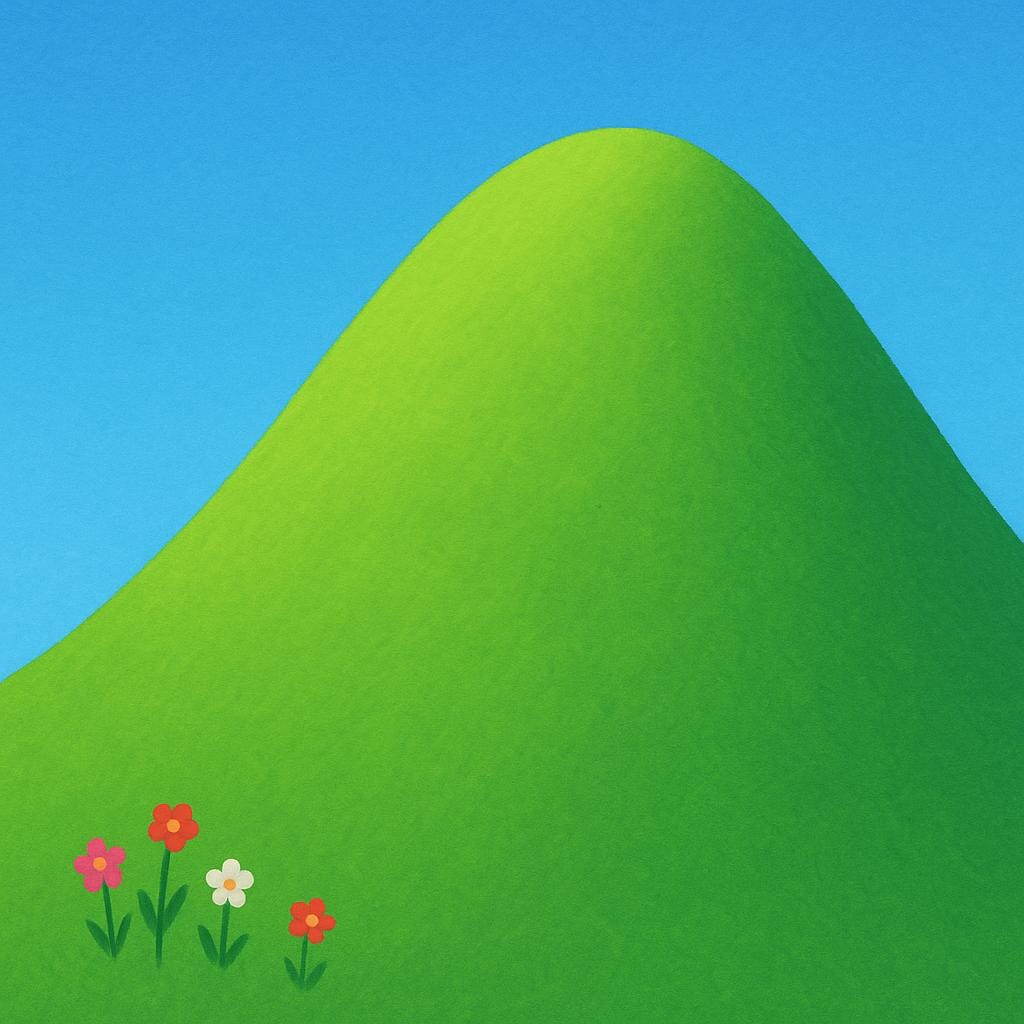
Examples
El Monte Fuji es un volcán muy famoso en Japón.
Mount Fuji is a very famous volcano in Japan.
Subimos a la cima del monte para ver el amanecer.
We climbed to the top of the mount/hill to see the sunrise.
Formal Names
When referring to famous geographical features, 'monte' is often used as the equivalent of 'Mount' in English, like 'Monte Everest'.
marco
MAHR-kohˈmaɾko

Examples
Necesito un marco de madera para esta pintura.
I need a wooden frame for this painting.
El marco de la ventana está roto.
The window frame is broken.
Ponte el marco de las gafas antes de leer.
Put on the frames of your glasses before reading.
Gender Rule
Remember that 'marco' is masculine, so you always use 'el marco' or 'un marco'.
Confusing 'monte' and 'montaña'
Learn Spanish with Inklingo
Interactive stories, personalized learning, and more.